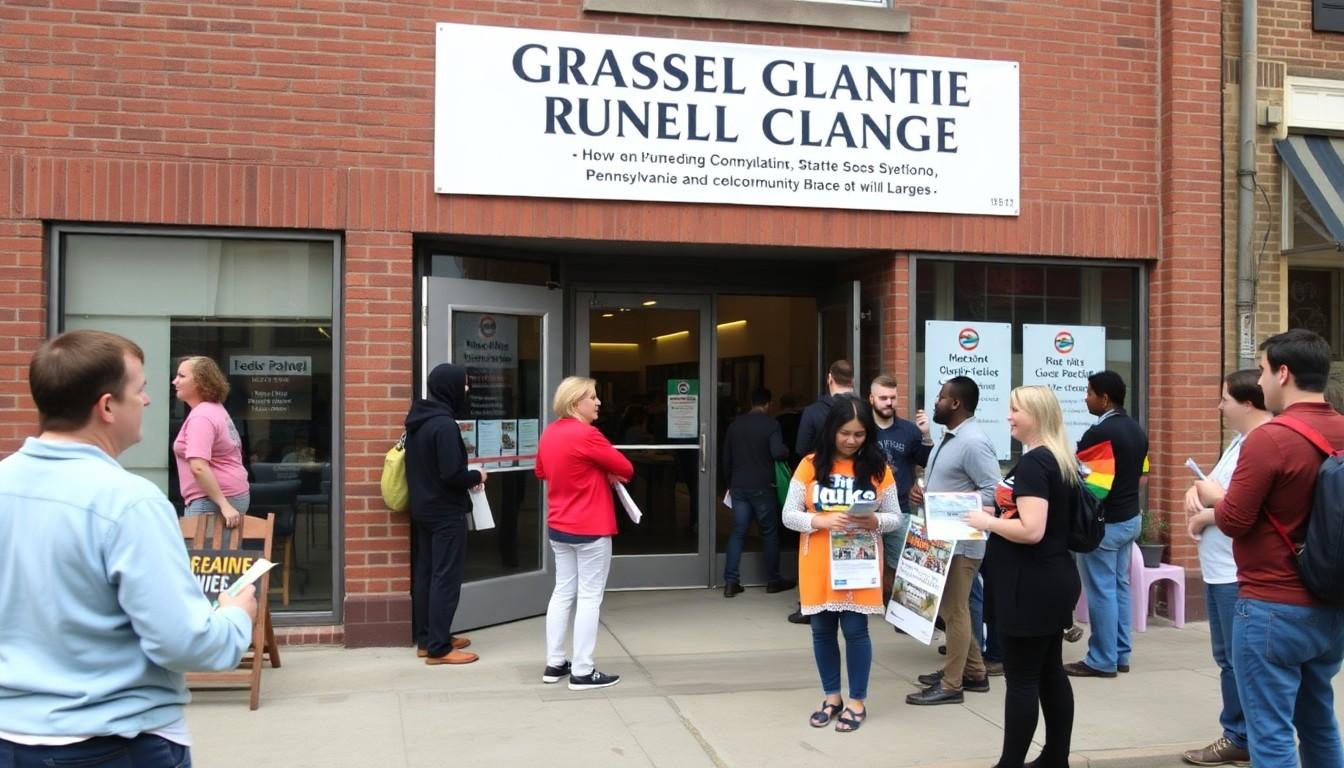
Voters and allies across Pennsylvania are being urged to turn concern into practical action, from canvassing and fundraising to helping neighbours reach the polls. With anti-LGBTQ+ legislation, harassment and political targeting continuing to shape public debate, organised local involvement matters far beyond Election Day.
Essential Takeaways
- Voting is only the starting point: Community organisers say conversations, volunteering and voter support can influence close races.
- Pennsylvania remains a key battleground: State reporting has documented hate incidents and extremist activity affecting communities across the Commonwealth.
- Young people need particular care: Political hostility and bullying can have serious consequences for LGBTQ+ children and teenagers.
- Small actions add up: Phone banking, checking registration and offering a lift can remove practical barriers to voting.
- Visibility matters: LGBTQ+ candidates and allies help keep queer lives and rights part of the political conversation.
The ballot matters, but organisation matters too
A polling card is powerful, but it can't knock on a neighbour's door or reassure someone who's unsure how to vote. That is why LGBTQ+ organisers in Pennsylvania are encouraging people to think beyond casting their own ballot and get involved in the wider campaign.
The urgency is understandable. Axios reported in 2024 that anti-LGBTQ+ bills had risen sharply across the United States over the previous decade, creating a political environment in which healthcare, education and everyday safety are repeatedly debated. For many queer voters, the issue feels less like abstract policy and more like a question of whether public life will remain welcoming.
That makes local action feel especially important. A friendly message, a clear explanation of voting deadlines or a lift to the polling station may not look dramatic, but democracy is often built from exactly these quiet interactions.
Pennsylvania's political climate is becoming harder to ignore
The Commonwealth has not been insulated from the wider rise in anti-LGBTQ+ rhetoric. Pennsylvania's Human Relations Commission reported on hate and bias incidents in its 2024 "No Hate in Our State" report, while the Anti-Defamation League has highlighted significant extremist activity in the state.
Those findings add weight to concerns about the atmosphere surrounding elections and public debate. When hostile messaging moves from fringe spaces into political campaigns, schools and social media, it can leave LGBTQ+ residents feeling watched, worn down and less safe.
There is also a grim reminder of how dangerous dehumanising rhetoric can become. LGBTQ+ Nation reported on a 2024 case involving a killer whose anti-LGBTQ+ ranting formed part of a wider violent incident. One case doesn't explain an entire movement, but it underlines why threats, conspiracy theories and casual demonisation shouldn't be brushed aside as mere online noise.
Young people are being pulled into the culture war
Transgender and non-binary young people have become a frequent target in political advertising and legislative campaigns, despite representing a small share of the population. Axios reported in 2026 that Democratic candidates were wrestling with how to address transgender sports issues in election advertising, a sign of how prominently the subject continues to feature in campaign strategy.
For families, the political argument can feel painfully remote from daily life. A teenager navigating school, friendships and identity doesn't experience these debates as campaign messaging; they experience them as pressure, scrutiny and sometimes bullying.
Axios has also reported on the harm political bullying can cause LGBTQ+ young people in Pennsylvania. That is why voters and allies should look beyond slogans and examine what candidates propose for schools, healthcare, safeguarding and youth services. A calmer question can help: will this policy make a young person's life safer and more manageable, or simply make them a convenient talking point?
What practical organising actually looks like
The most useful work is often straightforward. Volunteers can canvass in person, make calls or send texts, then direct people to official campaign and election resources. Those who'd rather stay behind the scenes can help with data entry, fundraising, transport coordination or voter-protection efforts.
It also helps to make voting support specific. Check whether friends and relatives are registered, remind them about deadlines, and offer practical assistance to older, disabled or homebound voters. If someone is voting by post, encourage them to read the official instructions carefully rather than relying on a hurried social-media summary.
Donations can be just as targeted. Support might go to a candidate, a legal organisation or a grassroots group working on LGBTQ+ rights, depending on what matters most to you. The sensible rule is to check the organisation's record, understand where the money goes and give only what you can comfortably afford.
Local voices can change the conversation
Pennsylvania's LGBTQ+ political presence is broader than any single campaign. Candidates and allies across the Pittsburgh region and surrounding counties are helping make queer people visible not only as voters, but as community leaders, parents, advocates and public servants.
That visibility matters because representation can shift what gets discussed and who is treated as part of the political mainstream. It doesn't remove disagreement, and it shouldn't replace scrutiny of a candidate's record, but it can make public life feel less like a room in which LGBTQ+ people are merely being discussed.
The wider outlook remains unsettled. With extremist activity, hostile legislation and youth bullying still part of the national and state conversation, waiting for the next election to become urgent is a risky strategy. Sometimes the most meaningful contribution is also the least glamorous: send the message, make the call, check the deadline and bring someone with you.
It's a small effort that can help turn concern into collective power.
Source Reference Map
Story idea inspired by: [1]
Sources by paragraph:
- Paragraph 1: [5], [7]
- Paragraph 2: [2], [5]
- Paragraph 3: [4], [6]
- Paragraph 4: [3]
- Paragraph 5: [2], [7]
- Paragraph 6: [4], [6]
- Paragraph 7: [5], [7]
- Paragraph 8: [2], [7]
- Paragraph 9: [4], [6]
- Paragraph 10: [5], [7]
- Paragraph 11: [2], [4]
- Paragraph 12: [5], [6]
- Paragraph 13: [4], [6]
- Paragraph 14: [2], [7]