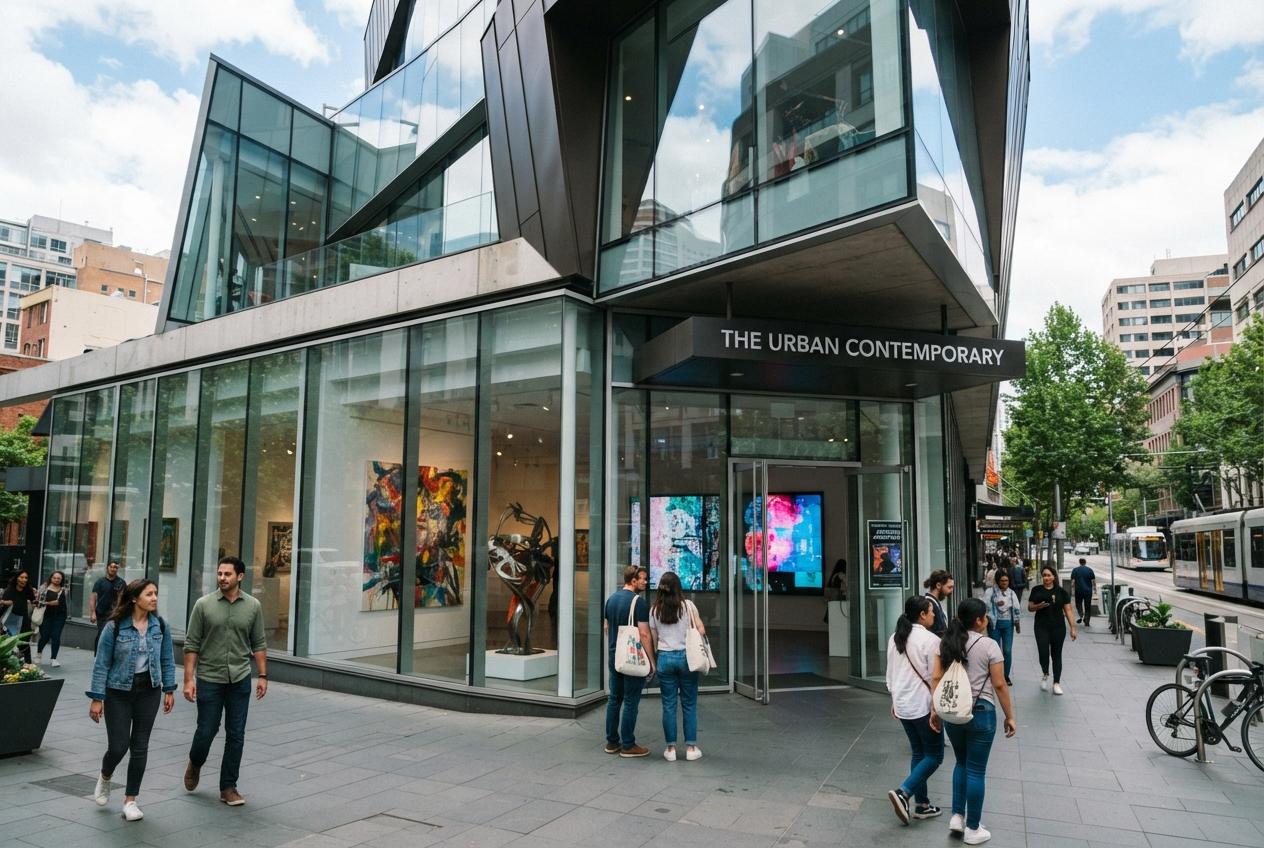
GLAAD is spotlighting a new generation of visual creators in its 2026 Equity in Media and Entertainment Initiative cohort, bringing painters, photographers, sculptors and digital storytellers into a wider conversation about representation, visibility and the future of American art.
Essential Takeaways
- A new focus: The third EMEI cohort centres on visual artists rather than traditional screen-based entertainment.
- Broad creative range: Participants include painters, photographers, sculptors, mixed-media artists and digital storytellers.
- Representation matters: The initiative highlights creators from communities often overlooked in mainstream art history.
- A growing programme: GLAAD launched EMEI in 2022 with support from Gilead Sciences.
- More than a showcase: The cohort reflects a broader push to make queer visual culture harder to ignore.
Visual artists take centre stage
The strongest message from GLAAD's 2026 EMEI cohort is that representation doesn't stop at the cinema or television screen. This year, the organisation is turning its attention to artists working with paint, photography, sculpture, collage and digital media, giving visual culture its own prominent platform.
That shift feels timely. Galleries, museums and online spaces are increasingly asking whose stories have been preserved, whose images have circulated and whose work has been left out. Thegrio reported that the new cohort places particular emphasis on Black queer visual artists, adding sharper focus to a conversation that has often been too broad.
From a media initiative to a wider cultural lens
GLAAD launched the Equity in Media and Entertainment Initiative in 2022 with backing from Gilead Sciences. Since then, the programme has developed as a way to support creators and encourage more equitable storytelling across entertainment and culture, according to GLAAD.
The third year expands that mission rather than abandoning it. As LGBTQ News reported in its profile of artist Jah Beverly, the cohort reflects a varied creative community whose work can move between personal identity, public history and contemporary visual language. That mix is one of the programme's strengths: it isn't tied to a single style or medium.
Why this cohort feels different
Visual artists can tell stories without waiting for a studio, broadcaster or streaming platform to approve the script. A photograph can hold a private memory, while a sculpture can make absence feel almost physical. Digital work, meanwhile, travels quickly and can reach audiences well beyond a gallery wall.
GLAAD described the artists as creators who are helping shape the future of visual culture. The organisation's broader work on LGBTQ representation and research provides the context for that claim, particularly as public debates continue over visibility, inclusion and who gets to define cultural history.
What audiences can expect from visual storytelling
For viewers and collectors, the appeal lies in the variety. Someone drawn to vivid painting may find a different emotional entry point through documentary photography, while digital storytelling can offer an immediate, screen-native way to explore identity and community.
The programme also encourages audiences to look beyond familiar names. Thegrio's coverage suggests that the cohort is not simply a list of emerging talents, but part of a wider effort to recognise artists whose contributions have too often been overlooked. That makes the initiative feel less like a seasonal publicity moment and more like an attempt to widen the record.
A cultural conversation with room to grow
The response to GLAAD's visual-arts programming, including attention around the Nemesis: Remember art exhibition in New York, shows how these projects can create momentum beyond the initial announcement. True Hollywood Talk noted the importance of presenting queer art in visible public settings, where it can be encountered by both dedicated arts audiences and curious newcomers.
There is still plenty of work ahead. One cohort cannot rewrite art history on its own, but it can make the missing chapters easier to see. For many viewers, that may be the most valuable result: not just discovering new artists, but recognising how much richer the cultural picture becomes when more people are allowed to shape it.
A broader art history starts with making overlooked voices impossible to miss.
Source Reference Map
Story idea inspired by: [1]
Sources by paragraph: