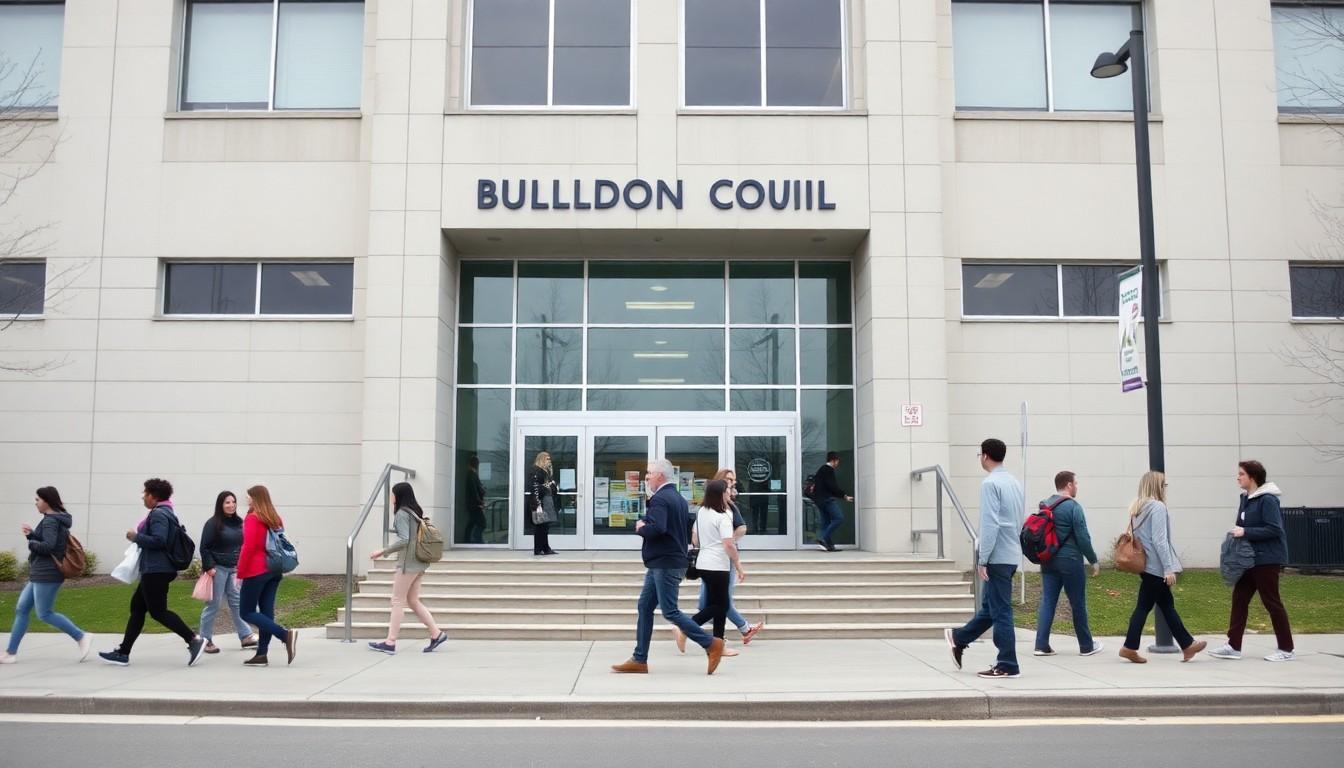
Readers are being asked to recognise familiar patterns in campus safety, LGBTQ+ rights and political history, rather than dismiss each crisis as an isolated event. The question is urgent: when marginalised people warn that one rollback may lead to another, will wider society listen before the damage spreads?
Essential Takeaways
- Patterns matter: Prophecy is presented as the ability to recognise where repeated behaviour may lead.
- Campus safety remains urgent: Cornell surveys and reporting have highlighted serious concerns about sexual assault and harassment.
- Protections can shift: The US Department of Education has rescinded some Title IX resolution agreements, prompting concern among LGBTQ+ advocates.
- Solidarity is practical: Attacks on one part of a marginalised community can create wider vulnerability.
- Change requires action: Listening is only the beginning; justice depends on what people do next.
The warning signs were already there
The most unsettling part of a crisis is often the sense that it didn't arrive without notice. Long before a headline lands, people closest to the danger may have been describing the same warning signs in quieter, less convenient language.
That tension sits at the heart of the latest debate over campus safety and civil rights. Reporting by The Independent and Good Morning America has drawn attention to allegations and survey findings involving sexual assault at Cornell, while the university's own research has documented harassment and misconduct concerns. The details are disturbing, but the broader lesson is familiar: institutions shouldn't wait for outrage before taking warning signs seriously.
For students, this isn't an abstract policy argument. It's the difference between feeling able to report harm and wondering whether anyone will believe them. A campus can look bright and busy on the surface while still feeling unsafe to the people navigating it every day.
Prophets aren't fortune tellers
The biblical prophets are often imagined as people with supernatural access to the future. A more useful reading is that they were sharp observers of the present, able to connect behaviour with consequences before everyone else was ready to do so.
That interpretation makes prophecy feel surprisingly modern. A prophet notices who is being ignored, which rules are being weakened and whose suffering is being explained away. Then they say, plainly, that the current path is likely to end badly.
It's an uncomfortable role because pattern recognition can sound like pessimism, especially when the warning challenges a comfortable majority. Yet hindsight tends to make yesterday's alarm look obvious. The hard part is listening while the outcome can still be changed.
Why Title IX changes have caused alarm
The US Department of Education has announced the rescinding of certain Title IX resolution agreements, describing them as unlawful. The announcement reflects a wider policy shift, but critics argue that changes to enforcement can affect how students understand their rights and where they turn when something goes wrong.
Separate reporting from True Queer has focused on the removal of LGBTQ+ protections under Title IX, particularly for students who fear discrimination linked to sexual orientation or gender identity. The debate is legal and political, but its consequences are intensely personal. A student dealing with bullying or harassment shouldn't have to become an expert in federal policy before asking for help.
This is also why solidarity matters. Trans, non-binary, lesbian, gay and bisexual people may face different forms of discrimination, but a culture that makes one group easier to target rarely stops neatly at that boundary. Treating each rollback as someone else's problem can leave everyone with fewer safeguards later.
Campus surveys reveal the cost of looking away
Cornell's published survey work shows why institutional response matters beyond individual cases. University research has examined sexual assault, harassment and students' experiences of misconduct, adding evidence to what advocates have been saying for years: prevention and accountability need to be ongoing, not occasional reactions to scandal.
Good Morning America reported that a significant proportion of undergraduate women surveyed at Cornell said they had experienced sexual assault. The figure is painful to read, but numbers like these can help reveal the scale of a problem that otherwise remains hidden behind silence, shame and under-reporting.
For students and families comparing universities, the useful questions are practical. Does the institution publish clear reporting routes? Are confidential support services easy to find? Does it explain how investigations work, and does it share evidence that policies are being evaluated? A glossy prospectus can't answer those questions on its own.
Listening is the first act of solidarity
Modern prophets aren't necessarily religious leaders. They may be historians, survivors, researchers, activists or communities that have watched the same pattern unfold repeatedly. Their authority often comes not from prediction, but from experience.
The original commentary argues that warnings from Black communities, Indigenous people and LGBTQ+ people are routinely treated as overreactions until events prove them right. That cycle is exhausting, and it places an unfair burden on people already living with the consequences. They shouldn't have to keep persuading everyone else that their safety matters.
The hopeful point is that patterns aren't destiny. Policies can be strengthened, institutions can be challenged and communities can choose solidarity over respectability. It may not feel dramatic in the moment, but listening early is often the most practical form of prevention.
What should readers do next?
Start by checking the source rather than sharing a dramatic claim without context. Read the relevant university reporting, examine official policy announcements and compare them with the testimony of affected communities. Good journalism and lived experience answer different questions, and both matter.
Then make the response concrete. Support campus services, challenge discriminatory language, learn how reporting systems work and pay attention when vulnerable groups describe a developing threat. You don't need to have every answer before acting, but you do need to resist the temptation to wait until harm becomes undeniable.
A warning is an invitation to change direction. Ignoring it is a choice, too.
Recognising the pattern is difficult, but breaking it starts with listening.
Source Reference Map
Story idea inspired by: [1]
Sources by paragraph:
- Paragraph 1: [2], [4]
- Paragraph 2: [5], [3]
- Paragraph 3: [6], [7]
- Paragraph 4: [4], [6]
- Paragraph 5: [2], [5]
- Paragraph 6: [3], [5]
- Paragraph 7: [6], [7]
- Paragraph 8: [4], [6]
- Paragraph 9: [2], [3]
- Paragraph 10: [5], [7]
- Paragraph 11: [3], [6]
- Paragraph 12: [2], [4]
- Paragraph 13: [5], [7]
- Paragraph 14: [3], [6]
- Paragraph 15: [2], [5]
- Paragraph 16: [4], [7]