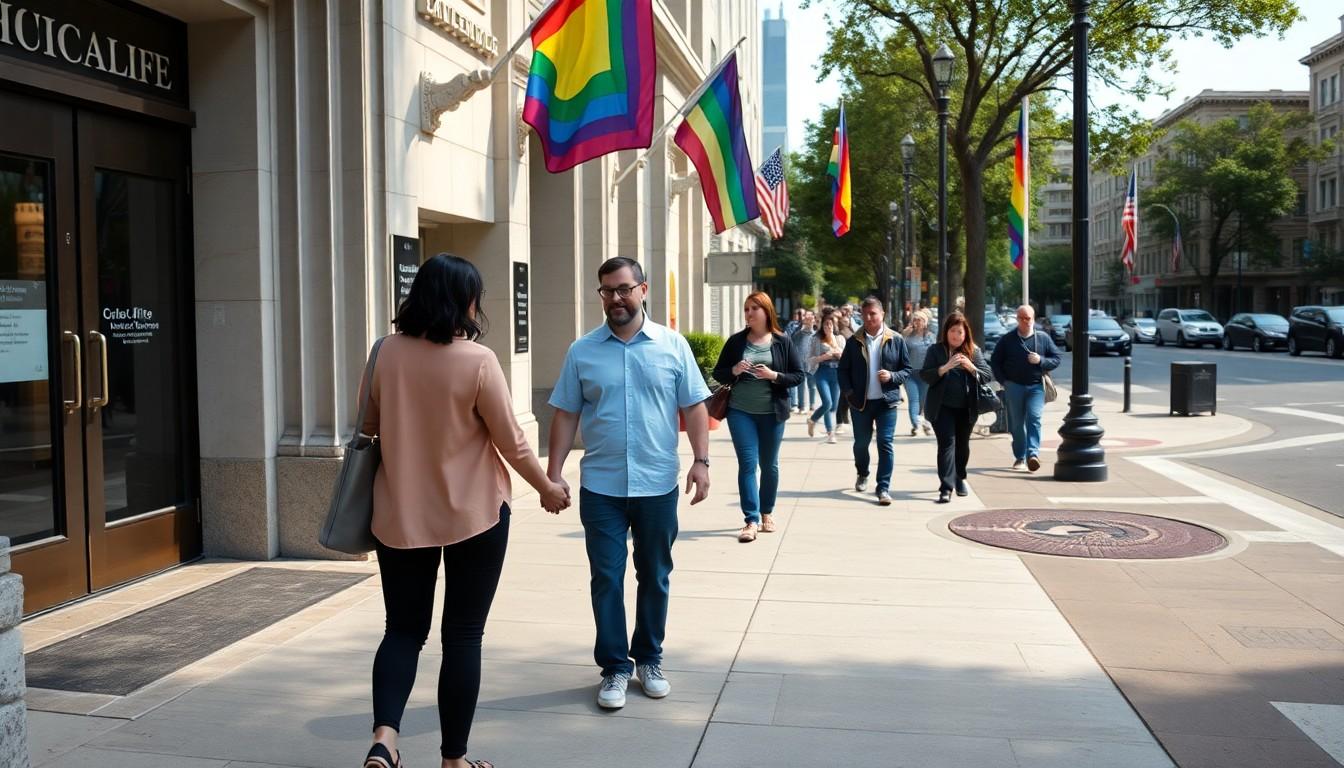
San Francisco has officially recognised National PrEP Day, giving HIV prevention a fresh public spotlight ahead of 10 October. The unanimous decision by the Board of Supervisors links the city’s long history of HIV activism with a modern push to make PrEP easier to discuss, understand and access, particularly across LGBTQ+ communities.
Essential Takeaways
- Official recognition: San Francisco’s Board of Supervisors unanimously approved the resolution.
- Annual date: National PrEP Day takes place on 10 October, the day before National Coming Out Day.
- Local connection: The campaign was created by Mistr, which has a Castro location.
- Public-health focus: The day aims to counter myths and make HIV prevention conversations feel more ordinary.
- Practical message: People are encouraged to seek reliable advice from clinics and qualified healthcare professionals.
San Francisco puts PrEP firmly on the public agenda
There was a quietly significant moment at San Francisco City Hall this autumn, as supervisors formally recognised National PrEP Day for the first time. The unanimous vote gives a public-health message a civic seal of approval: HIV prevention deserves to be discussed openly, without embarrassment or guesswork. The city’s official legislative record confirms the resolution’s adoption. [3]
The timing matters, too. National PrEP Day falls on 10 October, just before National Coming Out Day, creating a natural link between sexual health, identity and community visibility. It’s a small shift in the calendar, but one that could help make prevention feel less clinical and more like part of everyday wellbeing. [4]
Why this date has particular resonance
PrEP, short for pre-exposure prophylaxis, is medication used by HIV-negative people to reduce their risk of acquiring HIV. It’s become an important part of prevention, but awareness and access can still vary widely, especially when people encounter outdated assumptions or worry about being judged. [3]
San Francisco is an especially meaningful place for this conversation. Its LGBTQ+ communities and public-health organisations have played a central role in the wider response to HIV and AIDS, so the city’s recognition carries more emotional weight than a routine proclamation. The decision also places prevention alongside the city’s continuing work on community services and support. [5]
A campaign designed to make prevention feel normal
National PrEP Day was launched by Mistr, a queer-owned sexual-health platform, and is held every year on 10 October. The organisation’s San Francisco presence in the Castro gives the campaign a direct local connection, rather than making it feel like a distant national initiative. [2]
Mistr founder and chief executive Tristan Schukraft said the day was created to celebrate sexual health and remove stigma from conversations about PrEP. That framing is important. People are generally more likely to ask questions, consider testing or seek medical advice when the subject feels familiar rather than loaded with fear. [2]
What people can do on National PrEP Day
The most useful role for the awareness day is practical education. Mistr’s campaign encourages people to learn about PrEP, share accurate information with friends and family, and challenge common misunderstandings. That could mean checking an official health resource, speaking with a clinic or simply asking a healthcare professional what options are appropriate. [2]
Online discussion can help, but it needs a careful touch. Social-media posts should avoid presenting personal experiences as universal medical advice, while content creators can help by explaining terminology in plain English and pointing audiences towards reputable services. For anyone considering PrEP, a qualified clinician can discuss suitability, monitoring and the available treatment choices. [4]
What happens next for HIV prevention?
A formal recognition won’t solve every barrier to prevention, but it can help keep the subject visible between public-health campaigns. The Board of Supervisors’ decision gives local organisations another opportunity to connect residents with trustworthy information and services. [3]
It also sends a broader message about how health campaigns work best: not as gloomy warnings, but as conversations that feel relevant, respectful and easy to join. For a city with such a deep connection to HIV activism, that feels like a fitting next step. [5]
Talk openly, check the facts and choose prevention advice that works for you.
Source Reference Map
Story idea inspired by: [1]
Sources by paragraph: