Russell T Davies says the resurgence of anti-LGBTQ+ hate helped drive his latest project, after years of progress appeared to give way to renewed hostility. His warning is both personal and political, touching on online abuse, real-world intimidation and the uneasy question of why queer rights still feel so vulnerable.
Essential Takeaways
- A new creative response: Davies says rising homophobia pushed him to write about the current moment.
- A deeply personal threat: He has described keeping a knife near his front door after someone identified his home.
- Online abuse has consequences: Davies argues that inflammatory claims can move from social media into real-world danger.
- Progress feels fragile: His comments reflect wider concerns about a decline in LGBTQ+ rights and public tolerance.
- The debate remains heated: Graham Linehan has disputed Davies’ account of remarks made about him.
The future Davies imagined never quite arrived
When Russell T Davies created Queer as Folk in 1999, the cultural direction seemed clear enough. Queer lives were becoming more visible, gay rights were advancing and the next generation might reasonably expect a less fearful world.
Instead, Davies says he’s watching old hostility return in a sharper, more organised form. Speaking about his latest project, he described the resurgence in homophobia as a force he could no longer simply observe from the sidelines.
According to Queerty, Davies said the situation became so urgent that he felt compelled to write about it. That urgency gives the project a different emotional texture from a straightforward drama commission. It sounds less like a calculated return to familiar territory and more like a writer reacting to the air around him.
There’s a bleak irony here. A story written in 1999 was supposed to help mark a changing world, not become a reference point for explaining why that change still feels unfinished.
Why online hostility feels dangerously real
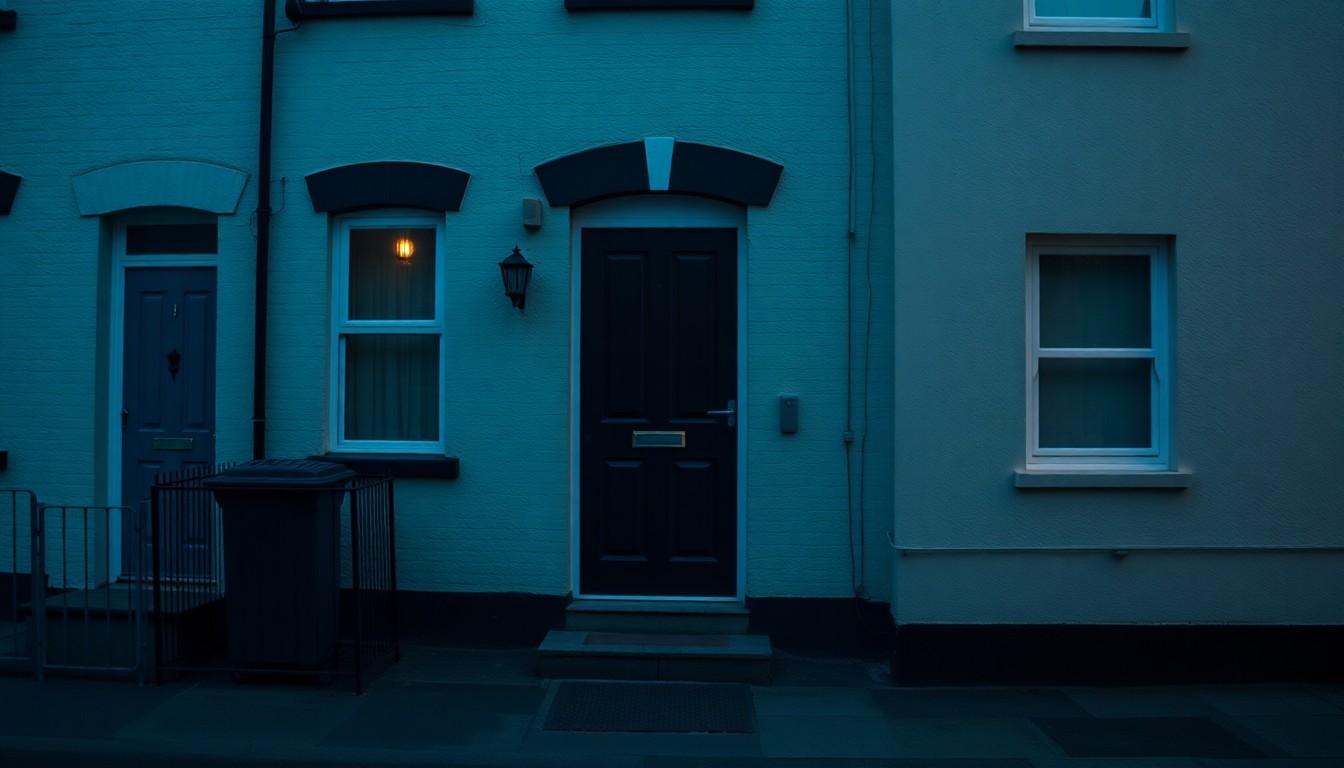
Davies’ concerns go well beyond unpleasant comments or heated political arguments. He has said someone discovered his address and appeared at his home, prompting him to keep a knife close to the front door.
The detail is stark because it turns an online culture war into something tactile: a locked door, a late-night sound, a sudden sense that privacy has disappeared. PinkNews reported on Davies’ comments, which underline how quickly personal safety can become part of public debate for prominent LGBTQ+ figures.
He has also spoken about being labelled a “groomer” and a “paedophile” because of his support for trans rights. Those accusations are not harmless exaggerations, he argues. They create a deliberately distorted picture of a person, one that can make intimidation seem acceptable to someone already primed to believe it.
That’s the frightening bit. Digital abuse can feel weightless on a screen, but the person receiving it still has a home, a family and a front door.
Davies says social media rewards the loudest anger
The writer’s wider criticism is aimed at the systems that allow inflammatory claims to spread quickly and repeatedly. In his view, social platforms don’t merely host public anger; their algorithms can help select, amplify and monetise it.
The Guardian has previously reported Davies’ concerns about the direction of LGBTQ+ rights and the political forces contributing to a harsher climate. His latest comments extend that argument into the digital economy, where outrage often travels faster than context and certainty is rewarded over care.
This helps explain why familiar disputes now feel so relentless. A disagreement about gender, sexuality or representation can quickly become a campaign against an individual, with every new post supplying another spark.
It’s a grim business model. The more furious everyone becomes, the more visible the argument is, and the more difficult it becomes for anyone to step away.
Graham Linehan rejects Davies’ version of events
Graham Linehan has disputed Davies’ description of comments made about him. As reported by the source material, Linehan denied calling Davies both a paedophile and a groomer, while defending his use of the latter term in relation to Davies’ support for trans issues.
The exchange shows how far the argument has moved from ordinary criticism. The language is personal, absolute and loaded with implications about someone’s character and intentions.
That doesn’t mean public figures should be beyond challenge. They shouldn’t. But there’s an important difference between questioning a person’s views and attaching accusations that can invite harassment or create genuine safety risks.
The ongoing dispute also reflects a broader fracture within queer public life, where arguments over representation and trans rights have become increasingly bitter. The volume is high, the nuance is often missing and, unfortunately, everyone’s social media feed gets a front-row seat.
From Queer as Folk to an unfinished fight
Davies’ career has long been tied to stories about queer identity, intimacy and belonging. The Guardian’s coverage of his work has highlighted both his affection for audiences and his willingness to engage with difficult cultural questions, while his earlier projects helped bring LGBTQ+ lives into homes that had rarely seen them represented so directly.
That history makes his disappointment especially pointed. After more than two decades, he expected the argument for equal rights to feel settled in far more places than it does.
Instead, he sees rights that can be challenged, visibility that can provoke hostility and progress that may be less secure than it appeared. The latest drama therefore arrives with a clear purpose: to examine a moment when the promised future has become uncertain.
For viewers who grew up believing television could help change minds, that reversal will feel personal. Representation still matters, but Davies’ warning is that it can’t be treated as the end of the work.
The story isn’t finished, and apparently neither is the argument.
It's a small comfort, but turning fear into a story can still make the conversation harder to ignore.
Source Reference Map
Story idea inspired by: [1]
Sources by paragraph: