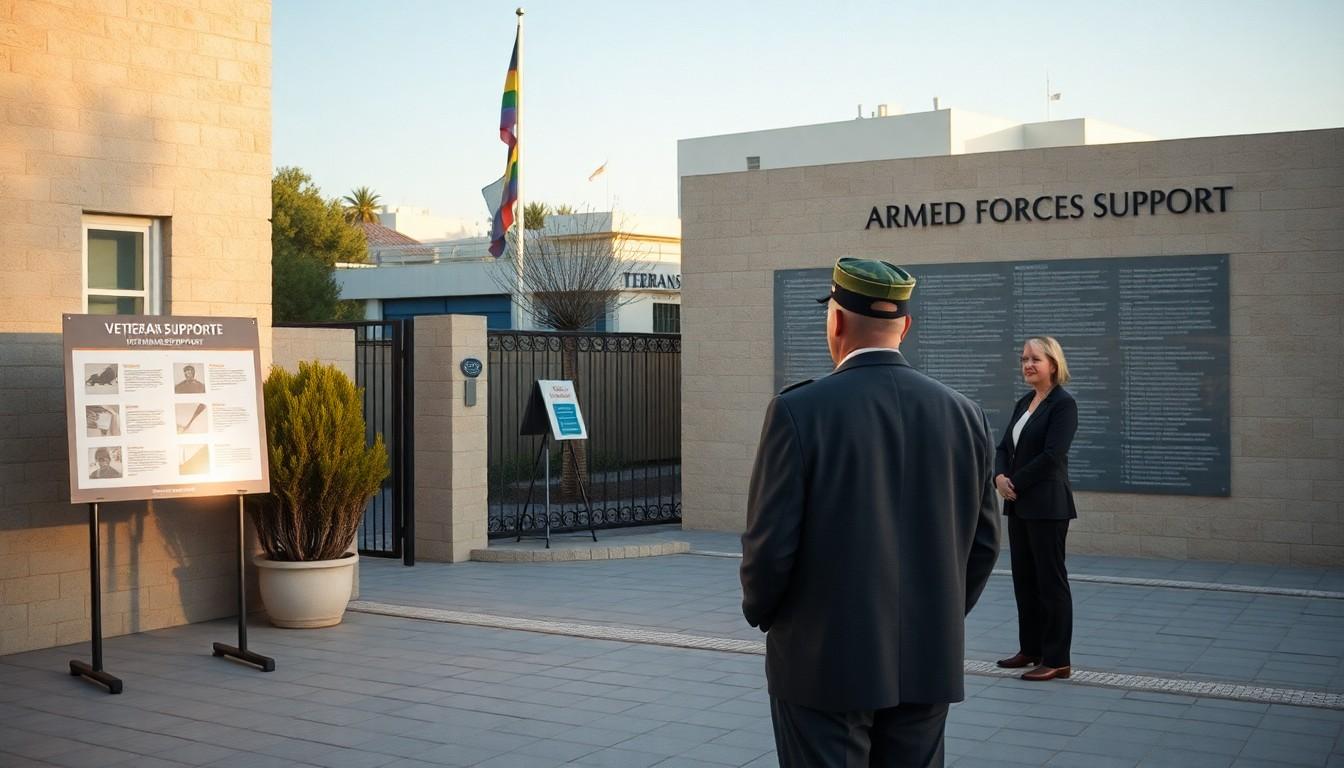
LGBTQ veterans affected by the pre-2000 Armed Forces ban can now find official guidance, restorative support and routes to share their experiences. The issue matters across Britain and overseas, including military communities in Cyprus, because historic discrimination still shapes finances, wellbeing and trust in public services.
Essential Takeaways
- Historic policy: LGBTQ personnel faced restrictions and dismissal from the UK Armed Forces before 2000.
- Support available: Government and veterans' organisations provide guidance on restorative measures and practical help.
- Personal testimony matters: Veterans can contribute to research into the ban's long-term effects.
- Confidential options: Specialist organisations can explain support without requiring someone to retell their story publicly.
- Overseas access: Veterans living abroad may still be able to seek information through UK support networks.
The ban's impact did not end in 2000
For many LGBTQ veterans, the end of the ban was a legal milestone, not an instant repair. Careers had already been interrupted, relationships strained and personal records affected. The emotional residue can be just as stubborn as the paperwork.
The government has acknowledged the need to understand and address those consequences through its LGBTQ veterans support and next-steps programme. Its guidance brings together information for people who served under the former policy, according to the UK government's official collection.
That matters for veterans living outside the UK, too. A former service member in Cyprus may be dealing with the same history from several hundred miles away, often while trying to work out which organisation can answer a very specific question.
Restorative measures offer more than an apology
The Royal British Legion has published guidance on restorative measures for LGBTQ veterans, including information about the wider process and possible avenues of support. It presents the issue as a veterans' welfare concern, rather than simply a historical footnote.
The practical message is reassuring but important: people do not need to navigate every stage alone. The Legion's specialist guidance can help veterans identify suitable support, understand available routes and consider what kind of assistance feels comfortable.
For some, recognition will be the central concern. For others, it may be help with records, compensation-related information, mental health or reconnecting with a community that once excluded them. There is no single version of repair.
Where veterans can turn for confidential help
The Royal British Legion also offers LGBTQ armed forces support and guidance. That can be a useful first stop for anyone unsure whether their situation is covered, particularly if the issue involves service history, family circumstances or lasting distress.
The charity's LGBTQ-focused information is designed to make help easier to find. It is worth contacting an adviser before gathering a mountain of documents, because the right team can explain what evidence may be relevant and what happens next.
If the subject feels difficult to discuss, start with a short written enquiry. A simple outline of when and where someone served, plus the kind of help they want, may be enough to open the conversation.
Sharing experiences can shape the record
The Independent Review into the impact of the pre-2000 ban has invited attention to veterans' experiences and the longer-term consequences of the policy. Its official website explains the review's purpose and provides background for people considering whether to engage.
That invitation is significant because administrative files rarely capture the full human cost. A lost career opportunity, forced silence or fear of discovery may never appear neatly in a personnel record, yet those experiences can remain vivid decades later.
Dame Kelly Holmes has also encouraged veterans to share how the ban affected them, ITV News reported. Personal accounts can help decision-makers understand patterns that statistics miss, although nobody should feel pressured to disclose more than they wish.
A clearer route through support is still needed
Stonewall's work on LGBTQ veterans highlights the continuing policy importance of recognition, fairness and access to support. Its campaigning context helps place the pre-2000 ban within a broader discussion about how institutions treat LGBTQ people who have served.
The next step is making information feel usable rather than merely available. A long government webpage may be authoritative, but a veteran often needs a plain answer to a human question: who do I contact, what can I ask for and will I be believed?
That is why trusted charities and veterans' networks matter, especially for people overseas. The best support feels practical, respectful and quiet enough to let veterans remain in control of their own story.
It's never too late to find the right support route and have a service experience properly recognised.
Source Reference Map
Story idea inspired by: [1]
Sources by paragraph: