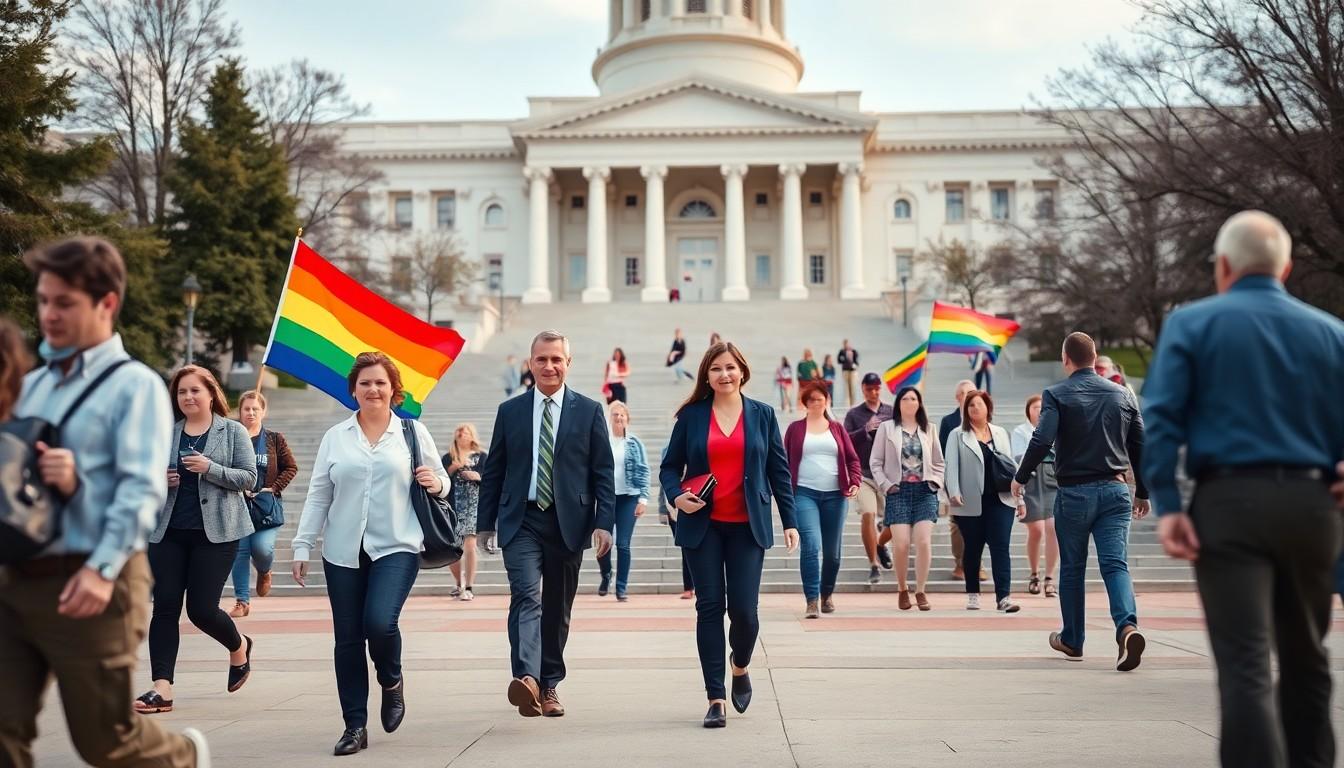
Voters across Pennsylvania are being urged to look beyond the headline race and down the ballot, where State Senate contests could shape LGBTQ+ protections. With long-delayed discrimination legislation still facing political obstacles, the 2026 election could make local turnout matter far beyond election night.
Essential Takeaways
- The key battleground: Pennsylvania’s State Senate could determine whether LGBTQ+ protections advance.
- A long-running campaign: Advocates have pushed for explicit protections covering sexual orientation and gender identity for decades.
- The practical stakes: State lawmakers influence discrimination law, education policy and protections for transgender residents.
- The turnout warning: Poll predictions don’t replace individual votes, particularly in less-publicised races.
The blue wave only matters if people vote
A sense of inevitability can be politically dangerous. When voters hear that one party is comfortably ahead, some may feel their ballot is no longer urgently needed. That’s how a promising forecast can turn into a very different result.
The broader lesson is simple: polls measure a moment, while elections measure turnout. As the original commentary argues, the real work continues from the presidential contest all the way down to state legislative races. That’s especially important for LGBTQ+ voters and allies, because many of the decisions affecting daily life are made closer to home.
Pennsylvania’s civil-rights debate has deep roots
Pennsylvania has spent decades debating whether its nondiscrimination rules should clearly include sexual orientation and gender identity. The state has marked more than half a century of advocacy around LGBTQ+ protections, yet campaigners are still pressing for a comprehensive change in law, according to Pennsylvania government material.
That delay gives an otherwise technical legislative question real emotional weight. For people who have spent years lobbying, organising and waiting, a bill isn’t merely another item on the agenda. It can represent whether a state formally recognises the right to work, rent a home and access services without discrimination.
Why State Senate races could decide what happens next
The Pennsylvania House has advanced legislation designed to broaden LGBTQ+ nondiscrimination protections, as reported by City & State Pennsylvania and CBS News Philadelphia. But progress in one chamber doesn’t guarantee a final law. The Senate’s political balance remains crucial, particularly when a bill’s path depends on whether its supporters can secure enough votes for it to move forward.
That makes smaller contests surprisingly consequential. A State Senate race may not attract national coverage, glossy adverts or much dinner-table conversation, but its winner could help determine whether civil-rights legislation reaches the governor. In politics, the quietest ballot line can sometimes carry the loudest consequences.
Candidates offer sharply different signals
The governor’s race also gives voters a useful guide to the wider policy divide. Reporting from StateCollege.com and Spotlight PA has examined where Josh Shapiro and his Republican challenger, Stacy Garrity, stand on LGBTQ+ rights, including questions around transgender equality and fairness protections.
Shapiro has publicly supported the Fairness Act, while the debate around Republican policy positions has kept LGBTQ+ rights firmly in the campaign conversation, according to Pennsylvania government statements and local reporting. For voters, the important point is to compare both executive leadership and legislative candidates, rather than treating the governor’s contest as the whole story.
How to make your ballot count
Start by checking which races appear below the national contests. Research the candidates’ records, endorsements and stated positions, then look for practical information about registration, polling locations and voting deadlines through official election channels.
It’s also worth resisting the temptation to vote only when a race feels close. If LGBTQ+ protections, school policy or access to services matter to you, state and local candidates deserve the same attention as the names dominating television coverage. A vote cast in a low-profile contest can be just as decisive as one in a headline race.
The most useful habit is to keep reading down the ballot. A blue wave is a metaphor; representation is built by people turning up.
It's a small voting habit that can shape a very large civil-rights outcome.
Source Reference Map
Story idea inspired by: [1]
Sources by paragraph: