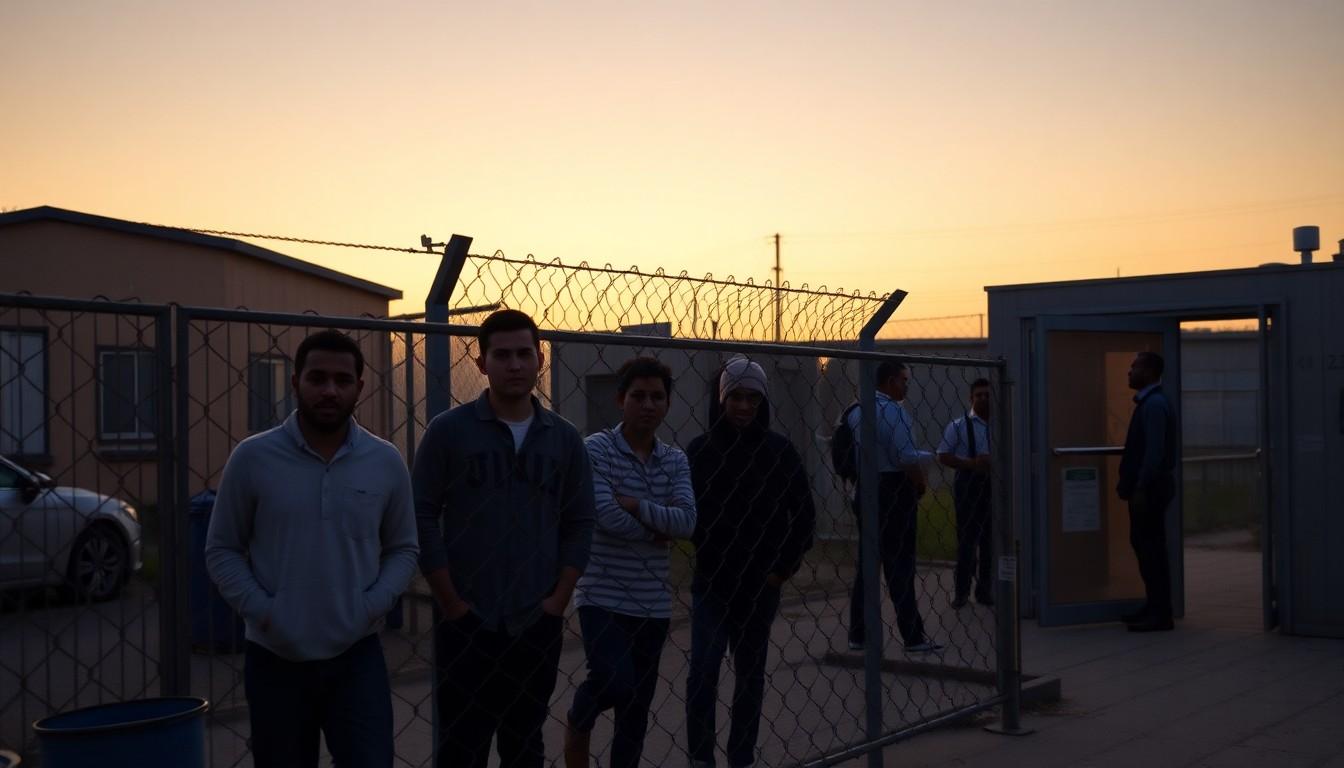
LGBT migrants who won protection from persecution in the United States are being sent to countries where same-sex relationships may be criminalised or violently targeted, raising urgent questions about due process and the limits of deportation powers.
Essential Takeaways
- Dozens affected: Reuters documented 40 LGBT migrants removed to third countries in Africa.
- Dangerous destinations: Some were sent to countries that criminalise same-sex relationships or have recorded anti-LGBT abuses.
- Protection gap: Legal protection from return to a person’s home country hasn't always prevented removal elsewhere.
- Families separated: Several migrants were later forced back to their original countries or went into hiding.
- Court battle continues: The US Supreme Court has allowed the policy to continue while it considers the wider legal challenge.
A legal safeguard that didn't mean safety
For Abdou Latifou, an immigration judge’s ruling should have marked a new beginning. The judge agreed that returning him to Togo would put him at risk after he was attacked for his sexuality. Instead, he was flown to Sierra Leone, a country where colonial-era laws can impose life imprisonment for gay men, according to Reuters.
Latifou described the decision as the moment he believed he could finally live openly. That hope lasted until he was placed on a deportation flight. After two weeks under police supervision in a hotel, he was sent back towards Togo and eventually crossed into Benin before settling in Ivory Coast.
His story captures the central concern raised by lawyers and advocates: protection from one specific country can become dangerously narrow if officials remain free to choose another destination with similar risks.
Why third-country removals have expanded
Third-country deportations were unusual before Donald Trump’s second term. Since the administration began its broader immigration crackdown, more than 40,000 people have reportedly been sent to countries other than their own, including about 900 to African states, according to preliminary government figures cited by Reuters and The Washington Post.
The policy relies on agreements with foreign governments, including countries with limited resources and their own serious human rights challenges. Supporters argue that third-country removals are an important public-safety and enforcement tool, while critics say they can turn vulnerable people into diplomatic cargo.
The Supreme Court has allowed the deportations to continue for now after putting a lower-court ruling on hold. Axios and The Washington Post reported that the legal fight centres on whether people must be given a meaningful chance to explain why a proposed destination would also endanger them.
LGBT migrants face a particularly sharp risk
The 40 cases reviewed by Reuters involved removals to Sierra Leone, Cameroon and Eswatini, all countries where the reporting identified significant legal or practical dangers for LGBT people. Other destinations, including the Central African Republic, Equatorial Guinea and the Democratic Republic of Congo, have been associated with abuses such as sexual violence and coercive “conversion” practices.
That creates a grim contradiction. The United States has granted asylum and related protections to LGBT people from several of these countries because of the persecution they faced there. Yet people with similar histories have later been transported to places where the same risks may reappear in a different form.
Bridget Crawford of Immigration Equality told Reuters that the pattern undermines the logic of LGBT asylum protection. In plain terms, recognising that someone is unsafe at home isn't much comfort if the alternative is another country where they must hide, sleep rough or fear arrest.
Hiding, detention and forced returns
The consequences have been stark. Reuters found that some deportees remained detained, while others were repatriated against their wishes, disappeared into hiding or lost contact with relatives and lawyers.
One Ghanaian woman sent to Cameroon spent months there before moving to Nigeria, where she said she rarely left the house because she feared being recognised. A Ghanaian man returned after removal to Sierra Leone reportedly hid in forests near Togo, sleeping on the floor and relying on money from his mother.
Another man from Mauritania, who had lived in America for more than a decade, described detention in Eswatini as mosquito-ridden and lacking hot water. He was later returned to Mauritania and crossed into Senegal, where penalties for same-sex relations have recently become harsher, according to Reuters.
These accounts make the policy feel less like a tidy administrative process and more like a chain of precarious moves. Each border crossing brings fresh uncertainty, and each temporary refuge can become another place where a person must conceal who they are.
What happens next?
The Supreme Court is expected to hear arguments on the wider third-country deportation dispute. AP and Axios reported that the case could determine how much warning and legal process migrants receive before being sent somewhere they haven't previously lived.
For LGBT migrants, that question is especially important. A fair system would need to consider not only nationality, but also sexuality, gender identity, language, family networks, detention conditions and the real likelihood of violence or persecution.
The debate is likely to continue well beyond the courtroom. Immigration enforcement may be measured in flight numbers and government agreements, but the human impact is found in quieter places: a hidden room, an abandoned building or a friend’s sofa where someone is trying to stay invisible.
A deportation policy can't be called safe if it simply moves danger across a border.
Source Reference Map
Story idea inspired by: [1]
Sources by paragraph: