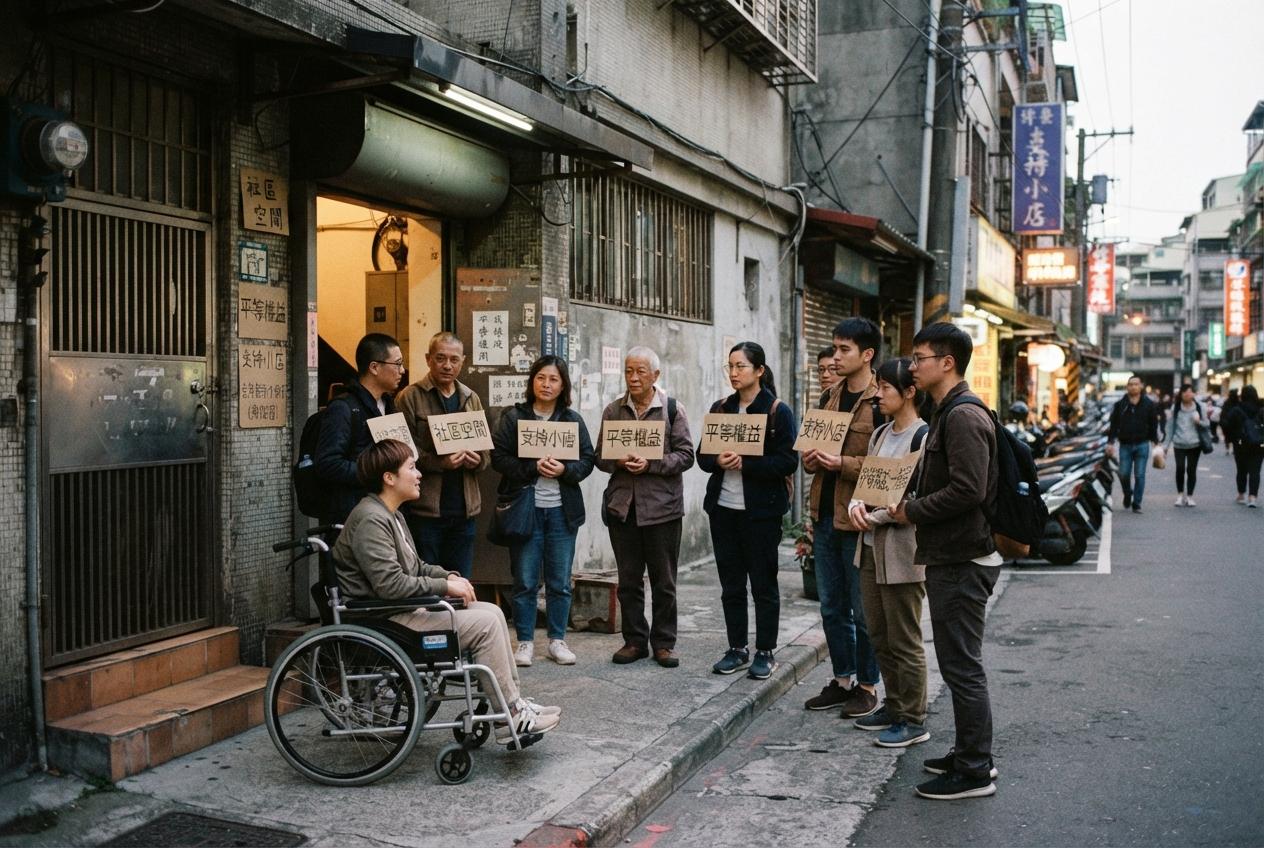
Around 100 people have protested in Taipei after police raided Commander D, a gay bar in Wanhua, raising fresh questions about police conduct, public-decency laws and the city’s LGBTQ+ reputation. The incident matters in Taiwan, where marriage equality and one of Asia’s biggest Pride celebrations have made inclusion a point of national pride.
Essential Takeaways
- The raid: Police questioned 51 people and arrested the bar owner after a complaint linked to public-decency rules.
- The protest: About 100 LGBTQ+ community members and supporters gathered in Taipei the following day.
- The allegations: Protesters criticised officers’ behaviour, including an alleged exchange involving a wheelchair user.
- The political response: Mayor Chiang Wan-an expressed regret and reaffirmed Taipei’s commitment to equal rights.
- The wider context: Taiwan legalised same-sex marriage in 2019 and remains a regional LGBTQ+ rights leader.
A police raid quickly became a public reckoning
The confrontation began at Commander D, a gay bar in Taipei’s Wanhua district, where officers arrived after a complaint alleging a possible breach of Article 83 of Taiwan’s Social Order Maintenance Act. The law restricts public nudity and lascivious behaviour in public or publicly accessible places, creating room for debate over how it should be applied in nightlife venues. Taiwan Plus reported that the raid led to 51 people being taken in for questioning, while the bar’s owner was arrested. [2]
For those inside, the experience was anything but routine. One detainee, identified by the family name Wen, told Reuters that officers had entered violently and described the incident as frightening. That account helped turn a disputed enforcement action into a broader conversation about dignity, safety and whether LGBTQ+ venues are being treated fairly. [3]
Protesters say the alleged conduct crossed a line
The next day, roughly 100 members of Taipei’s LGBTQ+ community and their supporters took to the streets. Protesters were not only challenging the raid itself but also allegations about officers’ conduct during it, according to coverage from Taiwan Plus. [4]
One video reportedly showed an officer asking a wheelchair user in a toilet how disabled people manage to have sex there. The allegation has intensified anger because it combines concerns about police power with disability discrimination and sexual humiliation. Taipei Times reported that protesters questioned whether a city that presents itself as progressive can tolerate such behaviour. [5]
Why Taiwan’s reputation makes this story particularly sensitive
Taiwan has long been viewed as one of Asia’s most LGBTQ+-friendly societies. Same-sex marriage became legal in 2019, making Taiwan the first jurisdiction in Asia to introduce marriage equality, while Taipei’s annual Pride event draws large crowds from across the region. [6]
That progress raises expectations. A city can celebrate colourful floats, packed streets and international visitors during Pride, but inclusion has to extend into quieter, less glamorous moments too, including encounters with police and the interpretation of public-order laws. As one political critic argued on Facebook, Taipei’s diversity should not appear only on parade day. [5]
The mayor has moved to reassure the community
Mayor Chiang Wan-an said he regretted the incident and described Taipei as diverse, inclusive and friendly. He also said the city government must protect equal rights for everyone, a response aimed at calming public concern while questions about the raid remain. [2]
The statement matters politically as well as symbolically. Taipei is preparing for another major Pride season, and any suggestion that LGBTQ+ residents feel unsafe in their own venues risks undermining the city’s carefully built international image. Taipei Times reported that calls for accountability have placed pressure on officials to explain what happened and how similar incidents will be handled. [6]
What happens next could matter beyond one bar
The immediate issue is whether the allegations about police behaviour are investigated transparently and whether the public-decency provision was applied appropriately. Clear findings would help distinguish legitimate enforcement from an overreach that left people feeling targeted, particularly in a venue serving a marginalised community. [3]
For LGBTQ+ residents, the promise of equal rights is measured in ordinary experiences: entering a bar without fear, being treated respectfully during questioning and knowing that complaints will be taken seriously. Taipei’s reputation was built through landmark legal change, but trust is maintained one encounter at a time. [7]
It's a small bar raid with a much bigger question attached: what does inclusion look like when the cameras are gone?
Source Reference Map
Story idea inspired by: [1]
Sources by paragraph: