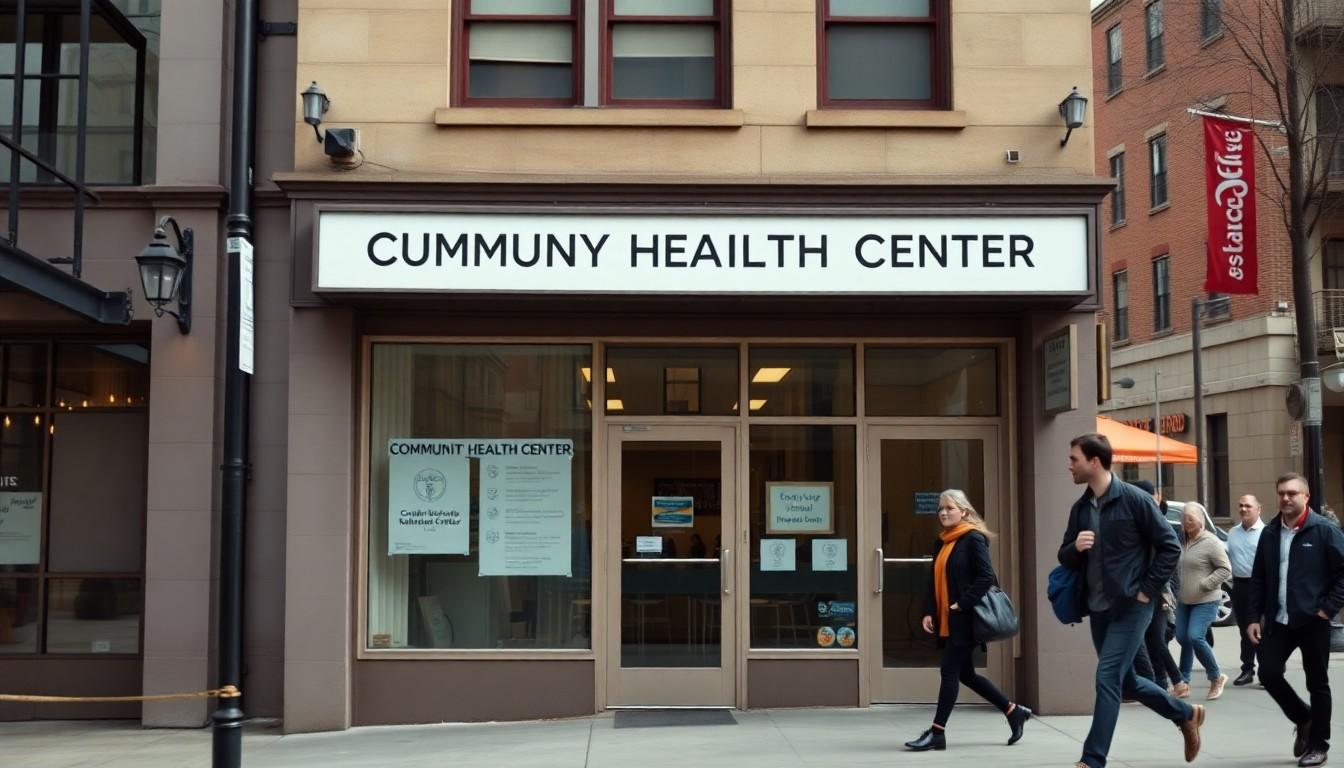
New York City is preparing to invest $8.9 million in nonprofit gender-affirming healthcare for transgender young people, as major hospital groups scale back services after federal agreements. The proposed three-year programme could help keep puberty blockers and hormone treatment available through community providers, while intensifying an already fierce national debate.
Essential Takeaways
- Nearly $9m proposed: The city’s plan would fund services for transgender patients under 18 over three years.
- Community providers matter: Callen-Lorde and NOPI are named in the proposal, with other eligible organisations potentially able to apply.
- Hospital access has narrowed: NYU Langone and Mount Sinai have reached agreements with the US Department of Justice affecting care for minors.
- Treatment remains regulated: Care would require qualified New York-licensed clinicians, parental consent where required, and compliance with applicable standards.
- The legal fight continues: Patient privacy, federal funding and access to treatment are all being contested in court.
New York is putting local money behind trans youth healthcare
The proposed funding is designed to keep gender-affirming care within reach for transgender minors in New York City. Under the plan, providers could offer or coordinate services including puberty blockers and hormone replacement therapy where clinically appropriate.
That matters because access is no longer simply a question of whether a hospital has specialist staff. It increasingly depends on funding, legal exposure and whether large healthcare systems believe federal scrutiny could put wider operations at risk.
The city expects contracts to begin on 1 February 2027 and run for three years, with a possible further three-year renewal. That gives the proposal a longer runway than a short-term emergency grant, although it still needs to progress through the contracting process. According to Wise Voter, the initiative is being framed as a structured municipal response to a fast-changing healthcare landscape. [5]
Why community clinics are suddenly so important
Callen-Lorde Community Health Center is one of the organisations identified for the programme. Its LGBTQ-focused mission makes it a natural fit, particularly as the clinic has continued treating transgender young people while some larger providers have changed course.
The second named organisation, the Nonprofit Organization for Philanthropic Initiatives, or NOPI, offers a different kind of support. Its role includes fiscal sponsorship and administrative infrastructure, which can help charitable healthcare projects operate without building every back-office function from scratch.
That distinction is easy to miss, but it could prove crucial. A specialist clinic brings direct medical expertise, while an infrastructure partner can help programmes manage funding, compliance and operations. In practical terms, it’s the difference between having clinicians ready to work and having a system capable of supporting them.
Major hospitals have taken a more cautious route
The city’s proposal follows agreements involving NYU Langone and Mount Sinai. NYU Langone agreed to stop providing certain gender-affirming medical interventions to minors as part of a settlement with the Justice Department, alongside an $8.5 million payment. NYU denied the allegations, and the agreement didn’t amount to an admission of liability.
Mount Sinai reached a similar agreement affecting covered treatment for minors. Reports from CBS News New York and NY1 described the changes as part of a broader clash between federal authorities and healthcare providers over how treatment is delivered and funded. [3] [6]
The result is a striking split in the market. Large hospital systems, with extensive federal relationships and significant financial exposure, may be more cautious. Smaller nonprofit providers, meanwhile, can sometimes focus more narrowly on local law and community need.
That doesn’t make the smaller model effortless. Specialist care still requires trained staff, secure records, safeguarding procedures and sustainable funding. But it does explain why city officials are looking beyond traditional hospital networks.
What could the funding cover?
The proposal would support care for patients younger than 18, subject to New York requirements. Treatment would need to be delivered by qualified providers and follow rules around clinical standards and parental consent.
For families, the most important benefit may be continuity. Gender-affirming healthcare can involve assessments, prescriptions, monitoring and follow-up appointments rather than a single visit. When one provider stops offering a service, transferring care can feel like trying to rebuild a medical history while time-sensitive decisions keep moving.
This is also why families should check the practical details before choosing a clinic. Ask whether the provider treats young people of the relevant age, which services it offers directly, how referrals work, what consent documentation is needed and whether waiting lists apply.
The wider dispute has also raised concerns about medical privacy. Courts have been asked to consider whether federal investigators can obtain identifying and healthcare information relating to transgender patients. The Guardian and other reports have covered the growing conflict between government investigations, patient confidentiality and access to care. [2]
A local policy answer to a national fight
New York City’s approach places municipal funding on one side of a widening political divide. Federal officials have argued that investigations are needed to examine possible healthcare-law and billing violations, while LGBTQ rights groups and affected families say the pressure is being used to restrict lawful treatment.
The settlements involving major providers have sharpened that argument. National Review reported the agreements as a significant federal victory, while other outlets presented them as evidence of hospitals retreating under pressure. [4] The same events can therefore look very different depending on whether the focus is enforcement, clinical access or patient rights.
Other organisations may also have an opportunity to participate in the city’s programme. The notice invites eligible vendors to submit an expression of interest, suggesting the final provider landscape could be broader than the two organisations initially highlighted.
For families, that could mean more choice and fewer sudden breaks in care. For providers, it could mean a rare source of stability in a field where policy changes can arrive faster than healthcare systems can adapt.
New York’s proposed funding is a small but significant attempt to keep the door open.
Source Reference Map
Story idea inspired by: [1]
Sources by paragraph:
- Paragraph 1: [2], [5]
- Paragraph 2: [3], [4]
- Paragraph 3: [5], [6]
- Paragraph 4: [2], [7]
- Paragraph 5: [3], [6]
- Paragraph 6: [4], [7]
- Paragraph 7: [2], [5]
- Paragraph 8: [3], [6]
- Paragraph 9: [2], [7]
- Paragraph 10: [4], [5]
- Paragraph 11: [3], [7]
- Paragraph 12: [2], [4]
- Paragraph 13: [5], [6]
- Paragraph 14: [3], [7]