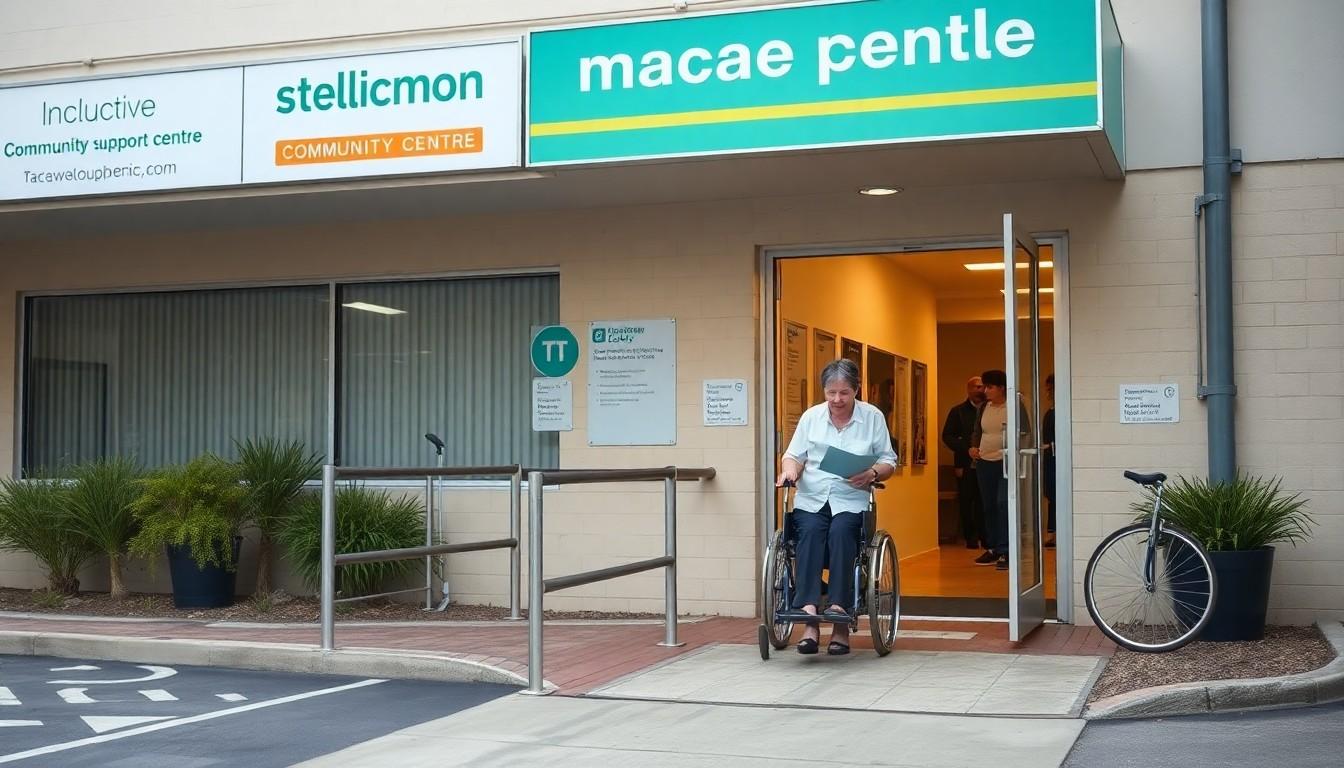
Carers Queensland is using Brisbane Pride to spotlight LGBTQIA+ carers and people with disability, while pointing families towards practical support. The message is simple but important: caring for a partner, relative, friend or chosen family member can be meaningful and exhausting, and inclusive services can make it easier to ask for help without hiding who you are.
Essential Takeaways
- Inclusive support matters: LGBTQIA+ carers can face discrimination, isolation and difficulty finding welcoming services.
- Help is available: Carers Queensland offers information, connections and support for carers and people with disability.
- Care comes in many forms: People may support a partner, parent, child, friend or chosen family member.
- Wellbeing deserves attention: Carers often put their own needs last, despite the emotional and physical demands involved.
- Pride creates visibility: Brisbane Pride offers a chance to recognise LGBTQIA+ carers and disabled community members.
LGBTQIA+ carers deserve to feel seen
Caring can be an act of love, but it isn't always gentle or straightforward. Many Queenslanders support someone with disability, mental illness, a long-term health condition or age-related needs, often while juggling work, relationships and their own health.
For LGBTQIA+ carers, that load can come with an extra worry: will a service understand their family, relationship or identity? Guidance from Carers NSW highlights the importance of finding support that respects LGBTQIA+ carers rather than asking them to explain or defend who they are.
That sense of safety isn't a nice extra. It can determine whether someone feels comfortable making the first phone call.
Brisbane Pride puts caring on the map
Carers Queensland's involvement in Brisbane Pride brings a frequently overlooked group into the conversation. Pride is usually associated with celebration, visibility and community, but it also creates room to acknowledge the everyday work happening behind closed doors.
The organisation says its aim is to create welcoming environments for carers, people with disability and families. Its LGBTQIA+ resources also point towards information and assistance for people whose caring responsibilities may sit outside traditional family structures.
That matters because chosen family can be just as real, practical and demanding as a biological relationship. A friend supporting a loved one through illness may be a carer, even if they don't use that label themselves.
What support can look like in real life
Carers Queensland is Queensland's peak carer body and a major National Disability Insurance Scheme partner in the community. Its services include information, connections and assistance for people caring for others, along with vocational courses through its training and education programme.
The Queensland Government's carers information also reinforces a broader point: carers should be able to access guidance and support rather than trying to solve every problem alone. That could mean learning about available services, exploring training, finding community connections or simply speaking with someone who understands the pressure.
Meanwhile, Carers Link offers another pathway for carers looking for practical information and connection. The best starting point is usually the one that feels easiest, whether that's an online resource, an email or a conversation with a local support organisation.
Why identity-aware care makes a difference
Inclusive care isn't only about using the right words. It can affect whether someone feels safe sharing personal information, asking for respite or explaining the dynamics of their household.
Queensland Health's guidance on LGBTQIA+ people and palliative care shows why respectful, identity-aware support is especially important during vulnerable periods. Health needs, family relationships and end-of-life wishes can all become more complicated when services make assumptions about partners or relatives.
For carers, a useful first step is to ask prospective services how they support LGBTQIA+ people. Look for clear inclusion policies, accessible information and staff who listen without making the conversation feel like an interrogation. Your instincts are useful here: if the welcome feels cold or evasive, keep looking.
A small conversation can open the right door
No one should have to wait until caring becomes unmanageable before seeking support. Carers Queensland encourages LGBTQIA+ carers and people with disability to make contact, whether they need information, connections, training or help understanding what options may be available.
The organisation can be contacted through its LGBTQIA+ resources, Facebook page or by emailing [email protected]. It also directs people towards broader carer and disability support networks, which can be useful when one service doesn't cover every need.
There is something quietly powerful about being recognised as a carer, particularly when your family doesn't fit an old-fashioned template. Sometimes the first step is simply hearing that your contribution counts.
It's care, connection and visibility - all in the same conversation.
Source Reference Map
Story idea inspired by: [1]
Sources by paragraph:
- Paragraph 1: [2], [4]
- Paragraph 2: [3], [6]
- Paragraph 3: [5], [7]
- Paragraph 4: [2], [3]
- Paragraph 5: [4], [6]
- Paragraph 6: [5], [7]
- Paragraph 7: [3], [4]
- Paragraph 8: [2], [6]
- Paragraph 9: [5], [7]
- Paragraph 10: [2], [4]
- Paragraph 11: [3], [6]
- Paragraph 12: [2], [7]
- Paragraph 13: [4], [5]
- Paragraph 14: [2], [6]
- Paragraph 15: [3], [7]
- Paragraph 16: [2], [4]