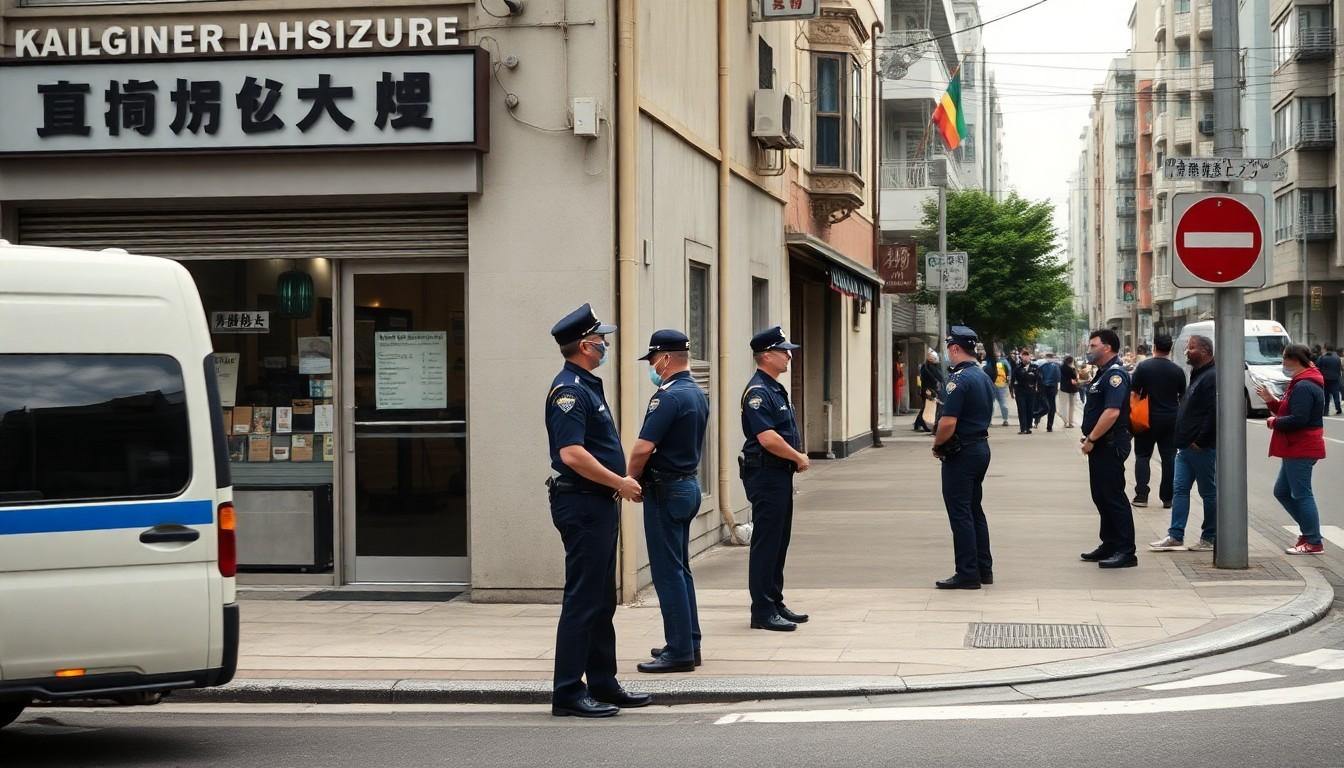
A police search at an LGBTQ bar in Taipei's Wanhua district has triggered allegations of discriminatory enforcement, prompting demands for body-camera footage, an independent investigation and stronger human-rights training. The dispute matters well beyond one venue, raising fresh questions about trust, transparency and how public authorities treat minority communities.
Essential Takeaways
- The allegations: Activists say officers may have refused to show a search warrant and mistreated people at the scene.
- The police response: Authorities have denied some accusations while saying an investigation found conduct requiring disciplinary action.
- The wider concern: The incident has revived debate about discrimination against LGBTQ people and disabled residents.
- The main demand: Campaigners want complete body-camera footage released so the public can assess what happened.
- The practical test: Any review should examine both the legality of the search and the way officers spoke to people inside the bar.
A night-time search becomes a public test
What began as a police operation at a Wanhua LGBTQ bar has quickly become a much broader argument about power. According to reports from Taiwan's Central News Agency, police said the venue was linked to suspected public-obscenity offences, while people connected with the bar questioned how officers conducted the search.
The most troubling claims concern the treatment of those present. Allegations include officers failing to display a search warrant, making humiliating remarks towards a disabled person and forcing people to kneel. Police have rejected parts of that account, but the gap between the two versions has left the public with one obvious question: what does the video show?
That uncertainty is why campaigners are pressing for the full release of body-camera recordings. Selective statements rarely settle a disputed encounter, particularly when the people involved feel they were treated as suspects before any facts were established.
Why LGBTQ communities see more than one raid
For LGBTQ residents, the episode carries historical weight. Taiwan is widely recognised for its progress on marriage equality and queer rights, yet legal milestones don't automatically erase the discomfort many minority communities feel around state power.
NewTalk reported criticism from Wu Hsin-dai, a Taipei City Council candidate, who argued that authorities mustn't use public-order enforcement as cover for intimidation or prejudice. Her comments connected the incident with Taiwan's authoritarian past, when official institutions routinely labelled and silenced vulnerable groups.
That history helps explain the strength of the reaction. A search can be lawful on paper and still feel abusive if officers use degrading language, ignore basic procedural safeguards or treat an entire community as inherently suspicious.
The city's progressive image faces scrutiny
Taipei often presents itself as an open, international city, with LGBTQ events and rainbow branding featuring prominently in tourism and civic promotion. But the contrast between polished public messaging and an uncomfortable encounter in a backstreet venue has proved politically awkward.
Reporting by FTV News and Yahoo News Taiwan highlighted the tension between the authorities' stated commitment to equality and allegations of rough or degrading treatment during the operation. For critics, the issue isn't whether police should investigate suspected offences. It's whether the same standards of dignity and due process were applied to everyone.
That distinction matters. Public institutions don't earn trust by displaying rainbow colours during major events; they earn it through consistent behaviour when cameras are less visible and the situation is more difficult.
What a credible investigation should include
The first step is preserving and publishing the complete body-camera footage, with only narrowly necessary redactions to protect privacy. A trustworthy review should also examine the search warrant, entry procedures, officers' written reports, witness accounts and any available CCTV from the venue.
Taiwanese media reports said the police confirmed a suspected public-obscenity case and that officers' inappropriate conduct had led to disciplinary action. That may address one part of the controversy, but it shouldn't close the inquiry before the public understands what happened and whether wider procedural failures occurred.
Training also needs to be practical rather than ceremonial. Officers should receive regular instruction on LGBTQ inclusion, disability rights, respectful communication and the limits of search powers, with clear consequences when those standards are ignored.
Trust will depend on what happens next
The immediate danger is that the argument becomes a familiar cycle: the police issue a brief clarification, critics demand more evidence and the community is left feeling that the truth has been tidied away rather than properly examined.
A transparent process could do the opposite. If the footage supports the police account, releasing it would help clear the air. If it shows misconduct, prompt accountability would demonstrate that equality is more than a slogan.
For people who already feel watched, judged or misunderstood, a calm and respectful response can make a real difference. As Taiwan continues to build its reputation for LGBTQ rights, this case offers a small but important measure of whether that reputation reaches the people standing inside the venue, too.
It's a simple standard: lawful policing should never require dignity to be left at the door.
Source Reference Map
Story idea inspired by: [1]
Sources by paragraph:
- Paragraph 1: [3], [4]
- Paragraph 2: [4], [6]
- Paragraph 3: [2], [3]
- Paragraph 4: [5], [7]
- Paragraph 5: [3], [4]
- Paragraph 6: [5], [6]
- Paragraph 7: [2], [4]
- Paragraph 8: [3], [6]
- Paragraph 9: [4], [5]
- Paragraph 10: [2], [3]
- Paragraph 11: [4], [6]
- Paragraph 12: [3], [5]
- Paragraph 13: [2], [4]
- Paragraph 14: [3], [6]
- Paragraph 15: [4], [5]
- Paragraph 16: [2], [3]