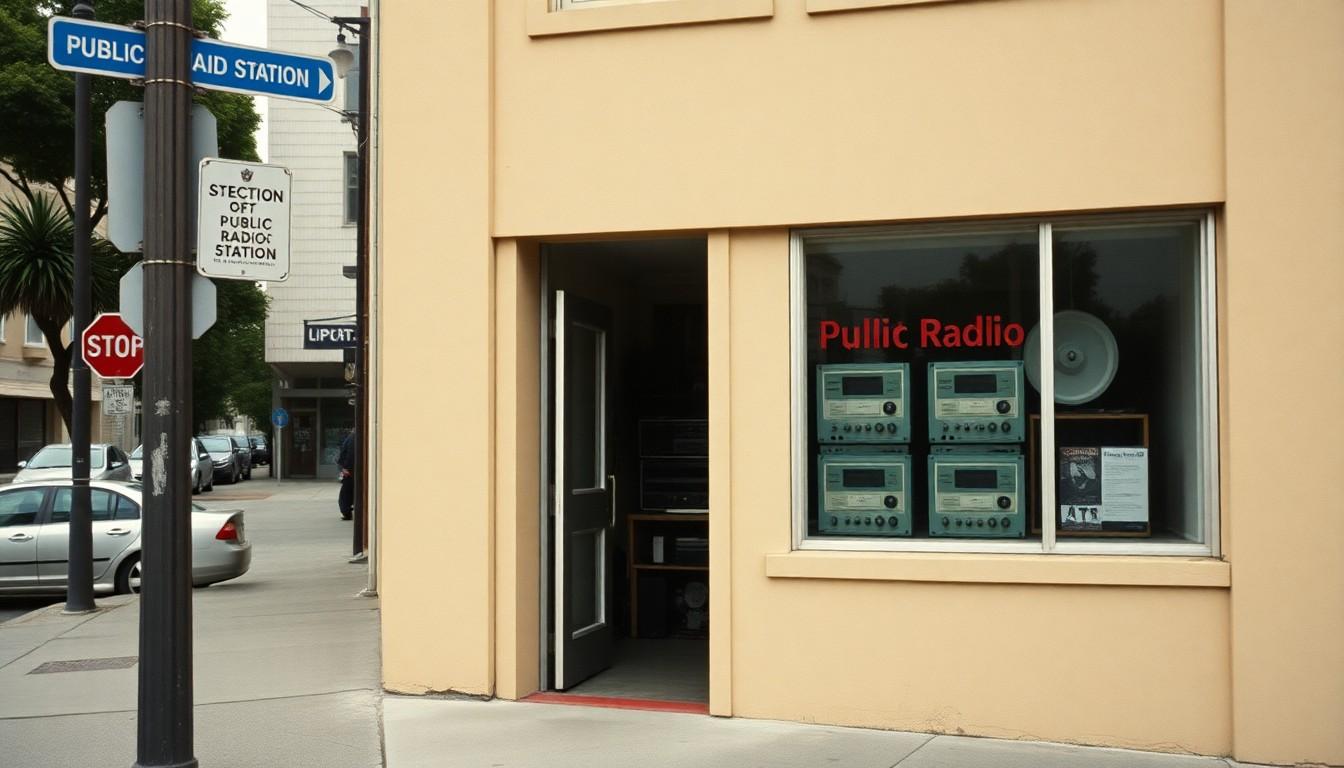
Listeners can now explore a landmark chapter of San Francisco LGBTQ history through Revisiting The Gay Life, a 14-part podcast from KALW Public Media and the GLBT Historical Society. Drawing on recordings from Randy Alfred's pioneering radio programme, the series captures activism, culture, community and the early AIDS crisis in voices that still feel remarkably immediate.
Essential Takeaways
- A pioneering broadcast: Randy Alfred produced The Gay Life from 1979 to 1984, creating one of America’s earliest regularly scheduled commercial radio shows about LGBTQ issues.
- Fourteen themed episodes: The new series covers figures including Harvey Milk and José Sarria, alongside lesbian history, bisexual activism, queer film and witchcraft.
- First-hand testimony: The archive preserves conversations with people who helped shape San Francisco’s queer communities, often while the future remained uncertain.
- AIDS history included: The final episodes examine the early epidemic and the work of Bobbi Campbell, whose public education became a form of activism.
- Free listening: The podcast is available through KALW, with original broadcasts also held by the GLBT Historical Society.
A rare queer radio archive gets a new life
There’s something wonderfully direct about hearing history before it has been polished. A voice hesitates, a presenter asks an unguarded question, and suddenly San Francisco’s queer past feels less like a textbook chapter and more like a conversation across the room.
Revisiting The Gay Life draws on the recordings of Randy Alfred’s original programme, which ran on KSAN between 1979 and 1984. KALW’s new anthology turns that substantial archive into 14 episodes, giving modern listeners an accessible route into LGBTQ history through speech, atmosphere and lived experience.
KALW describes the project as part of its Queer Power Hour programming, while the GLBT Historical Society has helped preserve and digitise the recordings. That partnership matters because old radio can be fragile: once tapes disappear, so do the ordinary voices that rarely make it into official histories.
From Harvey Milk to José Sarria, the stories are broad
The series isn’t arranged as a simple march through dates. Instead, its episodes are organised around subjects, which makes it easy to dip in according to your interests. One episode examines Harvey Milk’s life and legacy, while another revisits José Sarria and the Imperial Court, a colourful and politically significant institution in San Francisco’s LGBTQ community.
Other instalments explore lesbian history, mid-century gay men, bisexual activism and the relationship between queer communities in San Francisco and New York. There’s also space for topics that are less often included in mainstream historical accounts, including queer witches and LGBTQ cinema.
That range is one of the collection’s strengths. The story isn’t only about elections, protests and major public figures. It’s also about identity, nightlife, friendship, art and the small acts of self-definition that help a community recognise itself.
Why the voices still sound so powerful
The people who appeared on The Gay Life were taking a risk simply by speaking publicly. Radio could reach far beyond a community meeting or local newsletter, and being identified as gay, lesbian or bisexual could still carry serious personal and professional consequences.
KALW’s introduction to the project places the programme within a wider history of queer broadcasting, from early public-radio conversations to shows created specifically for LGBTQ listeners. That shift was important. Rather than explaining queer life to a presumed straight audience, these programmes offered information and recognition directly to the people listening.
For anyone exploring LGBTQ history through audio, that distinction makes the series especially valuable. It captures not only what people believed, but how they sounded while working out what could be said aloud.
The AIDS episodes are difficult, necessary listening
The closing episodes turn towards the AIDS epidemic, beginning with early reports of a mysterious illness and moving into the fear, confusion and activism that followed. The material is painful, but it also shows how quickly people began educating one another when official responses lagged behind the crisis.
KALW’s final episode draws on a recording of Bobbi Campbell made during the last month of his life. Campbell, a San Francisco nurse, became known for speaking openly about AIDS and for helping develop the People With AIDS movement. His decision to be visible challenged stigma at a moment when many people were being pushed into silence.
For younger listeners, these episodes offer vital context without reducing the period to tragedy alone. They show organising, courage and mutual care, too. History can be heavy, but hearing people insist on their own humanity makes it feel active rather than sealed away.
Where to start with the podcast
There’s no need to listen chronologically. If politics is your entry point, begin with the Harvey Milk episode. If you’re interested in media history, the live episode on queer radio offers a useful starting place, bringing together Alfred and other broadcasting pioneers.
The more culture-focused episodes may appeal to listeners who prefer stories about identity and everyday community life. Queer Witches, lesbian herstory and the cinema episode sound particularly good for anyone who wants a less familiar route into the archive.
The original broadcasts are also available through the GLBT Historical Society’s audio collection, alongside recordings from other queer radio programmes. That makes Revisiting The Gay Life more than a standalone podcast: it’s a welcoming doorway into a much larger sound archive.
Listening today, the old recordings carry a soft crackle of time, but the urgency hasn’t vanished. As one KALW contributor put it, history helps build empathy by showing where people came from. That feels like a very good reason to press play.
Explore the episodes in your own order, and let the voices lead you further into queer history.
Source Reference Map
Story idea inspired by: [1]
Sources by paragraph:
- Paragraph 1: [3], [4]
- Paragraph 2: [4], [7]
- Paragraph 3: [3], [4]
- Paragraph 4: [2], [3]
- Paragraph 5: [3], [7]
- Paragraph 6: [4], [6]
- Paragraph 7: [6], [7]
- Paragraph 8: [2], [3]
- Paragraph 9: [5], [7]
- Paragraph 10: [5]
- Paragraph 11: [3], [5]
- Paragraph 12: [2], [6]
- Paragraph 13: [3], [7]
- Paragraph 14: [4], [6]
- Paragraph 15: [3], [5]