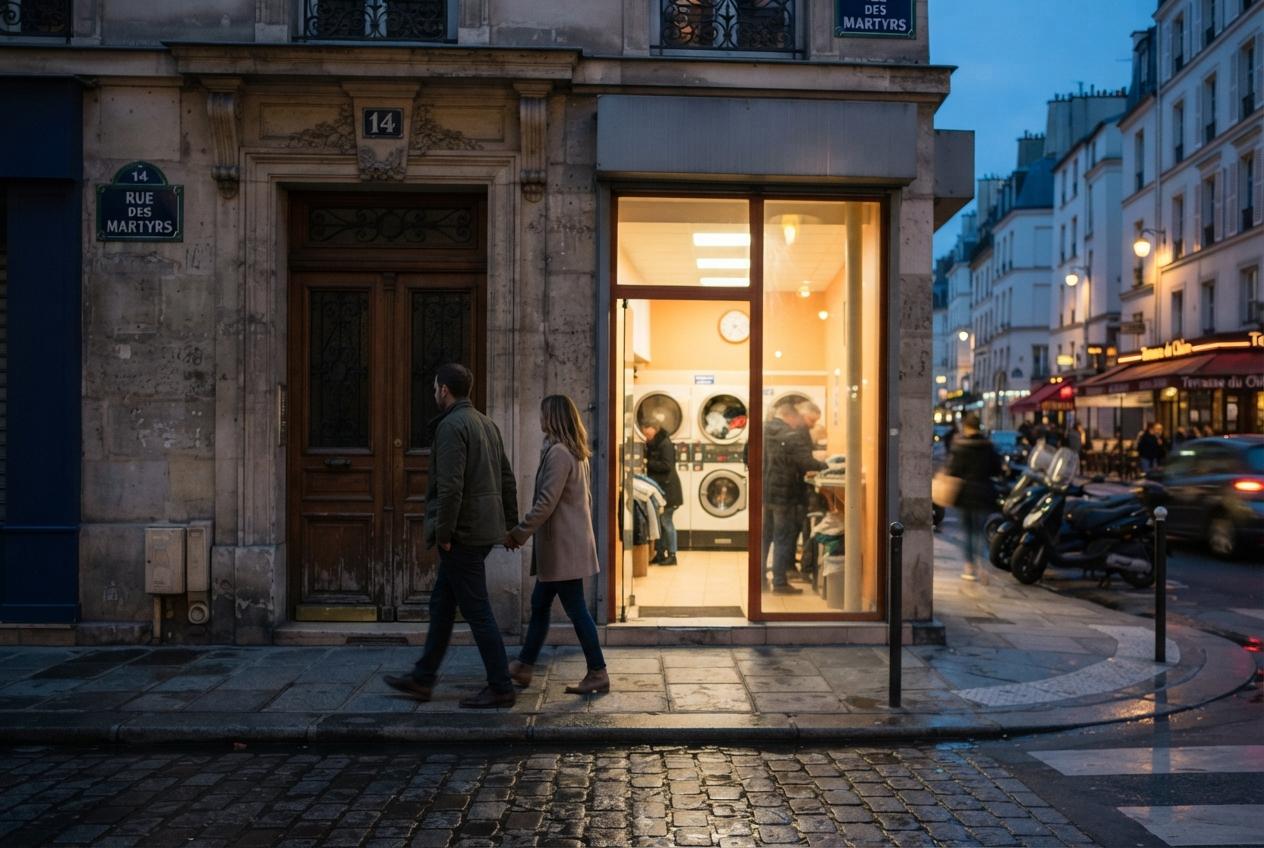
Viewers are revisiting the best queer films for steamy scenes that offer more than spectacle. From a Paris nightclub romance to a London laundrette, these celebrated stories pair physical desire with tenderness, identity and social tension, making them especially compelling choices for anyone seeking LGBTQ+ cinema with emotional depth.
Essential Takeaways
- Parisian intensity: Paris 05:59: Théo & Hugo turns a chance nightclub encounter into a tense overnight romance.
- More than provocation: Its explicit opening gives way to questions about trust, health and what happens after the fantasy fades.
- A lasting classic: My Beautiful Laundrette combines romance with race, class and sexuality in 1980s London.
- Strong emotional contrast: Both films balance sensuality with vulnerability, so the most memorable moments aren't necessarily the loudest ones.
- A useful starting point: Choose Paris 05:59 for urgency and intimacy, or My Beautiful Laundrette for layered social drama.
When desire becomes the whole story
The first minutes of Paris 05:59: Théo & Hugo are deliberately overwhelming. The camera moves through a crowded Paris sex club, capturing bodies, music and charged glances before the film narrows its focus to two strangers searching for something that might last beyond sunrise.
Roger Ebert's review highlights the film's shift from erotic spectacle to a more intimate emotional journey. That's the trick that makes it linger. The heat is immediate, but the uncertainty afterwards is where the real drama begins.
A night out, followed by difficult questions
Théo and Hugo's connection is tested when a detail about their encounter changes the mood completely. Suddenly, the romantic fantasy has practical consequences, and the pair must deal with trust, sexual health and the fragile awkwardness of getting to know someone under pressure.
The film's power comes from refusing to treat those questions as a lecture. Instead, they become part of the messy, tender conversation between two people who may have met at the least conventional starting point imaginable. As Ioncinema's review suggests, the film uses its compressed timeframe to make every hesitation feel close and immediate.
Why the nightclub setting matters
A sex club can be presented as either lurid or liberating, but this film treats it as a social space with its own rules, rituals and loneliness. The opening is busy and anonymous; the later journey through Paris feels quieter, almost dreamlike, as though the city is giving the characters room to decide what they want.
That contrast also explains why the film appeals to viewers looking for emotionally intense LGBTQ+ films. It isn't simply about a provocative beginning. It's about what intimacy means when the music stops and two people have to speak plainly.
My Beautiful Laundrette still feels surprisingly modern
Released in the 1980s, My Beautiful Laundrette follows Omar, a young British Pakistani man, and Johnny, a former lover played by Daniel Day-Lewis, as they rebuild a struggling laundrette and rekindle their relationship. The setting is wonderfully ordinary: washing machines, cramped streets and the daily grind of running a business.
Yet the romance sits inside a much bigger story about race, class, family expectations and sexuality. Roger Ebert's assessment of the film underlines how unusual its tenderness was for its time, particularly because it allowed desire and social conflict to exist side by side rather than reducing either to a simple message.
Two films, two kinds of queer romance
These films make an interesting pairing. Paris 05:59 is immediate, nocturnal and physically direct, while My Beautiful Laundrette is more rooted in work, community and the slow friction of everyday life. One feels like a long night that could change everything; the other feels like a relationship trying to survive the world around it.
Hanif Kureishi's writing remains central to the latter film's identity, and later profiles in The Atlantic and Le Monde have revisited his importance as a writer of desire, race and belonging. For viewers exploring queer cinema today, that context adds another layer to a film that still feels both romantic and sharply observant.
What to watch first
If you're after a film with urgent chemistry and a single-night structure, start with Paris 05:59: Théo & Hugo. Its frankness may be challenging, but the emotional payoff comes from watching attraction develop into something more thoughtful.
For a richer, more socially textured evening, choose My Beautiful Laundrette. It has humour, messiness and a soft, stubborn romantic core. Together, the films show why the strongest queer stories don't separate sensuality from politics, or pleasure from consequence.
The best queer films don't just show attraction; they ask what happens when real life walks through the door.
Source Reference Map
Story idea inspired by: [1]
Sources by paragraph: