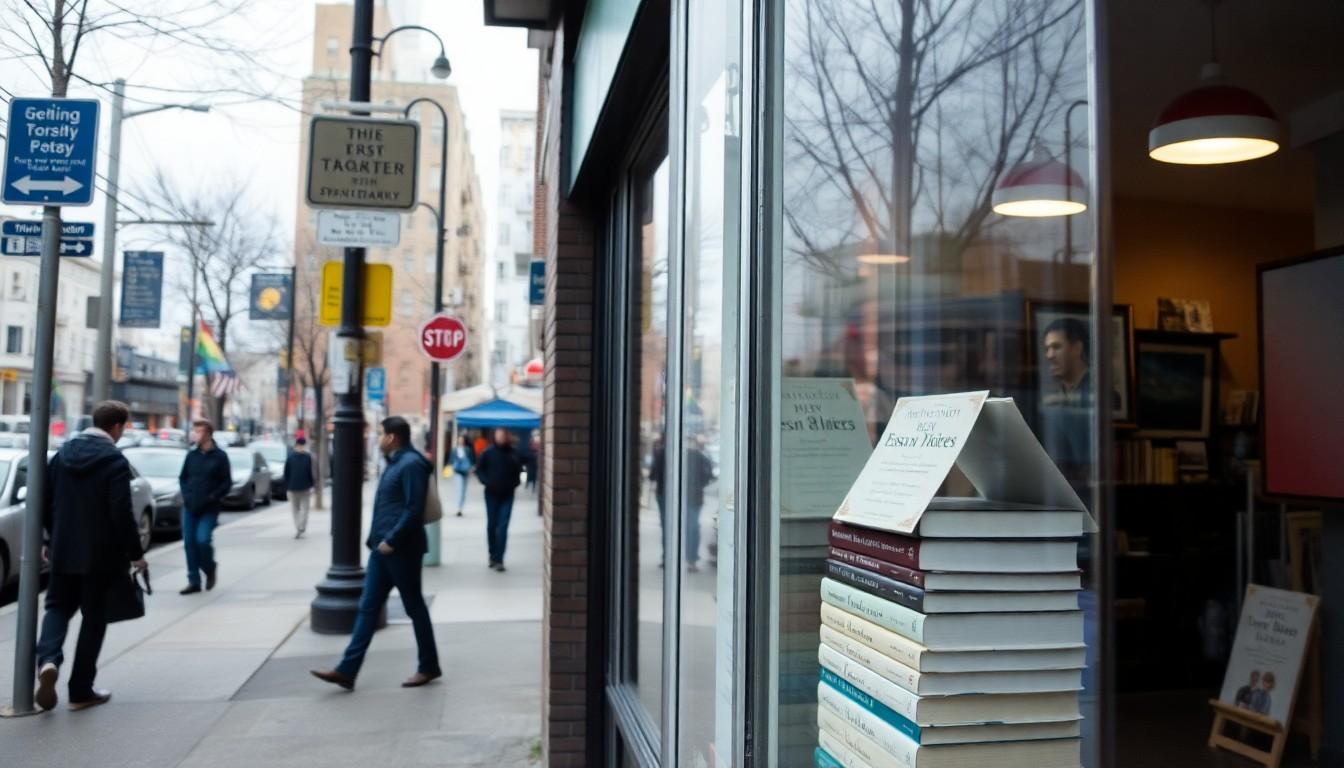
Readers looking for a funny, personal gay essay collection will find plenty to savour in Eliot Glazer's new book, available in print and digital editions. With stories about family, work, theatre, television, dating and everyday missteps, it turns awkward memories into warm, sharply observed entertainment.
Essential Takeaways
- A personal essay collection: Eliot Glazer explores identity, family, work and relationships through candid, comic storytelling.
- A colourful working life: His early jobs included gardening, telemarketing, video-shop work and selling clothes.
- Pop-culture perspective: Television shows including Will & Grace and Queer Eye for the Straight Guy helped shape his sense of belonging.
- A warm comic tone: The book treats mistakes as material for reflection rather than reasons for shame.
- Multiple formats: Readers can look for the book in print, ebook and audiobook editions.
A candid book about getting things wrong
Some memoirs arrive with a polished life lesson already attached. Glazer's collection takes a more appealing route: it lingers over the awkward bits, the missed chances and the moments when confidence runs ahead of common sense. The result feels less like a victory lap and more like an honest chat with someone who's learnt to laugh at the evidence.
The book's central pleasure is its willingness to make embarrassment useful. According to the publisher's listing, The Terrible, Horrible, No Good, Very Bad Gay is a 240-page collection of essays, giving Glazer room to move between personal history and broader observations about queer life. The title promises chaos, but the mood is more affectionate than bleak.
From Long Island jobs to theatre-kid energy
Glazer's background gives the essays an appealingly textured starting point. His early working life included an unusually broad run of jobs, from gardening and ice-cream service to telemarketing and retail. That variety matters because it turns the book into more than a sequence of celebrity anecdotes; it shows a person trying on different versions of adulthood.
Retail, in particular, seems to have offered a kind of accidental education in people-watching. Working at Talbots, a shop aimed at older women, helped him find an unexpected community, while his enthusiasm for theatre supplied the drama, vocabulary and occasional overstatement. As the publisher's catalogue confirms, the collection draws on these formative experiences rather than presenting identity as a single, tidy revelation.
Why pop culture matters here
For many queer readers, television wasn't simply background noise. It could be a first glimpse of a life that felt recognisable, or at least possible. Glazer's account of discovering Will & Grace and Queer Eye for the Straight Guy places his coming-out years within that wider cultural shift.
That context gives the essays extra resonance. The digital and audiobook listings for the title show how the book is being positioned for today's multi-format reading habits, but its subject is rooted in an earlier television era, when representation could feel startlingly intimate. There’s a knowing pleasure in looking back at the shows that helped people feel less alone, even when those shows now seem wonderfully dated.
Dating, décor and the lessons of experience
The book also follows Glazer into adulthood, where questions of romance sit alongside a developing eye for interiors and presentation. His interest in décor appears to grow from observation, confidence and the gradual realisation that good advice doesn't always require a formal qualification.
That blend of social commentary and self-deprecation should suit readers who enjoy memoirs that refuse to take sophistication too seriously. Goodreads and Google Books listings identify the title as a contemporary essay collection, and its appeal lies in that flexibility: it can be read for the jokes, the cultural memories or the less glamorous truth that relationships rarely follow a clean plot.
A lively choice for memoir fans
The collection's strongest selling point is its balance. It has enough cultural touchstones to feel specific, enough family history to feel grounded and enough self-mockery to stop the personal material becoming grandiose. Even the mistakes have a slightly theatrical entrance, which seems entirely appropriate for a writer with deep Broadway affection.
Readers can choose the format that suits them, with listings available for physical, digital and audio editions. For anyone after a funny queer memoir with a lived-in voice, this looks like a promising companion for a quiet evening, a commute or any moment when your own past could use a kinder punchline.
A sharp, generous reminder that life’s worst moments can become its best stories.
Source Reference Map
Story idea inspired by: [1]
Sources by paragraph: