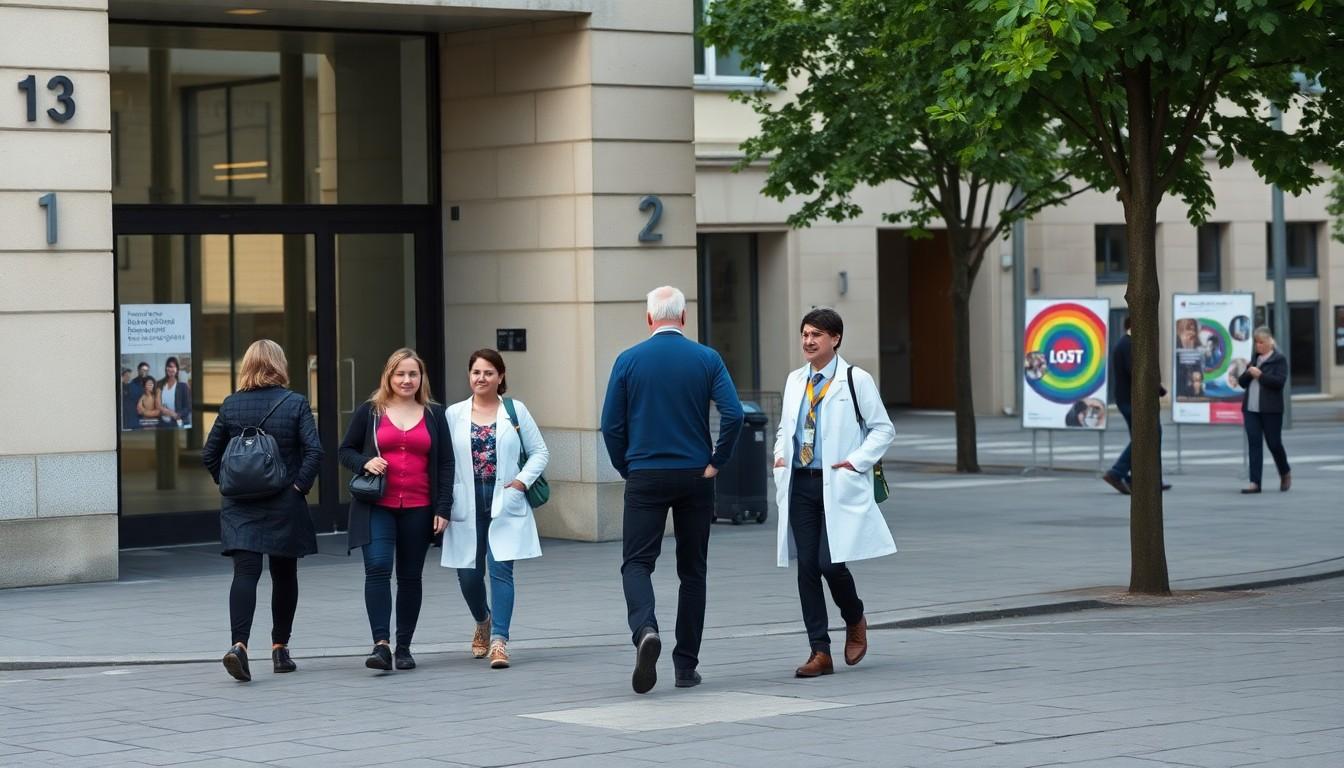
Researchers and support services across Belgium are keeping a close eye on LGBTQ+ discrimination, transgender wellbeing and attitudes among young people. The evidence points to a complicated picture: progress exists, but prejudice has not disappeared. For queer people navigating family, faith, school or public spaces, accessible support remains vital.
Essential Takeaways
- Prejudice is still measurable: Belgian research continues to find that homophobia and transphobia affect everyday life, not just public debate.
- Young people need trusted adults: Family attitudes can shape views on gender and sexuality more powerfully than online content.
- Experiences differ widely: Religion, culture, age, education and social circumstances can influence attitudes, but no community is completely uniform.
- Specialist support matters: Services such as the Transgender Infopunt and hospital gender teams offer practical guidance and care.
- Better data is needed: Under-reporting and inconsistent recording make it difficult to understand the full scale of anti-LGBTQ+ violence.
The numbers tell only part of the story
Homophobia rarely arrives with a neat label. Sometimes it's a threatening message or a shouted insult; sometimes it's the quieter pressure to hide a partner, change clothes or avoid certain streets. Research from Belgian academics and support organisations shows that discrimination remains a live issue, even as LGBTQ+ rights have become more visible.
A study published in European Societies examined sexist attitudes among Christian and Muslim young people, highlighting how beliefs about gender and relationships can overlap with wider ideas about social roles. That doesn't mean every religious young person is intolerant, but it does show why broad assumptions are unhelpful and careful analysis is essential.
The harder question is what attitudes become in real life. A disapproving look and a physical attack aren't equivalent, yet both can contribute to an atmosphere in which queer people feel watched or unwelcome. Better reporting would help researchers and policymakers separate everyday discomfort from serious threats.
Why lived experience deserves more attention
Official statistics can miss the people who don't report. Someone may decide that contacting the police will be exhausting, embarrassing or pointless, particularly if previous experiences with institutions haven't inspired confidence. That gap leaves campaigners trying to understand a problem through fragments.
Research and service information from Ghent shows that transgender people face distinctive practical and emotional challenges, from healthcare access to social recognition. A needs analysis commissioned by the city also underlines the value of listening directly to transgender residents rather than designing services from a distance.
That sounds obvious, but it's often where policy falls short. A form, helpline or clinic may technically exist, yet still feel impossible to use if the language is cold, the waiting list is long or staff aren't properly informed. Good support should feel less like an obstacle course and more like a door that's genuinely open.
Faith, family and the ideas young people inherit
Public arguments often focus on social media, especially online communities that promote rigid ideas about masculinity and gender. But evidence cited in the wider debate suggests parents and family life can have a stronger influence on young people's attitudes than the internet alone.
Religion can be part of that family and cultural environment, but it shouldn't be treated as a single block. Congregations and households differ, and many believers actively support LGBTQ+ people. The useful distinction is between examining harmful beliefs honestly and blaming an entire community for the actions of some members.
That balance matters politically, too. LGBTQ+ rights shouldn't become a convenient weapon in arguments about immigration or identity. Equally, the fear of fuelling prejudice shouldn't make genuine discrimination impossible to discuss. Both evasions leave queer people carrying the cost.
Specialist care is becoming harder to ignore
For transgender people, support isn't only about public attitudes. It can involve healthcare, identity documents, mental wellbeing, family conversations and the search for a professional who understands the terrain. The Transgender Infopunt provides information and guidance, while hospital-based teams offer more specialised routes into care.
UZ Gent has also called for more centres to develop transgender services, reflecting demand that stretches beyond a small number of specialist providers. More capacity could mean shorter journeys, less pressure on individual clinics and fewer people left trying to navigate care alone.
Research projects focused on trans youth are especially important because adolescence brings its own mix of vulnerability, discovery and family tension. A calm, informed adult can make an enormous difference. For many young people, being taken seriously is not a luxury; it's the foundation for feeling safe.
What meaningful progress would look like
The most useful response is neither panic nor polite silence. Schools need clear anti-bullying policies, families need better conversations about gender and sexuality, healthcare workers need training, and authorities need to record anti-LGBTQ+ incidents consistently.
Researchers have repeatedly shown that prejudice isn't fixed. Attitudes can shift when people have accurate information, positive contact and room to question inherited assumptions. That offers hope, but it also makes complacency risky. Rights on paper don't automatically create safety on a pavement, in a classroom or at home.
The next step is to make support easier to find and harder to dismiss. As one researcher at VUB has argued, the fight against homophobia is still necessary. For anyone who has ever edited their behaviour to avoid attention, that conclusion won't come as a surprise.
Small acts of visibility matter, but lasting change needs systems that stand behind them.
Source Reference Map
Story idea inspired by: [1]
Sources by paragraph:
- Paragraph 1: [2], [5]
- Paragraph 2: [4], [5]
- Paragraph 3: [3], [7]
- Paragraph 4: [2], [6]
- Paragraph 5: [3], [5]
- Paragraph 6: [4], [7]
- Paragraph 7: [2], [6]
- Paragraph 8: [6], [7]
- Paragraph 9: [3], [5]
- Paragraph 10: [2], [3]
- Paragraph 11: [4], [5]
- Paragraph 12: [6], [7]
- Paragraph 13: [2], [6]
- Paragraph 14: [3], [7]
- Paragraph 15: [5], [7]
- Paragraph 16: [2], [3]
- Paragraph 17: [4], [5]
- Paragraph 18: [2], [6]
- Paragraph 19: [3], [7]
- Paragraph 20: [5], [6]