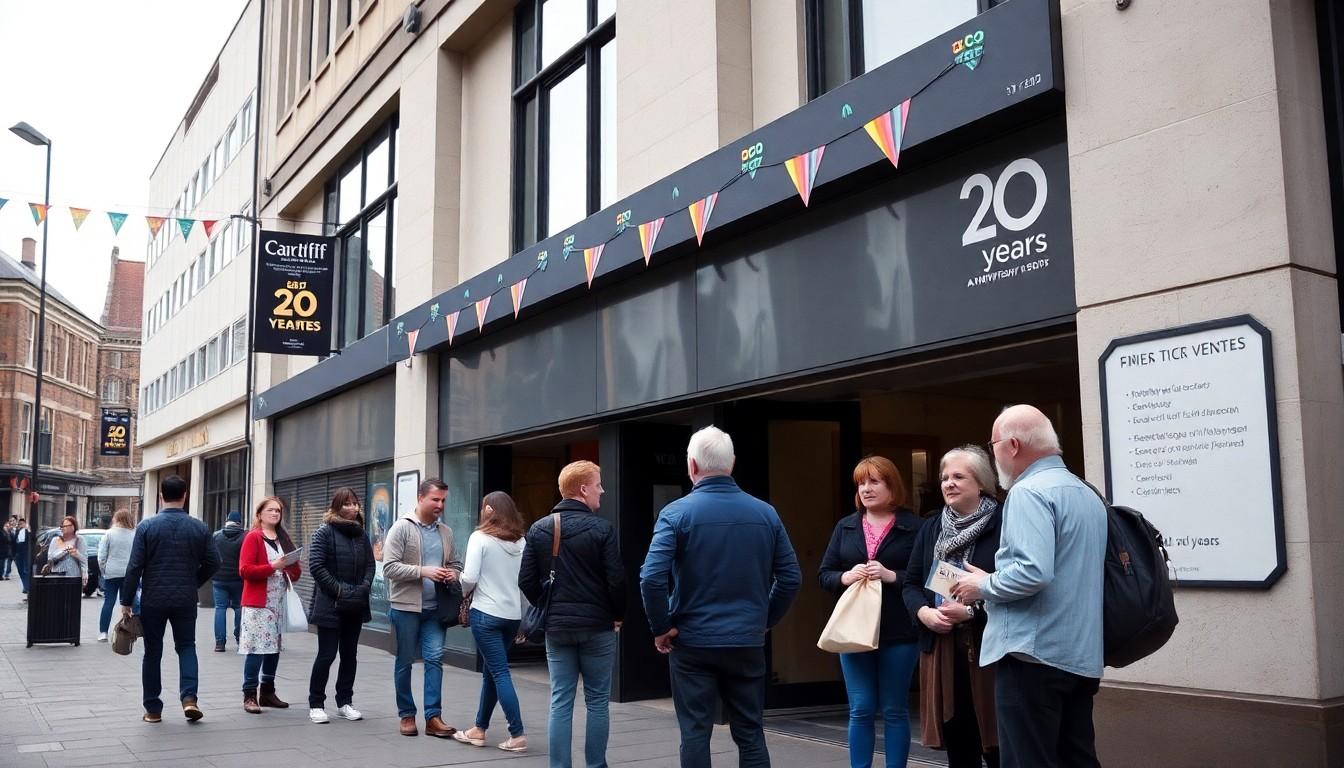
Cardiff's Iris Prize LGBTQ+ Film Festival is celebrating two decades of bold, international cinema, bringing filmmakers, audiences and underrepresented stories together across the Welsh capital. With prize-winning shorts, filmmaker events and anniversary screenings, the festival remains a lively fixture for anyone seeking thoughtful, adventurous LGBTQ+ film.
Essential Takeaways
- A major milestone: Iris is marking 20 years of LGBTQ+ film programming in Cardiff.
- Global reach: Hundreds of films from around the world have competed for the Iris Prize.
- A substantial award: The £40,000 Iris Prize remains one of the world's largest short-film prizes.
- More than screenings: Audiences can meet filmmakers, attend events and discover work beyond the mainstream.
- A practical choice: Festival passes and individual tickets offer options for dedicated cinephiles and casual visitors alike.
Cardiff's Iris Prize has grown into a global platform
The Iris Prize started modestly in 2006, but its ambition was always bigger than a single weekend of screenings. Two decades later, Cardiff's annual LGBTQ+ film festival has become a recognised meeting point for emerging talent, established artists and audiences hungry for stories that don't always find space in mainstream cinemas.
The atmosphere is part film festival, part community gathering. There are screenings, conversations and the pleasant sense that everyone has arrived ready to discover something new. According to Iris Prize, its programme draws from an international field, while its Cardiff setting gives the event a distinctly Welsh warmth.
That combination has helped the festival build a reputation well beyond the city. Visit Cardiff lists Iris among the capital's notable cultural events, making it an appealing addition to a weekend built around cinemas, independent venues and the city's sociable atmosphere.
Why the Iris Prize still matters
Festival founder Berwyn Rowlands argues that LGBTQ+ storytelling remains essential, particularly as public conversations around identity and visibility have become more charged again. That gives this anniversary a little more weight than a simple birthday celebration.
The festival's focus also extends beyond a narrow idea of representation. Stories by and about women, people of colour, disabled people and people beyond the gender binary have long formed part of the wider conversation around Iris. Its programme reflects the reality that LGBTQ+ cinema isn't one genre or one experience.
The organisation's awards structure reinforces that breadth. The Iris Prize sits alongside honours for performance, features, British shorts, youth juries, community work and films made by students. That range makes the festival feel less like a competition with one winner and more like a snapshot of where LGBTQ+ filmmaking is heading.
From Cardiff short films to Oscar attention
The most exciting thing about a short-film festival is often the glimpse of a future career. Iris winners have gone on to make work for larger audiences, while alumni have earned serious international recognition, including Oscar nominations.
Channel 4 has also helped extend the festival's reach, with Iris-related short films available to stream beyond the event itself. The festival says its British Shorts collection has attracted millions of views, a useful reminder that a short film can travel far when the right platform finds it.
Iris has continued to widen that route to audiences through partnerships and touring activity. Its Iris On The Move programme takes selected work to cinemas around the UK, so viewers don't necessarily need to travel to Cardiff to experience the festival's strongest films.
What can visitors expect at the 20th anniversary edition?
The anniversary programme is designed for both committed festival-goers and curious newcomers. Full passes suit anyone determined to see as much as possible, while day tickets and individual screenings make it easier to dip in without committing to an entire week.
Cineworld Cardiff is among the venues involved in the 20th anniversary edition, according to an announcement from Iris Prize. The wider programme also includes filmmaker appearances and special events, giving audiences the chance to put faces and conversations alongside the films.
For visitors choosing what to book, it's worth mixing familiar-looking titles with a few unknowns. A short can surprise you in 15 minutes, and the festival's international selection means the most memorable film may come from a place or perspective you hadn't expected.
How to make the most of Iris Prize
Start by checking the official programme and planning around the films that genuinely catch your eye. Then leave some room for last-minute discoveries, because festival schedules have a habit of producing tempting clashes.
If you're new to LGBTQ+ cinema festivals, a single screening is a perfectly good introduction. More committed visitors can choose a weekend or full pass, while the festival's awards and discussions offer useful context for anyone keen to understand how emerging films are made and supported.
The anniversary is also a chance to look beyond the red-carpet idea of a festival. Iris is valuable because it gives filmmakers a platform, audiences a shared experience and Cardiff a cultural event with international reach. That's a pretty strong legacy for a festival that began with a three-day event.
A celebration with its eyes on the future
Iris Prize's 20th anniversary is both a look back at its achievements and a reminder that visibility can't be taken for granted. Its success shows what can happen when a city commits to making room for ambitious, diverse cinema.
There are still questions ahead, including succession and the festival's long-term development. For now, though, Iris remains busy, curious and refreshingly open to new voices. As anniversaries go, this one feels less like a conclusion than an invitation to keep watching.
Explore the programme and find a screening that brings a little more colour to your Cardiff visit.
Source Reference Map
Story idea inspired by: [1]
Sources by paragraph:
- Paragraph 1: [2], [5]
- Paragraph 2: [2], [6]
- Paragraph 3: [3], [7]
- Paragraph 4: [2], [4]
- Paragraph 5: [3], [6]
- Paragraph 6: [2], [7]
- Paragraph 7: [4], [5]
- Paragraph 8: [6], [7]
- Paragraph 9: [2], [5]
- Paragraph 10: [3], [4]
- Paragraph 11: [2], [7]
- Paragraph 12: [5], [6]
- Paragraph 13: [2], [3]
- Paragraph 14: [4], [7]
- Paragraph 15: [2], [5]
- Paragraph 16: [3], [6]