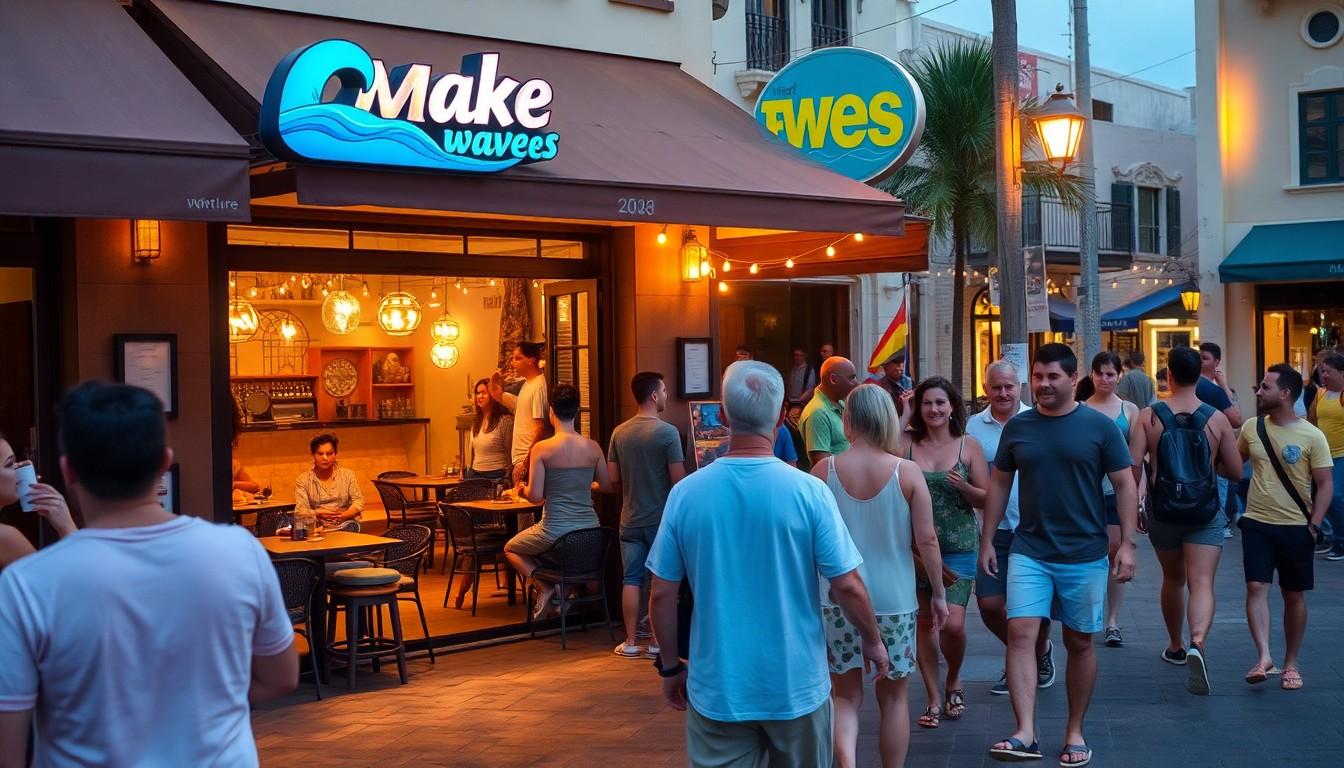
Travellers turned Willemstad into a colourful Caribbean meeting point during Curaçao Pride 2026, combining LGBTQ+ celebrations with heritage, food, nightlife and ocean views. With its “Make Waves” theme, the week offered a lively reason to visit the Dutch Caribbean island while highlighting Curaçao's growing appeal as a welcoming, culture-rich destination.
Essential Takeaways
- A week of celebration: Curaçao Pride ran from 27 September to 3 October 2026, with some closing activities listed for 4 October.
- Willemstad at the centre: Events spread across Punda, Pietermaai and nearby historic districts.
- More than nightlife: The programme included social gatherings, a queer history walk, daytime activities and poolside celebrations.
- A striking setting: Handelskade, St Anna Bay and the Queen Emma Bridge added colourful waterfront scenery.
- Tourism is growing: Curaçao recorded 788,427 stayover arrivals in 2025, although Pride's precise economic impact hasn't been separately measured.
Willemstad gave Pride a colourful Caribbean backdrop
The strongest impression of Curaçao Pride 2026 was visual: bright waterfront façades, warm evening air and busy streets leading towards music, food and late-night gatherings. Willemstad's historic centre gave the festival an unmistakable sense of place, rather than making it feel like a celebration that could happen anywhere.
The official Curaçao Pride Week listing presented the event as a broad programme of community and cultural activities, while the Pride organisation's calendar highlighted gatherings across the capital. That mix matters because visitors could build a holiday around the festival instead of simply attending one parade.
Punda and Pietermaai formed the natural focus. One offered heritage, shopping and harbour views; the other brought restaurants, boutique stays and an easy route into the island's evening scene.
“Make Waves” brought community and visibility together
The 2026 theme, “Make Waves”, placed visibility and inclusion at the heart of the week. The programme wasn't limited to parties, with social meet-ups and a queer history walk creating space for conversation as well as celebration.
That balance gives Curaçao Pride its own character. A traveller might begin the day learning about the island's LGBTQ+ story, wander through colourful streets in the afternoon and finish with a cocktail or dance later on. It's a fuller experience than a single headline event.
The official Pride listings also included a parade, making the week especially appealing to visitors looking for a visible, communal moment. For first-time guests, checking the latest timetable before booking remains sensible, as event dates and venues can change.
Pietermaai turned into the evening hub
Pietermaai is already one of Willemstad's most popular hospitality areas, with restored buildings, restaurants, bars and compact accommodation. During Pride, it became a convenient base for moving between dinner, drinks and organised events without losing the neighbourhood's relaxed, walkable feel.
The published programme included the Pride Social at Pretu Cafe & Cocktailbar and a range of later gatherings, including poolside and after-party events. The details give visitors useful choice: a quieter introduction for newcomers, or a livelier night for those ready to join the crowd.
That flexibility is one of the festival's practical strengths. Not everyone wants a packed dance floor every night, and Curaçao offers enough cafés, waterfront corners and restaurants to make a slower evening feel just as enjoyable.
Plan around Curaçao's heritage and waterfront
Pride visitors should leave time for Willemstad itself. Handelskade's colourful buildings remain among the city's most recognisable sights, while the floating Queen Emma Bridge connects Punda and Otrobanda across St Anna Bay.
The bridge opens for passing ships, so its movement is part of the harbour's normal rhythm rather than a special Pride performance. Still, catching it in motion is a memorable little piece of waterfront theatre, especially as the sun begins to drop.
Curaçao's historic inner city and harbour were recognised as a UNESCO World Heritage Site in 1997. Add beaches, diving, dining and local museums, and the island offers plenty to do before and after the festival. Comfortable shoes are a surprisingly good investment: the streets are tempting to explore, but some surfaces can be uneven.
Growing tourism adds momentum, but not every number tells the story
Curaçao's wider tourism figures help explain why international events such as Pride are attracting attention. The Curaçao Tourist Board reported 788,427 stayover arrivals in 2025, up from 700,242 in 2024, while the island also recorded strong visitor numbers in early 2026.
Curaçao Chronicle reported a further rise in stayover tourism during 2026, while the Tourist Board's February update showed continued interest from important markets including the Netherlands and the United States. Those trends suggest a destination with growing visibility, but they don't prove how many trips were specifically prompted by Pride.
That distinction is worth keeping clear. Pride can raise a destination's profile, support restaurants and independent businesses, and encourage longer stays, but its precise effect requires dedicated event data. For travellers, the practical message is simpler: book early, compare accommodation in Punda and Pietermaai, and allow time to experience more than the official schedule.
Curaçao Pride's lasting appeal may be that it connects celebration with place. As one visitor put it in spirit, the best memories aren't always the loudest ones; sometimes they're a warm walk beside the harbour after the music fades.
It's a small island with a big, bright invitation: make space for Pride, history and a little sea air.
Source Reference Map
Story idea inspired by: [1]
Sources by paragraph: