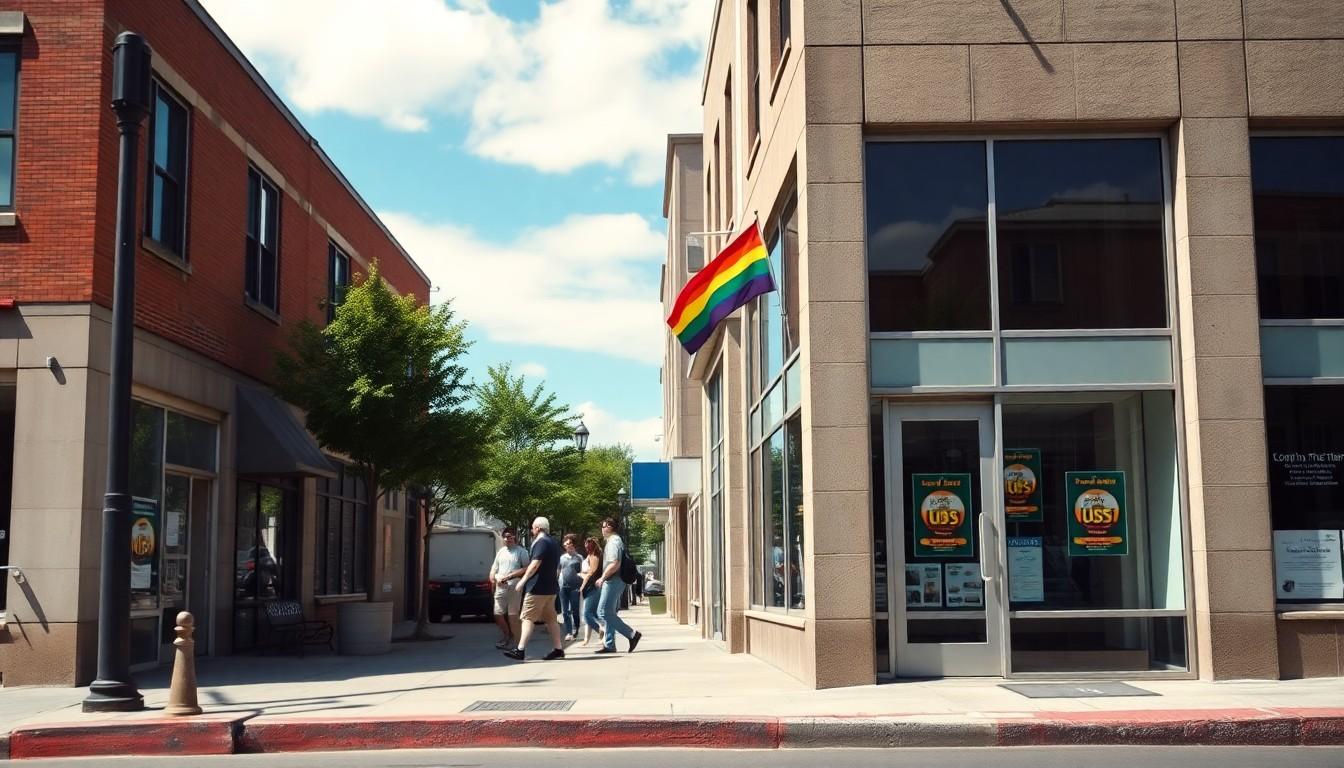
Readers are being reminded that independent local journalism can do more than report the news. It can scrutinise political language, amplify LGBTQ+ voices and help communities understand decisions made close to home. In an era of louder national coverage and thinner local resources, supporting trusted outlets matters because democracy depends on informed, engaged neighbours.
Local reporting puts political language under the microscope
Political messaging can look polished at first glance, but the details often matter most. Local journalism has the space to examine what candidates and campaigns are promising, what they leave unsaid and how those positions could affect people in their own communities.
That kind of scrutiny is especially valuable in state and local politics, where decisions about education, healthcare, civil rights and public services can feel distant until they alter daily life. A strong local newsroom makes those connections clearer, rather than leaving readers to decode them alone.
Why LGBTQ+ communities need independent coverage
For LGBTQ+ readers, local reporting can provide something national headlines often miss: context. State policy debates may involve familiar political talking points, yet their consequences are lived in schools, workplaces, clinics and public spaces.
Community-focused outlets also create room for voices that aren't always given equal attention elsewhere. According to LGBTQ Nation, supporting independent media and community organisations is closely tied to building stronger civic participation and representation.
A crowded media landscape makes trust harder to find
Readers now encounter political claims through social platforms, newsletters, partisan websites and short video clips. The speed is impressive, but the context can be wafer-thin. That's where independent journalism earns its keep by checking claims, explaining background and resisting the pressure to chase every viral moment.
Organisations such as Truthout and Project Censored have long highlighted the importance of media independence, transparency and stories that can be overlooked by commercially driven news cycles. Their work reflects a wider concern: if fewer reporters are watching local institutions, fewer people know what deserves attention.
Supporting journalism is a practical civic choice
Donating to a newsroom isn't the only way to help. Readers can subscribe, share well-reported work, attend community events, send useful tips and make time for local elections. Even small acts help good reporting travel beyond its original audience.
Media supporters also need to look for clear editorial standards, corrections policies and a visible separation between reporting and fundraising. Those details may sound unglamorous, but they're reassuring signs that a publication takes its responsibility seriously.
The future depends on engaged readers
Independent outlets face familiar pressures, from rising production costs to shrinking advertising revenue. Public radio and community media organisations, including KPFK, show how listener and reader support can help keep non-commercial journalism available.
The Woodcock Foundation's support for free-press projects reflects the same broader principle: journalism works best when communities see it as shared infrastructure, not simply another product. Keeping that infrastructure healthy takes attention, money and participation, but the payoff is a better-informed public.
Good local reporting doesn't just describe democracy. It helps people practise it.
Source Reference Map
Story idea inspired by: [1]
Sources by paragraph: