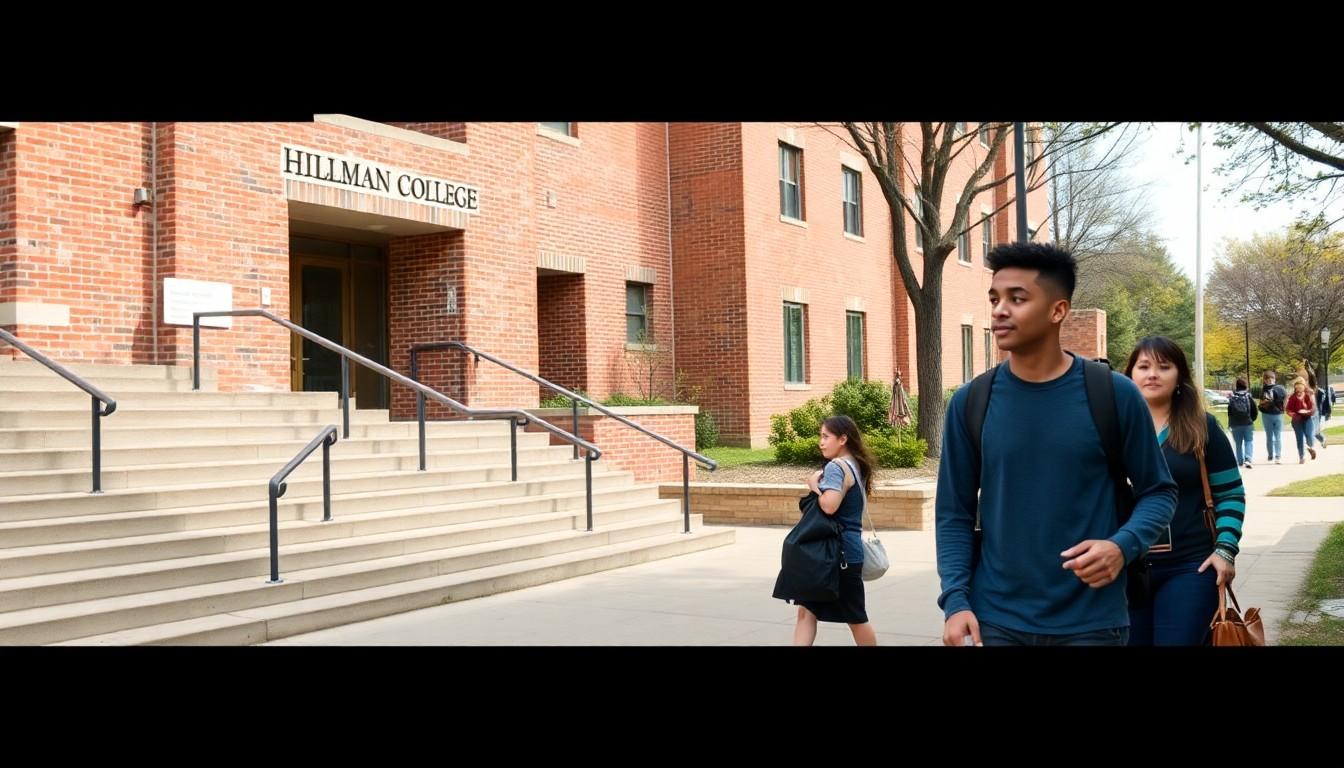
Viewers are debating Netflix's new A Different World chapter after the arrival of an openly queer Hillman student. But the bigger issue isn't whether LGBTQ+ characters belong in Black storytelling. It's why their presence is still treated as a surprise, especially when HBCU students have long built communities, challenged barriers and shaped campus life in full view.
Essential Takeaways
- Representation matters: Black LGBTQ+ students are part of HBCU life, not an outside addition to it.
- Campus reality is varied: Students may find support, but discrimination and isolation can still shape their experience.
- History runs deep: HBCU LGBTQ+ organisations and networks have helped students find safety, advocacy and community.
- Ordinary stories count: Queer characters deserve friendships, coursework, romance and everyday mishaps, not only trauma.
- Look beyond the label: Campus support services, LGBTQ+ groups and inclusive policies can make a practical difference.
Hillman feels more honest when it gets bigger
The new A Different World storyline has touched a nerve because an openly gay student at Hillman College is impossible to miss. Some viewers see that character as an unwelcome modern addition, while others see something much simpler: a Black college experience that finally reflects more of the people who have always lived it.
That distinction matters. An HBCU is not a single personality type in brick buildings. It's a lively mix of regions, faiths, politics, class backgrounds, ambitions and personal histories. LGBTQ+ students are part of that mix, whether or not a television script chooses to name them.
Research and campus resources collected by BestColleges describe LGBTQ+ HBCU students as navigating both belonging and barriers. The result is a more complicated picture than the familiar argument that queer representation has been inserted into Black life from somewhere else. It was already there, even when television was reluctant to show it.
The history behind LGBTQ+ HBCU representation
For decades, Black LGBTQ+ people have contributed to education, civil-rights organising, scholarship and culture. Their stories haven't always been recorded openly, particularly when public acceptance, religious pressure or institutional rules made visibility risky.
That silence can be misleading. Campus Pride's HBCU Commission exists in part because LGBTQ+ students at historically Black colleges and universities need dedicated advocacy, education and support. Its work recognises that inclusion isn't just a casting decision or a social-media debate. It affects housing, safety, student services and whether someone feels able to remain on campus as themselves.
Meanwhile, organisations such as the National Black Justice Coalition have focused on LGBTQ+ equality at HBCUs, linking student wellbeing with wider conversations about racial justice. It's a reminder that Black queer life isn't a side note to Black history. It's woven through the same institutions and movements.
Why television's old silences don't prove anything
A common complaint asks why earlier episodes of A Different World didn't feature openly queer students. The answer is not necessarily that those students were absent. Television has always been selective, cautious and shaped by the limits of its era.
In earlier network programming, queer characters were often hinted at, coded or left unnamed. A show might suggest a character's difference while avoiding the direct conversation. That wasn't a complete portrait of campus life. It was a portrait filtered through what broadcasters believed audiences would accept.
Today's viewers have more language for identity, and writers have more room to use it. An openly gay student dealing with college, relationships and housing isn't automatically a political message. Sometimes it's simply a person getting through the week, which is precisely the sort of normality many viewers have rarely been offered.
Heterosexual stories have always been treated as ordinary
The argument that queer characters make a programme "all about sexuality" falls apart rather quickly. Straight characters can flirt, date, fall out, fall in love and make spectacularly poor romantic decisions without being treated as a special category.
Those plots are usually called life.
BestColleges' coverage of LGBTQ+ student experiences points to the everyday concerns shared across campus communities, from friendships and safety to identity and belonging. The useful comparison is not between "sexuality" and "no sexuality", because every romantic storyline carries some form of it. The real comparison is between whose experiences are allowed to feel ordinary.
That matters for younger viewers. A Black queer student should be able to see a character who is clever, annoying, ambitious, funny, insecure or hopeless at replying to messages. A life made of regular problems can be far more reassuring than one built entirely around suffering.
What support looks like beyond the screen
For students choosing an HBCU, the practical questions are less dramatic than a television controversy but much more important. Is there an LGBTQ+ student group? Are counselling services visibly inclusive? Does the institution publish a clear non-discrimination policy? Can students find confidential support without having to explain themselves repeatedly?
Campus Pride's resources, including its HBCU-focused work and campus profiles, offer one place to begin checking those details. Student organisations can also provide peer connection, while national groups such as the National Black Justice Coalition help keep equality and institutional accountability in view.
No college will be perfect, and a glossy show shouldn't be mistaken for a campus guide. Still, representation can open the door to practical conversations. When students see themselves included, families may find better questions to ask and institutions may face greater pressure to make belonging tangible.
Black representation doesn't need a smaller definition
The strongest challenge posed by this storyline isn't that it changes A Different World. It's that it asks viewers to reconsider what they thought Black representation was supposed to contain.
Blackness has never been one tidy experience. It includes disagreement, difference, faith, rebellion, romance, tradition and change. Trying to preserve an "authentic" version by removing Black LGBTQ+ people doesn't protect the culture. It narrows it.
The argument may feel uncomfortable because it exposes an old habit: treating some people as representative and others as an exception. But an HBCU story can hold both history and change, just as campuses do. Sometimes the most radical thing a character can be is a student with homework, a crush and a bad decision to regret.
It's a fuller picture of Black campus life, and it was overdue.
Source Reference Map
Story idea inspired by: [1]
Sources by paragraph: