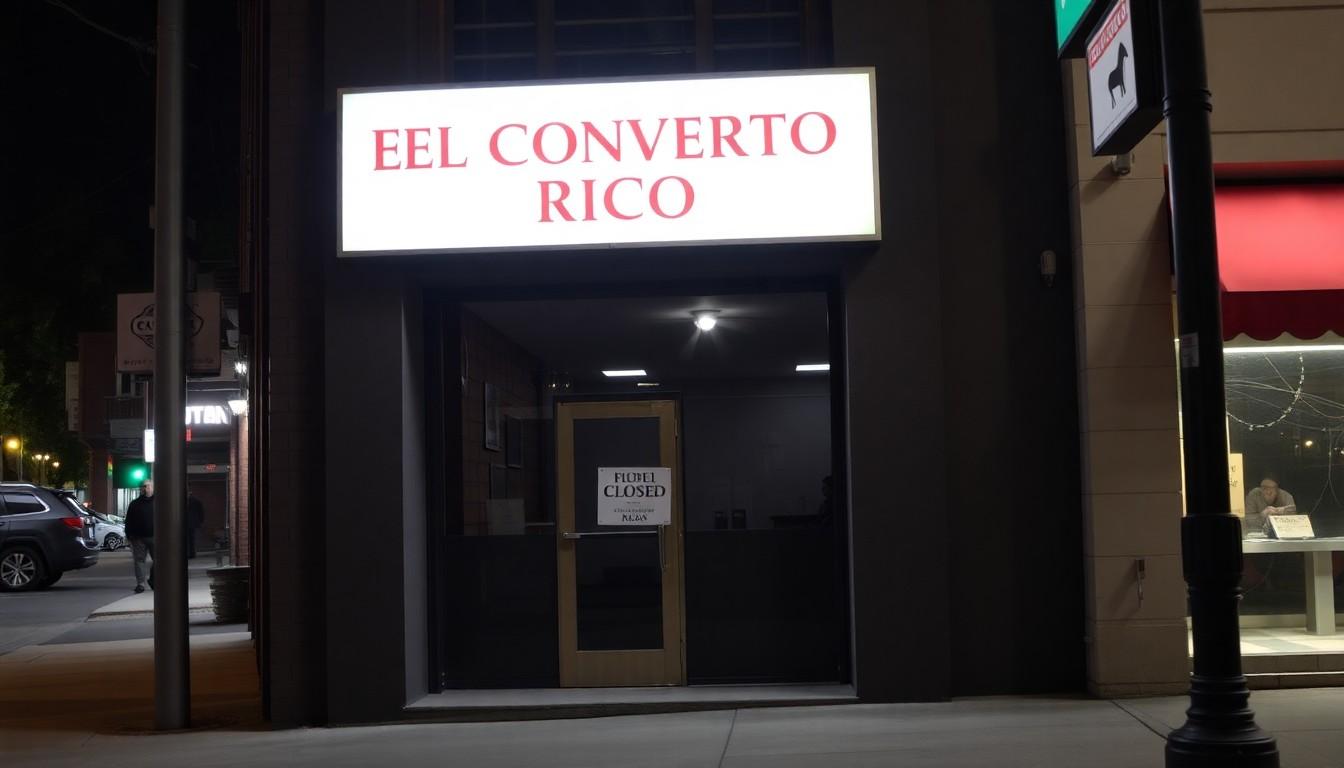
Toronto’s El Convento Rico has suddenly closed after 35 years on College Street, ending a beloved chapter for the city’s Latin and 2SLGBTQ+ nightlife communities. Known for lively music, late-night drag and a welcoming atmosphere, the club’s departure leaves performers and regulars grieving a rare cultural home.
Essential Takeaways
- Sudden closure: El Convento Rico announced it was leaving its 750 College Street location this week.
- Three decades of nightlife: The club opened in 1992 and became a fixture in Toronto’s Little Italy.
- Drag-show legacy: Its midnight performances supported generations of local artists.
- Events cancelled: Booked Friday and Saturday nights will no longer go ahead.
- Community reaction: Performers and patrons have described the closure as a major loss.
A Toronto nightlife landmark goes dark
For many Toronto clubgoers, El Convento Rico wasn't simply somewhere to dance. It was the place where a nervous first performer could find a crowd, a regular could be greeted like family and a late night could stretch towards sunrise under bright lights and louder music.
The club announced its closure late on Thursday, saying circumstances beyond its control had brought an abrupt end to its run at 750 College Street. CityNews reported that the venue had still been advertising upcoming events shortly before the announcement, making the news particularly jarring for ticket holders and the wider community.
Its familiar mix of Latin and Top 40 music helped make the club a distinctive part of Little Italy's evening landscape. For visitors searching for queer nightlife in Toronto, it offered something increasingly precious: a dependable space with its own personality.
Thirty-five years of music, drag and belonging
El Convento Rico opened in 1992 and built its reputation over more than three decades. The venue's long-running midnight drag show became one of its defining features, giving dozens of local performers a platform and audiences a reason to return week after week.
Listings from Toronto nightlife guides describe the club as a restaurant and late-night venue, while event pages show how it remained part of the city's celebration calendar. That combination of food, music, performance and dancing made it feel less like a standard bar and more like a full evening out.
The difference was emotional as much as practical. A club can have a dance floor, a sound system and a drinks menu, but the places people remember are usually the ones where they felt seen.
Why the closure hits queer nightlife especially hard
Canada's Drag Race performer Van Goth said the closure was deeply upsetting, recalling memorable nights and some of her earliest gigs at the venue. She also pointed to wider pressure on nightlife and queer spaces since the pandemic, alongside a difficult political climate.
That context matters. Independent venues often carry the cost of rising overheads, changing customer habits and reduced late-night spending, while queer clubs also provide community services that aren't easily replaced by larger commercial venues.
When one closes, the loss isn't limited to a postcode. Performers lose a stage, audiences lose a ritual and newcomers lose an accessible place to discover the city's queer and Latin cultural scenes.
Ticket holders face cancelled weekend events
The venue had been selling tickets for Friday and Saturday events, both of which have now been cancelled. Anyone holding a booking should check the original ticket seller or payment provider for information about refunds, rather than relying on social media comments or unofficial resale posts.
It's also worth saving confirmation emails, receipts and transaction details. Sudden closures can create confusion, especially when a venue's website and social channels change quickly.
The club's owner hasn't provided further details about what led to the shutdown, according to CityNews. Until more information emerges, patrons should treat any claims about future events or a possible reopening with caution.
What Toronto loses with El Convento Rico
Toronto still has nightlife, but a venue with El Convento Rico's history can't be replaced overnight. Its value came from accumulated memories: first performances, birthday dances, familiar faces at the bar and the particular anticipation before the midnight show.
Older venues also act as informal archives. They preserve musical styles, performance traditions and community connections that rarely survive in written records. When the doors close, a piece of the city's social history can disappear with them.
For now, the strongest response may be to support the performers, promoters and independent venues still creating space across Toronto. The lights at El Convento Rico may have gone out, but the need for welcoming nightlife hasn't.
A beloved stage has closed, but Toronto's queer and Latin nightlife deserves room to keep dancing.
Source Reference Map
Story idea inspired by: [1]
Sources by paragraph:
- Paragraph 1: [2], [4]
- Paragraph 2: [2], [6]
- Paragraph 3: [4], [5]
- Paragraph 4: [3], [7]
- Paragraph 5: [2], [5]
- Paragraph 6: [2], [4]
- Paragraph 7: [2], [6]
- Paragraph 8: [2], [5]
- Paragraph 9: [2], [6]
- Paragraph 10: [2], [3]
- Paragraph 11: [4], [5]
- Paragraph 12: [2], [7]
- Paragraph 13: [2], [4]
- Paragraph 14: [2], [5]
- Paragraph 15: [2], [4]
- Paragraph 16: [2], [7]
- Paragraph 17: [2], [5]
- Paragraph 18: [2], [4]