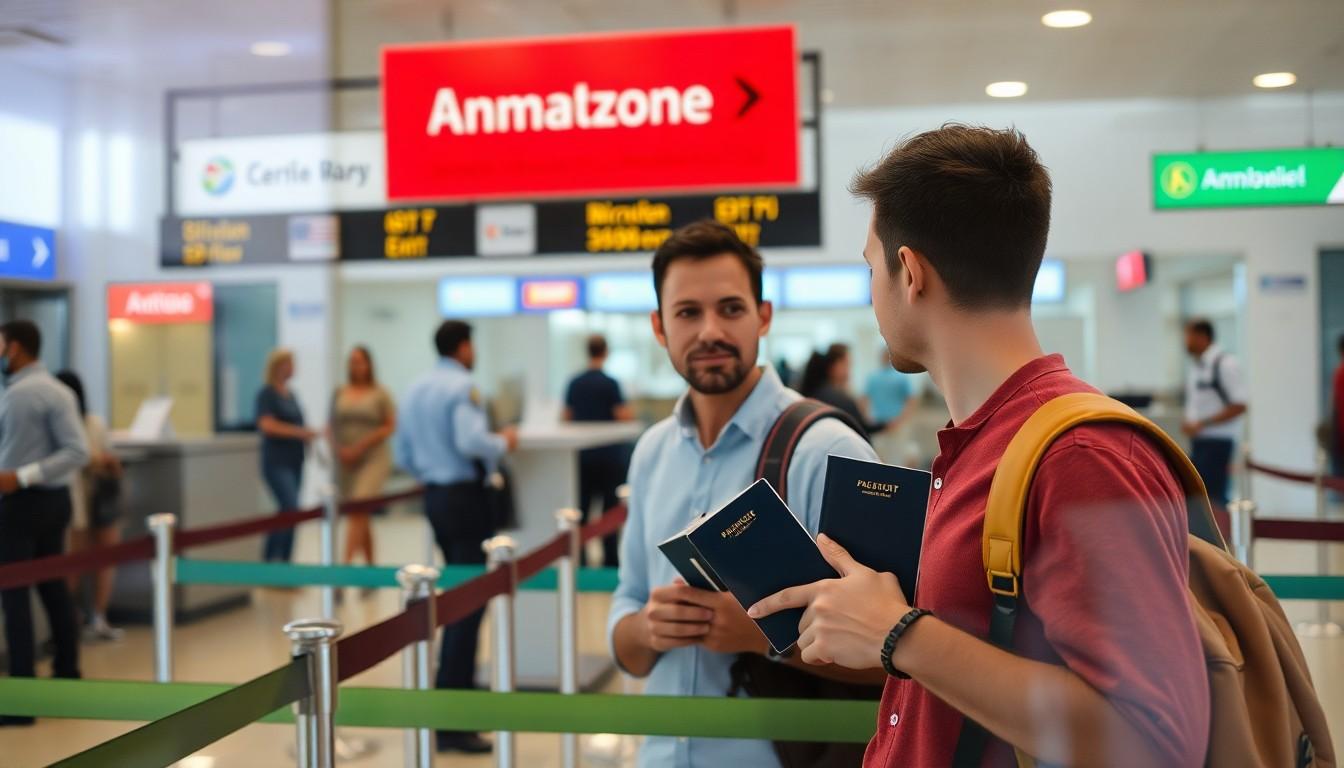
A South African content creator’s account of being stopped at Zanzibar airport has sparked fresh debate about LGBTQ+ travel, Tanzania’s laws and the limits of what’s publicly confirmed. The alleged incident has also thrust Austin Mzukwa’s luxury lifestyle and business ventures back into the spotlight, making this a story about travel, identity and online scrutiny.
Essential Takeaways
- Mzukwa’s account: He says officials questioned him and a male friend after allegedly assuming they were a couple.
- No official confirmation: Tanzanian authorities haven’t publicly confirmed that sexual orientation was the reason for any refusal of entry.
- Legal risk: Same-sex sexual activity is criminalised in Tanzania, while Zanzibar has separate provisions carrying serious penalties.
- Wider attention: The airport claim follows debate about Mzukwa’s Mercedes-Benz purchase, business interests and online lifestyle.
- Travel caution: LGBTQ+ visitors should check current advice, understand local laws and plan discreetly before travelling.
Austin Mzukwa’s Zanzibar story has fuelled a bigger conversation
The sharpest detail in Austin Mzukwa’s story is also the simplest. He says he and a male friend were stopped at Zanzibar airport after officials allegedly believed they were romantically involved. The claim, shared in a social-media video, quickly travelled beyond the airport and into a much wider discussion about safety, privacy and LGBTQ+ travel.
Mzukwa said both men are gay, but that detail doesn’t establish why they were allegedly refused entry. As Bona and Briefly.co.za reported, the account comes from Mzukwa himself, and there has been no public confirmation from Tanzanian officials that their sexual orientation was the stated reason for the decision.
That distinction matters. Airport refusals can involve documentation, immigration concerns or other factors, so it would be premature to treat the alleged explanation as an officially established fact. Still, the story has resonated because it sits against a well-documented legal backdrop.
What Tanzania and Zanzibar’s laws mean for visitors
Tanzania criminalises consensual same-sex sexual activity between men. The US State Department’s human-rights reporting has also described discrimination and risks affecting LGBTQ+ people, including the possibility of arrest and detention.
Zanzibar has its own penal legislation. Human Dignity Trust says the territory criminalises same-sex conduct and certain forms of so-called gross indecency, with severe penalties attached. The organisation also documents enforcement and reported arrests, rather than presenting the laws as merely symbolic.
For travellers, that creates a difficult reality. A sunny beach destination can still have laws and social conditions that feel hostile or unsafe for LGBTQ+ visitors. The warm water and postcard views don't cancel out the need to understand the legal environment before booking a flight.
Why the allegation has travelled so quickly online
The story arrived at a moment when Mzukwa was already attracting attention. Coverage from Mzansi Today Live, Omega TV and Briefly.co.za linked the Zanzibar discussion to his wider online profile, where beauty, fashion and lifestyle content have helped build a sizeable following.
His recent Mercedes-Benz A250 purchase also became a talking point. A lavish reveal, reportedly featuring a floral display costing about R50,000, prompted social-media users to question how he funds the lifestyle shown online.
That combination is tailor-made for the internet: a luxury car, a glamorous public image and a troubling travel claim. But online interest can flatten separate issues into one fast-moving narrative. Questions about wealth aren't proof of wrongdoing, just as a viral airport account isn't the same as an official finding.
Practical advice for LGBTQ+ travellers considering Zanzibar
The first step is to check current government travel advice and reputable LGBTQ+ rights resources before travelling. Human Dignity Trust’s Tanzania profile is useful for understanding the legal framework, while official consular guidance can flag changes in enforcement, entry rules or local conditions.
Travellers should also be cautious about public displays of affection, dating apps, private messages and sharing personal information with strangers. That isn't a judgement on anyone's identity; it's a practical response to a destination where laws criminalise same-sex conduct and reports describe harassment and detention.
Keep important documents secure, make sure someone at home knows the itinerary and consider travel insurance that includes legal or emergency assistance. If immigration officials refuse entry, ask calmly for written reasons where possible and contact your embassy or consulate.
The unanswered questions still matter
At present, the central question remains unresolved: did officials actually deny Mzukwa and his friend entry because they believed they were a couple? The available reports repeat Mzukwa’s allegation but don't provide an independent official account.
That uncertainty shouldn't erase the broader concern. Tanzania’s legal restrictions are documented, and LGBTQ+ travellers have legitimate reasons to think carefully about personal safety, privacy and access to help. As the story develops, any response from Tanzanian authorities could clarify what happened at the airport.
For now, Mzukwa’s account has done something social media often does unexpectedly: it has turned one traveller’s experience into a prompt for a much larger conversation. Many people will be watching not just for the next update, but for clearer guidance about how LGBTQ+ visitors are treated at the border.
It's a reminder that destination research should include human-rights realities, not just beaches and hotel reviews.
Source Reference Map
Story idea inspired by: [1]
Sources by paragraph:
- Paragraph 1: [2], [4]
- Paragraph 2: [3], [5]
- Paragraph 3: [6], [7]
- Paragraph 4: [6], [7]
- Paragraph 5: [2], [3]
- Paragraph 6: [4], [5]
- Paragraph 7: [2], [4]
- Paragraph 8: [3], [5]
- Paragraph 9: [6], [7]
- Paragraph 10: [6], [7]
- Paragraph 11: [6], [7]
- Paragraph 12: [2], [3]
- Paragraph 13: [4], [5]
- Paragraph 14: [6], [7]
- Paragraph 15: [2], [3]
- Paragraph 16: [4], [5]
- Paragraph 17: [6], [7]
- Paragraph 18: [2], [3]
- Paragraph 19: [4], [5]
- Paragraph 20: [6], [7]