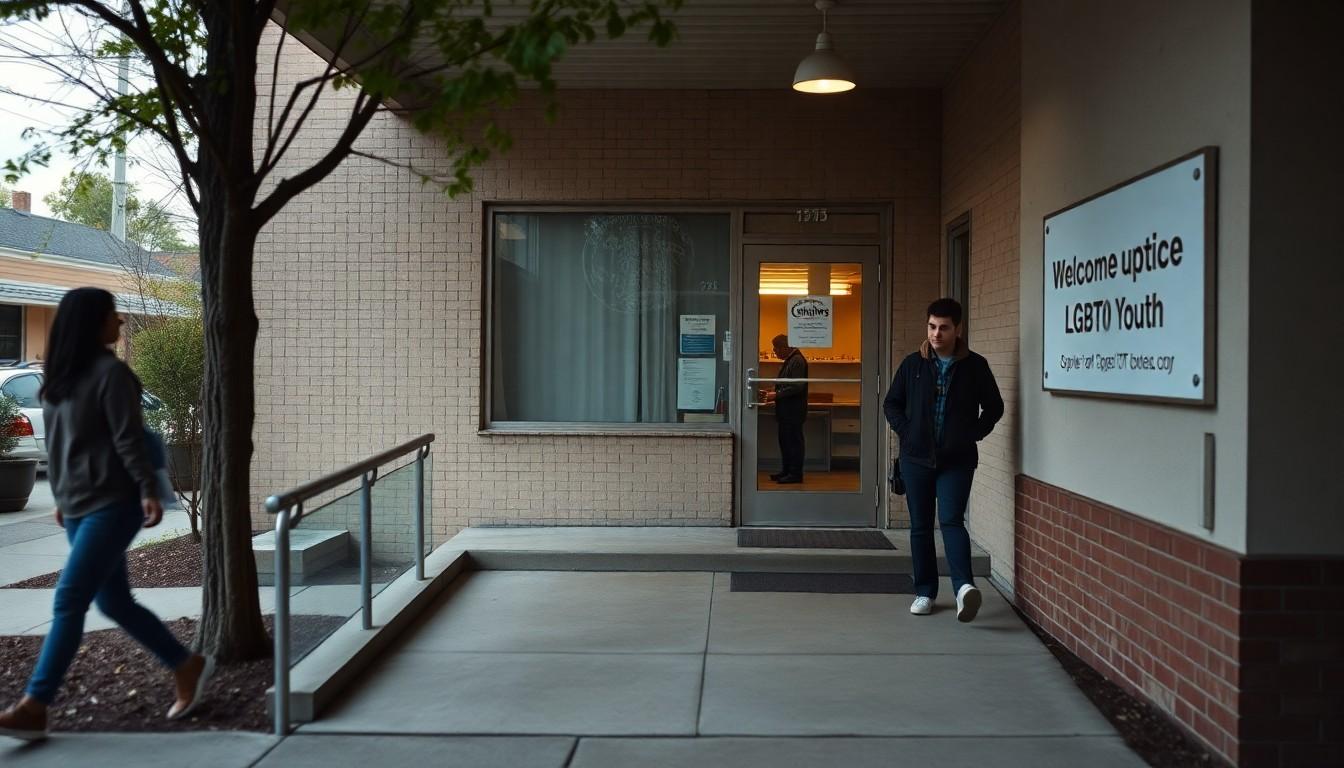
LGBTQ+ young people in the US can once again call or text 988, then press 3, to reach specialised crisis support. The service returned on 30 September 2026 after a 14-month pause, giving families, teachers and friends a clearer route to trained help when distress becomes overwhelming.
Essential Takeaways
- Press 3 is back: Call or text 988, then choose option 3 for LGBTQ+ youth support.
- The pause lasted 14 months: The specialised menu option ended in July 2025 and returned in September 2026.
- Help remained available: General 988 support, web chat and independent LGBTQ+ crisis services continued throughout.
- Funding is in place: Congress directed $33.1 million towards restoring the dedicated service.
- Urgent danger needs emergency help: Call 911 or go to the nearest emergency department if someone is at immediate risk.
A direct route to trained support is available again
The return of 988 Press 3 gives LGBTQ+ young people a simpler way to find support that understands the pressures they may face. A call or text to 988 remains free, while online chat is available through the 988 Lifeline website.
For someone in crisis, even a small barrier can feel enormous. Having a clearly labelled option may make it easier to stay on the line, start typing or ask for help before things escalate.
NAMI welcomed the restoration, describing specialised support as an important part of making the national crisis system responsive to different communities. The organisation also stressed that anyone can contact 988, including parents and carers seeking advice. (NAMI)
Why did the service disappear in the first place?
Press 3 launched in 2022 as a dedicated pathway within the 988 Suicide and Crisis Lifeline. It was later discontinued in July 2025, although callers could still reach the wider 988 network and other LGBTQ+ organisations remained available.
Congress subsequently required the specialised option to return through the fiscal 2026 spending law. The legislation included $33.1 million for Press 3 and broader funding for the 988 system, turning a political promise into a formal requirement. (Baldwin Senate office)
That delay frustrated advocates, particularly as crisis contacts have continued to grow. Reports from Wisconsin and elsewhere point to heavier demand for phone and text support, suggesting that accessible, specialist routes aren't a luxury. They're part of a service people may need at a very difficult moment. (Spectrum News 1)
The Trevor Project remains available, but isn't running Press 3
The Trevor Project helped establish the original specialised service, but it isn't operating the restored Press 3 pathway. The organisation said its own 24-hour crisis services remain open to LGBTQ+ young people, offering phone, text and online chat support.
That distinction matters. The return of Press 3 doesn't replace existing services, so young people and families now have several possible starting points. The Trevor Project can be reached by phone on 1-866-488-7386, by texting START to 678-678, or through its online help service. (The Trevor Project)
Public information about which crisis centres now answer Press 3 contacts remains limited. Families may reasonably want to know who is on the other end, what training they receive and whether the service is available to every LGBTQ+ young person. Those operational details are likely to attract closer attention as the programme settles in. (Los Angeles Times)
How parents and friends can respond without making things worse
Warning signs can include withdrawing from friends, losing interest in familiar activities, speaking about hopelessness or feeling like a burden, and sudden changes in sleep or mood. None of these signs proves that someone is suicidal, but they are good reasons to begin a quiet, direct conversation.
Try a private setting and simple language. Ask how the young person is coping, listen without rushing to correct them, and avoid turning the conversation into an argument about identity or behaviour. You don't need a perfect speech; steady attention is often more useful than a polished one.
Parents, teachers and friends can contact 988 themselves for guidance, even if the young person isn't in immediate danger. Disability and LGBTQ+ support groups have also encouraged adults to use crisis services as a source of practical advice rather than waiting until a situation becomes visibly urgent. (Northwest Center for Independent Living)
What happens next for 988 Press 3?
The restoration is welcome, but it isn't the final chapter. Advocates will be watching for clearer information about the organisations answering contacts, the scope of the service and how the federal funding is being used.
The wider 988 network is also facing rising demand. NAMI and other mental health groups have argued that reliable funding, properly trained staff and equitable access are essential if the service is to remain more than a memorable phone number. (NAMI)
For now, the key instruction is refreshingly straightforward: call or text 988, then press 3. If someone is in immediate danger, call 911 or seek emergency medical care instead.
A familiar number, a trained voice and one less hurdle can make a meaningful difference.
Source Reference Map
Story idea inspired by: [1]
Sources by paragraph: