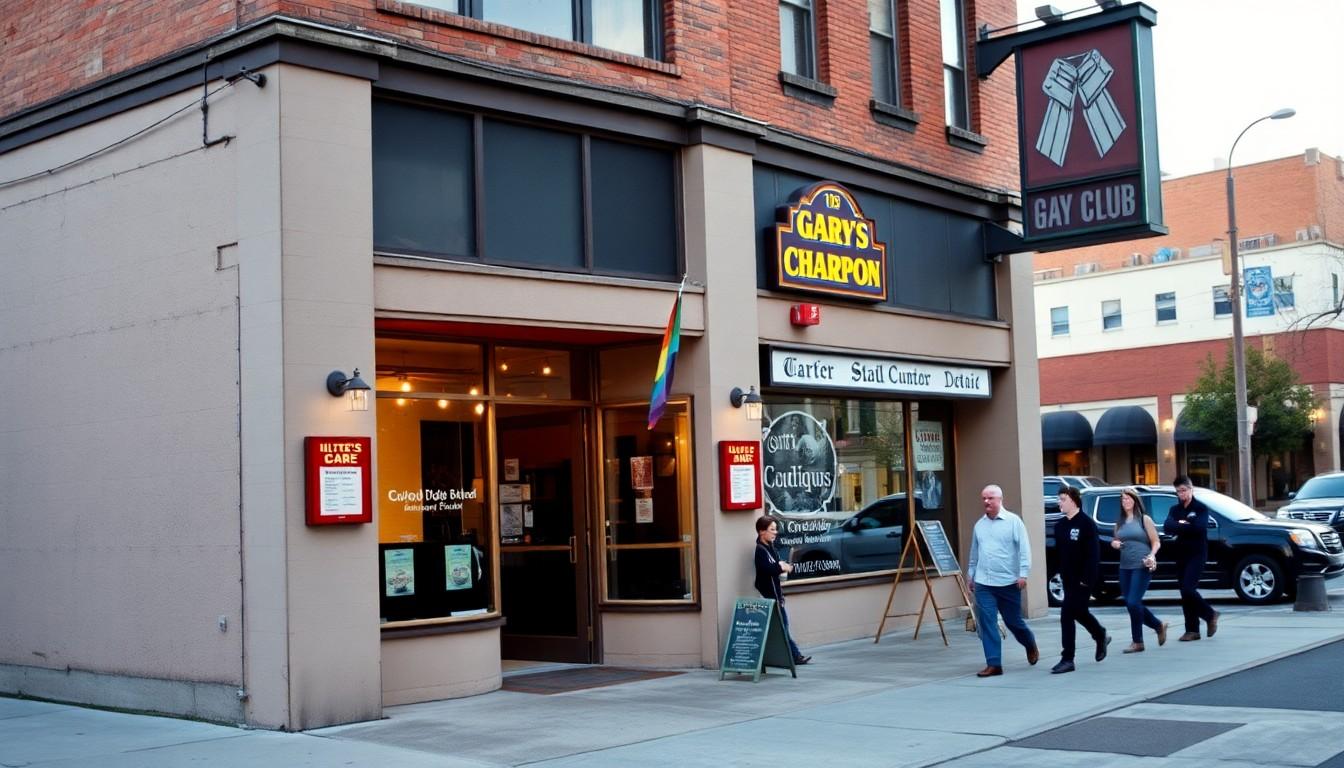
Visitors to Jackson, Mississippi, may see today’s LGBTQ+ venues as part of a modern nightlife scene, but their roots run deep. For more than five decades, bar owner Jack Myers helped create welcoming spaces where queer people could meet, dance and feel protected in a state that often made visibility difficult.
Essential Takeaways
- A long-running legacy: Jack Myers became one of Jackson’s best-known gay bar operators from the early 1970s onwards.
- Spaces of safety: His venues used clear house rules, door staff and off-duty police officers to help protect customers.
- A wider history: Jackson had gay-friendly bars, clubs and meeting places before Myers opened his first venue.
- More than nightlife: These clubs offered community, recognition and a rare chance to be openly social.
- The story continues: Myers’ name remains linked to efforts to create refuge and support for LGBTQ+ people in Mississippi.
Jackson’s gay bar history began before the headline names
The most important detail in Jack Myers’ story is also the one he was keen to correct. Although some newspaper coverage presented him as the first person to run a gay bar in Jackson, he rejected that claim. The city’s queer nightlife existed long before his own businesses, often in discreet or unofficial forms.
In the 1960s, gay people found welcome in a patchwork of places, including the Sportsman’s Lounge, the Walthall Hotel and venues where owners quietly made it clear that harassment wouldn’t be tolerated. Some were openly gay, while others were simply friendly enough for customers to relax. That distinction mattered in a city where public visibility could carry real risks.
The Washington Post later described Jackson’s gay nightlife as operating in a particularly hostile environment, yet the scene was never entirely absent. It was there in back rooms, converted houses, restaurants and small clubs, held together by familiarity and trust.
From small lounges to proper dance floors
Myers’ first bar arrived in the early 1970s, after years spent working in radiology and moving between Mississippi, Memphis and elsewhere. His businesses grew alongside Jackson’s nightlife, shifting from modest lounges to larger venues where music, dancing and live entertainment took centre stage.
Mae’s Cabaret, Jack and Jill’s, Bill’s Disco and the Interchange each formed part of that changing landscape. The names and addresses may blur with time, especially as buildings burned, changed hands or disappeared, but the pattern is clear. Customers wanted somewhere they could dance without pretending to be someone else.
That was especially significant for people who had few other social options. A large dance bar wasn’t just a commercial opportunity. It became a public statement, even when everyone involved understood that discretion was still essential.
Why security and house rules mattered
Running an LGBTQ+ venue in Jackson demanded more than a licence and a sound system. Myers recalled police scrutiny, questions about performances and the need to reassure officers that drag shows were entertainment rather than the scandal some had been led to expect.
His clubs also employed off-duty city police officers, whose presence acted as a powerful deterrent. In practice, a uniform at the door could change the atmosphere instantly. It told troublemakers that the venue wasn’t undefended, while giving customers a little more confidence as they stepped inside.
There was a practical side to this arrangement too. Businesses hiring officers had to carry liability insurance and include the police department on the policy. It’s a small administrative detail, but it shows how much effort went into making these spaces function safely.
The door was a line between danger and belonging
One of the most striking details from Myers’ recollections concerns the welcome at the entrance. His parents helped run the door, telling unfamiliar visitors plainly that they were entering a gay bar and were welcome, provided they behaved respectfully.
That directness was more than good customer service. It established the rules before anyone crossed the threshold. For LGBTQ+ customers, it could also offer an unusual sense of certainty: this was a place where they didn’t need to guess whether they belonged.
In an era when public figures and closeted customers often travelled to New Orleans or other cities to avoid recognition, Jackson’s venues offered a more complicated kind of refuge. People could find community close to home, even if they still had to watch who was looking.
A legacy that reaches beyond nightlife
The history of Jackson’s gay bars is easy to reduce to nostalgia, but that would miss the point. These venues helped build social networks, preserve local memory and give people somewhere to gather during decades when mainstream institutions rarely offered affirmation.
Today, projects connected to Myers’ name aim to extend that spirit beyond the dance floor. A reported house opening as a refuge for LGBTQIA+ people suggests a continuing need for practical support, not simply celebration.
The buildings may have changed, and some venues now survive only in photographs and stories. Still, the underlying idea remains surprisingly durable: a safe room, a friendly door and the knowledge that someone has made space for you can be quietly revolutionary.
It's a reminder that community history is often built one welcoming doorway at a time.
Source Reference Map
Story idea inspired by: [1]
Sources by paragraph:
- Paragraph 1: [5], [6]
- Paragraph 2: [2], [3]
- Paragraph 3: [4], [5]
- Paragraph 4: [5], [6]
- Paragraph 5: [3], [4]
- Paragraph 6: [5], [6]
- Paragraph 7: [5], [6]
- Paragraph 8: [3], [4]
- Paragraph 9: [5], [6]
- Paragraph 10: [2], [5]
- Paragraph 11: [6], [5]
- Paragraph 12: [2], [3]
- Paragraph 13: [4], [6]
- Paragraph 14: [5], [6]
- Paragraph 15: [2], [3]