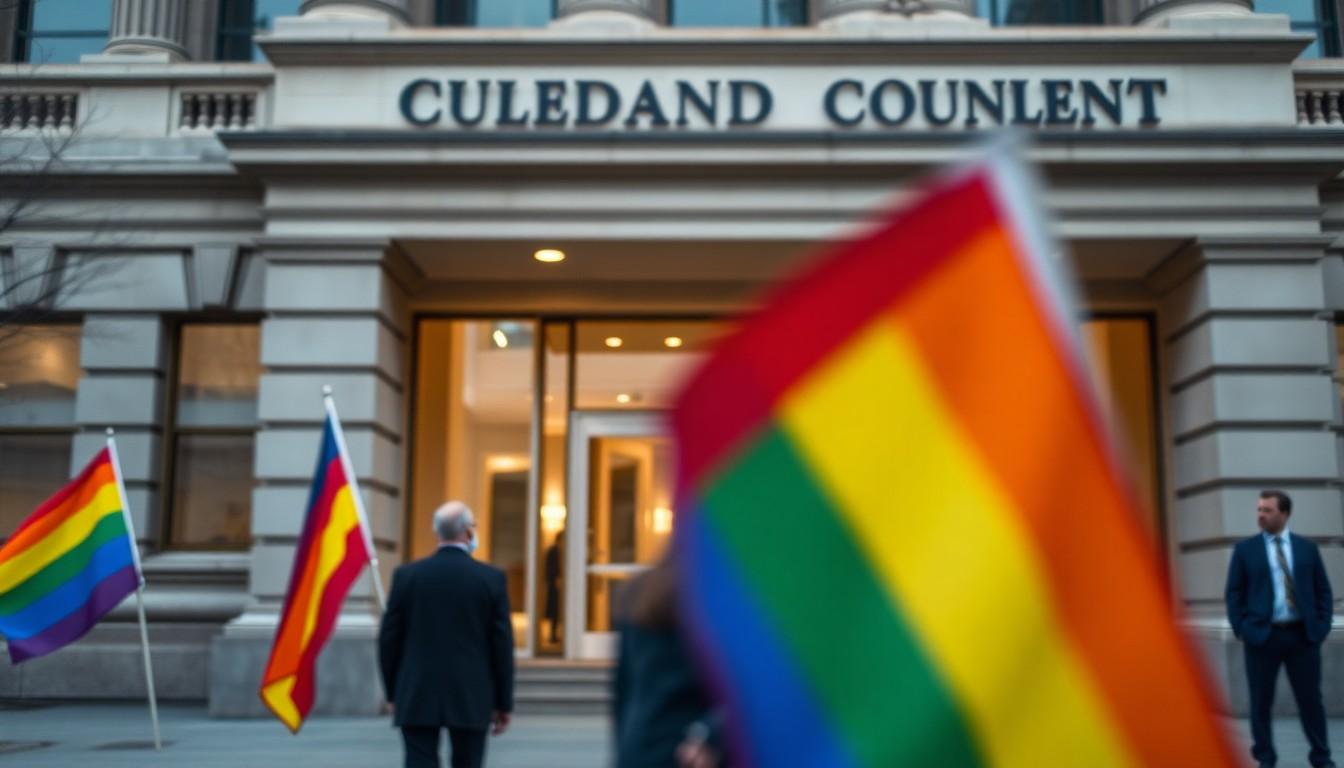
More than 60 House Democrats are urging the Trump-Vance administration to challenge Turkey's escalating anti-LGBTQ crackdown, after raids, arrests and restrictions targeted community groups, journalists and HIV services. The appeal puts diplomatic pressure on Washington while international officials and European governments also call for the release of detainees.
Essential Takeaways
- A sizeable congressional appeal: 65 House Democrats signed a letter calling for direct US action.
- Raids targeted LGBTQ groups: Turkish authorities detained people linked to advocacy organisations and HIV/AIDS services.
- Journalists were also detained: Reporters were taken into custody during a protest outside an Istanbul courthouse.
- International concern is growing: The UN and several European governments have criticised the crackdown.
- Washington has stayed quiet: The White House hasn't publicly addressed Turkey's actions.
Democrats press Washington to confront Turkey
The strongest message from Capitol Hill is also the simplest: silence isn't enough. In a letter to Secretary of State Marco Rubio, 65 House Democrats called for the US to raise the arrests directly with Ankara and press for the release of people detained over peaceful human rights work, according to Representative Yassamin Ansari's office.
The lawmakers also asked the US embassy in Ankara to monitor related court proceedings. That's a practical request, but it carries symbolic weight too. For people facing prosecution, knowing foreign diplomats are watching can offer a measure of protection in an increasingly tense climate.
Their appeal follows raids that Turkish authorities carried out against LGBTQ organisations, activists and HIV/AIDS service providers. The lawmakers said the developments threaten freedom of expression, association and peaceful assembly, according to the Washington Blade.
What happened during the Istanbul protests?
The crackdown became especially visible on 15 September, when journalists and protesters were detained outside an Istanbul courthouse. They had gathered to object to the wider raids and to the government's "My Family Is Safe" campaign, according to the Associated Press.
That combination, targeting both civil society groups and people documenting the response, has sharpened international concern. A protest that should have been noisy, public and ordinary instead became another point of detention. It's a grim reminder of how quickly civic space can shrink.
The Council for Global Equality later helped organise a demonstration outside the Turkish Embassy in Washington. Advocacy groups say the arrests aren't isolated incidents, but part of a broader effort to make LGBTQ organising more difficult and more dangerous, Turkish Minute reported.
UN and European governments add pressure
The US lawmakers' intervention comes as criticism builds beyond Washington. UN High Commissioner for Human Rights Volker Turk referred to Turkey during a UN LGBTI Core Group event held alongside the General Assembly, Turkish Minute reported.
That detail matters because the United States withdrew from the Core Group after the Trump-Vance administration took office. The absence has made the question of American leadership particularly visible, especially while other governments continue to use public diplomacy to challenge restrictions on LGBTQ rights.
Envoys from six European countries have also joined the backlash, according to Turkish Minute. Their involvement suggests Turkey is facing a widening diplomatic response rather than criticism from a single government or campaign group.
Why the arrests matter beyond LGBTQ rights
The dispute isn't only about identity or community organisations. At its heart are basic rights that underpin any functioning democracy: the ability to organise, report, protest and provide support without being treated as a criminal act.
The crackdown also has a public-health dimension. HIV/AIDS service groups often provide testing, information and practical support to people who may already struggle to access mainstream healthcare. Disrupting that work can leave vulnerable people isolated, anxious and less likely to seek help.
The pro-Kurdish DEM Party has warned that the anti-LGBTQ campaign undermines wider peace efforts, Turkish Minute reported. That connection is telling. When governments use pressure against one part of civil society, trust can weaken across the political landscape.
What could happen next?
The House Democrats want the State Department to use every available diplomatic channel, including direct discussions with Turkish officials. They also want Washington to press for the immediate release of those detained for legitimate human rights activity and to oppose attempts to criminalise LGBTQ organisations.
Whether the administration responds publicly remains unclear. The White House hasn't issued a public comment on the crackdown, while the lawmakers' letter gives the State Department a clear set of requests and a visible measure of congressional backing.
For activists, diplomats and families watching the cases, the next stage will likely be measured in court hearings, embassy statements and whether detained people are released. A strong international response won't solve the crisis overnight, but it can make these abuses harder to carry out quietly.
The pressure is growing, and the question now is whether Washington chooses to add its voice.
It's a small diplomatic step on paper, but a potentially important signal to Turkey's LGBTQ community.
Source Reference Map
Story idea inspired by: [1]
Sources by paragraph: