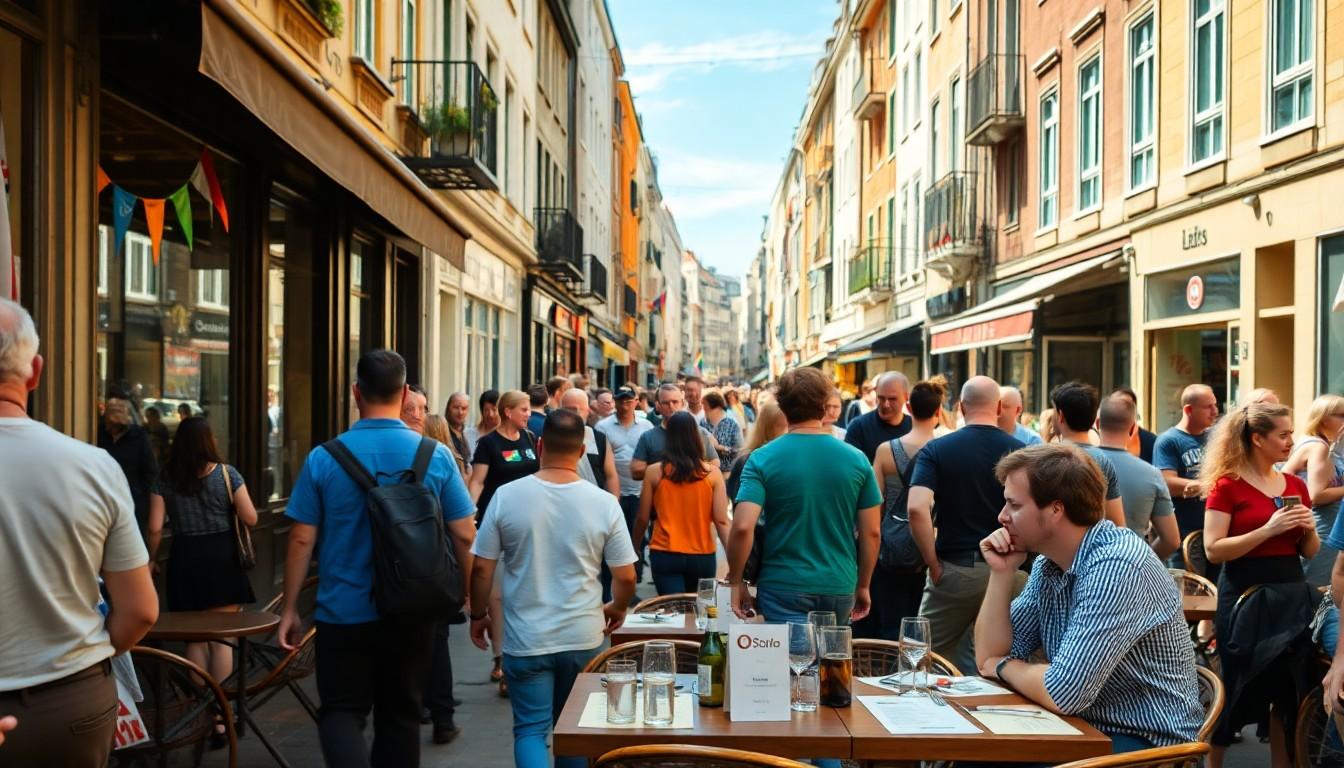
Shoppers are turning into city-break planners as Amsterdam, Madrid, London and Cologne attract more than six million Pride visitors, creating an estimated EUR403 million in tourism spending. The figures show why these celebrations matter beyond the parade route, supporting restaurants, hotels and transport while signalling which destinations feel genuinely welcoming to LGBTQ+ travellers.
Essential Takeaways
- Six million visitors: Four European Pride destinations accounted for the overwhelming majority of attendance across their wider national markets.
- Restaurants lead spending: Almost 60p in every euro went towards catering and restaurants, giving local dining businesses a sizeable boost.
- London stands out financially: Pride visitors who travelled specifically for the event generated an estimated EUR86.2 million in extra spending.
- Amsterdam made the biggest event impact: WorldPride 2026 generated around EUR78.5 million in additional tourist expenditure.
- Cologne proves size isn't everything: A compact programme attracted roughly 1.2 million people and delivered an outsized share of spending.
Four cities are setting the pace for European Pride travel
Amsterdam, Madrid, London and Cologne have emerged as the standout European Pride destinations, drawing more than six million visitors between them. According to The Data Appeal Company and Queer Destinations, the four cities captured 92% of Pride attendance and related tourist spending across the Netherlands, Spain, the UK and Germany. [2], [3]
That is a striking concentration, but it makes sense. Each city combines a recognisable LGBTQ+ identity with excellent transport, a deep hospitality scene and a programme large enough to turn a local celebration into a proper holiday reason. The result is a Pride trip that feels less like a single day out and more like a city break with a colourful centrepiece. [4], [6]
Why Pride spending flows straight into restaurants
Restaurants and catering absorbed almost six in every ten euros linked to the celebrations. In Madrid, dining represented 61% of additional spending, while London reached 62%; Cologne followed at 58%. [2], [6]
That pattern offers a useful reminder for travellers weighing up a Pride weekend. The parade may be the visual headline, but the economic story unfolds over brunches, late dinners, hotel bars and quick meals between events. It also explains why Pride can benefit a broad mix of local businesses rather than only the organisers or venues directly involved. [3], [7]
Amsterdam and Madrid turn major events into longer stays
Amsterdam's WorldPride year delivered an estimated EUR78.5 million in additional tourist spending, with its festivals responsible for 77% of the event-related total. The city's international profile clearly helped turn the celebration into a major travel draw. [2], [4]
Madrid, meanwhile, attracted more than two million people to MADO, or Madrid Orgullo. The event has become a destination attraction in its own right, encouraging visitors to stay longer and spend across accommodation, restaurants and transport. Analysis reported by Spanish outlets put restaurants first, with hotels taking 20% and transport 19%. [5], [6]
For visitors, that means booking early matters. Popular Pride cities can fill quickly, and staying slightly outside the busiest central areas may offer better value without cutting you off from the action. Check late-night transport before choosing a hotel, particularly if your plans extend beyond the main parade. [6], [7]
London's high prices bring high visitor spending
London attracted more than one million Pride visitors, while travellers who came specifically for the event generated an estimated EUR86.2 million in extra tourism expenditure. Catering took the largest slice at 62%, followed by transport at 21% and accommodation at 17%. [2], [6]
Higher prices help explain the strong value, but they don't make the capital an automatic bargain. Visitors looking for the best Pride city break deals should compare accommodation locations, allow for transport costs and reserve restaurants well ahead of time. London's sheer choice is a strength, although it can also make planning feel like a small event in itself. [3], [7]
Cologne shows that a focused programme can work
Cologne hosted fewer than 1% of the events counted across the four destinations, yet attracted an estimated 1.2 million people and accounted for 14% of additional Pride-related tourism spending. Its performance suggests that a tightly organised programme can be more powerful than an endless calendar of activities. [2], [4]
The lesson is useful for both organisers and travellers. A clear cluster of events, easy movement around the city and a strong sense of place can create momentum without overwhelming visitors. As the report argues, destinations that make people feel welcomed and valued are more likely to build lasting appeal, not just a one-weekend spike. [2], [7]
Pride travel is therefore becoming part of a wider conversation about inclusive tourism. A lively atmosphere matters, but so do visible welcome, practical safety, accessible transport and businesses that understand their LGBTQ+ guests. For many travellers, that combination is what turns a memorable celebration into a city they want to revisit. [3], [6]
It's a small shortlist with a big message: welcoming cities can make every Pride celebration count.
Source Reference Map
Story idea inspired by: [1]
Sources by paragraph: