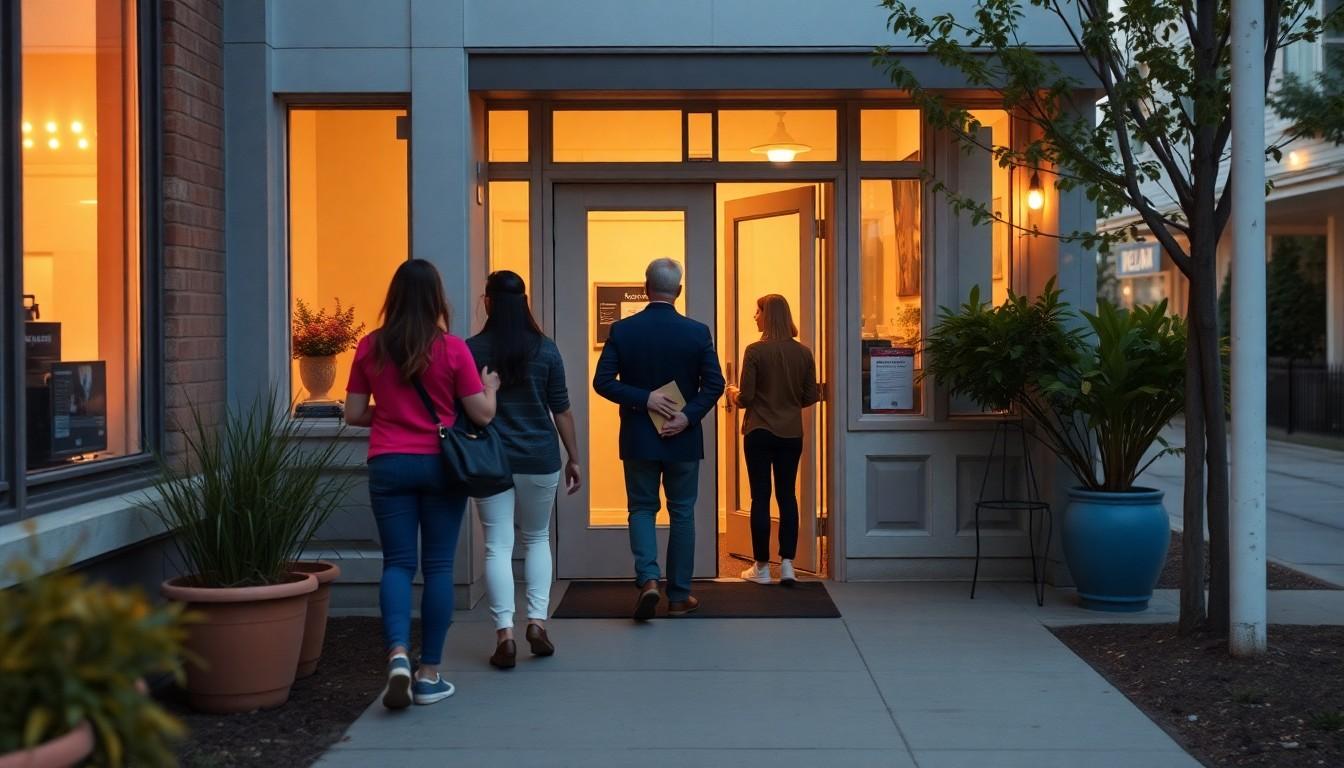
A therapist’s reflection on hummingbirds, human connection and Christian hospitality offers a powerful reminder: LGBTQ+ people need more than tolerance. They need belonging, safety and a genuine welcome, especially in communities where isolation can carry devastating consequences.
Essential Takeaways
- Connection is protective: Supportive relationships can help buffer loneliness, rejection and despair.
- LGBTQ+ people face higher risks: Public-health research links discrimination and stigma with poorer mental-health outcomes.
- Hospitality is practical: Welcoming language, safe spaces and dependable support can make a real difference.
- Small actions matter: Listening without judgement is often more useful than offering quick answers.
- Help should be immediate: Anyone worried about suicide should contact emergency services or a crisis support line without delay.
The quiet danger of feeling alone
A hummingbird normally treats its feeder like private property, darting at rivals with furious confidence. Yet, as migration approaches, several birds may gather around the same source of food. The scene is tiny, but the lesson feels enormous: survival can change the way a creature understands its neighbours.
Human beings don't get the luxury of going it alone. From infancy onwards, we depend on other people for care, reassurance and a sense that we belong somewhere. The World Health Organization describes suicide as a major public-health issue, with prevention requiring action across families, communities and wider society.
For LGBTQ+ people, that need for connection can collide with rejection, stigma and discrimination. The CDC says these social pressures can contribute to health disparities, including mental-health difficulties and suicidal behaviour.
Why LGBTQ+ belonging matters
The most painful part of many LGBTQ+ experiences isn't simply uncertainty about identity. It's the fear of what acceptance, or the lack of it, might mean at home, at church, at work or among friends. A person may know who they are and still wonder whether the people around them will make room for that truth.
Research reviewed by the National Alliance on Mental Illness points towards a familiar pattern: LGBTQ+ people are not inherently destined for poor mental health, but minority stress and hostile environments can raise the risk of depression, anxiety and suicidal thoughts. In other words, the burden is often created by the conditions around a person.
That distinction matters. It moves the conversation away from asking what's wrong with LGBTQ+ people and towards asking what communities are doing to make life safer and more liveable.
Hospitality is more than a warm welcome
In Christian language, the word stranger can also carry the meaning of guest. That small shift in emphasis changes the emotional temperature of the conversation. A stranger is someone we might keep at arm's length; a guest is someone whose presence deserves care.
The parable of the sheep and the goats gives hospitality a distinctly practical shape. Feeding the hungry, welcoming the outsider and caring for the vulnerable aren't decorative virtues. They're tests of how seriously people take compassion.
So welcoming LGBTQ+ people can't stop at a polite slogan on a poster. It might mean challenging a cruel joke, using someone's name and pronouns, checking in after a difficult conversation, or making sure a community's rules don't quietly exclude them. These are ordinary actions, but ordinary actions are how belonging becomes visible.
What supportive communities can do now
Start with listening. People don't always need a debate, a theological lecture or an instant solution. They may need someone calm enough to hear their fear without turning it into an argument.
Next, make support dependable. A welcoming congregation, school, workplace or family should offer clear routes to pastoral care and professional mental-health help. The CDC highlights the importance of supportive environments, while the WHO stresses that suicide prevention works best when warning signs are taken seriously and help is accessible.
If someone talks about wanting to die, treat it as urgent rather than dramatic. Stay with them if it is safe, remove immediate dangers where possible, and contact emergency services or a crisis line. Compassion isn't a substitute for specialist care, but it can be the bridge that helps someone reach it.
A wider lesson in survival
Debates about suicide rates across countries often focus on healthcare, access to means, social safety nets and cultural attitudes. Analyses by Psychology Today and The Guardian show how complicated those comparisons are, and why no single explanation can account for every difference between the United States and Europe.
Still, one point remains hard to dismiss: social conditions shape individual wellbeing. People are more likely to cope when they have somewhere to go, someone to call and confidence that they won't be punished for telling the truth.
Perhaps that's the most useful lesson from the hummingbirds. They don't become less territorial because the world has suddenly become gentle. They gather because survival demands a different response. Human communities can choose that response too.
Welcoming every guest is a small act with life-saving potential.
Source Reference Map
Story idea inspired by: [1]
Sources by paragraph: