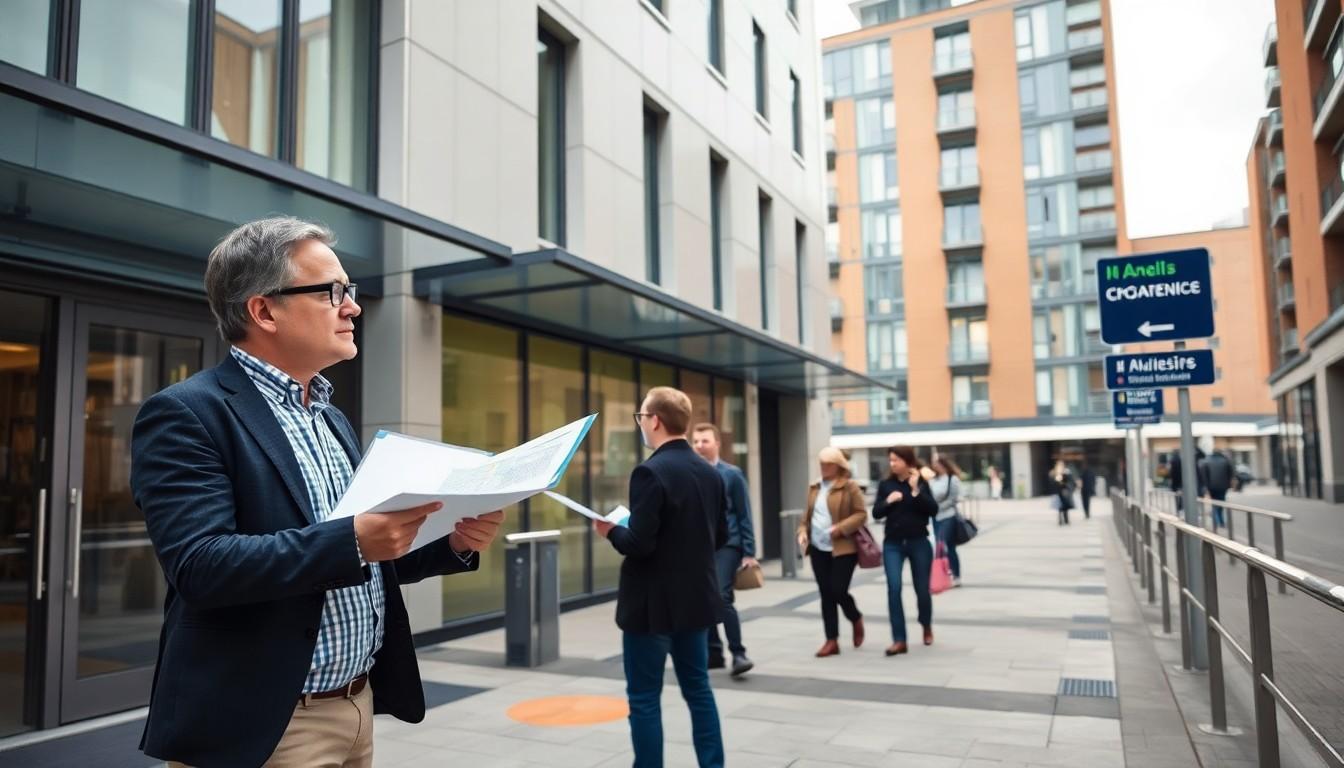
RIBA is inviting LGBTQIA+ architects across the UK to submit everyday projects for Proud architecture, a new exhibition planned for LGBT+ History Month in February 2027. From student work to major studios, the open call aims to show the breadth of architecture created by LGBTQIA+ professionals, without forcing it into a single visual or political category.
Essential Takeaways
- Open to all career stages: Part 2 students, emerging practices, established architects and larger studios can apply.
- Architecture comes first: RIBA wants housing, schools, workplaces, healthcare, cultural buildings, public spaces, retrofit and restoration projects.
- No single identity brief: Submitted work doesn't need to explore LGBTQIA+ themes or communities.
- A broad exhibition format: Drawings, photography, models and other project material may be included.
- More opportunities may follow: Selected contributors could take part in talks, events and digital content around the exhibition.
RIBA is asking a deceptively simple question
The most interesting part of Proud architecture is what it doesn't demand. Applicants aren't being asked to produce work about queer identity, LGBTQIA+ history or community space. Instead, RIBA wants to see the ordinary, ambitious and often unseen projects designed by LGBTQIA+ architects. Bustler's competition listing describes a broad call spanning housing, education, healthcare, culture and public space. [3]
That approach gives the exhibition a refreshingly practical focus. It suggests that visibility doesn't always need a special theme or an explanatory label. Sometimes it's simply about showing who helped design the places people use every day. [2]
From Part 2 students to major studios
The call is deliberately wide-ranging. A Part 2 student with a developing portfolio could sit alongside an emerging practice, an established architect or a larger studio. That spread matters because professional visibility can arrive unevenly, particularly for people at the beginning of their careers. [3]
RIBA's wider diversity work has increasingly used exhibitions, events and public-facing programmes to bring different experiences into the profession's conversation. Its LGBTQ+ resources and activities point towards a longer-running effort rather than a one-off celebration. [5]
For students and smaller practices, that could make the opportunity especially appealing. A carefully selected project, clearly presented, can say a great deal about a designer's thinking without requiring a lengthy career history.
This isn't a search for one kind of LGBTQIA+ architecture
There won't be a prescribed style to chase. RIBA says the exhibition isn't intended to define what LGBTQIA+ architecture should look like, but to ask what architecture produced by LGBTQIA+ architects looks like in practice. That distinction leaves room for very different scales, materials and approaches. [2]
A restored civic building, a compact housing scheme and a speculative student project might appear side by side. The contrast could be the point. Earlier RIBA programmes have explored LGBTQ+ visibility through exhibitions and student-focused work, showing how varied the profession's stories can be. [7]
It's also a useful counter to the idea that identity must be visible in the finished building. An architect's influence can sit in the planning, detailing, collaboration and long-term care of a project, even when the final result looks entirely conventional.
What should applicants consider before submitting?
A strong submission will probably need to make the project legible quickly. Clear photographs, well-edited drawings, a concise explanation and evidence of the applicant's role could matter as much as the project's headline ambition. For practices with a large portfolio, choosing one project with a strong story may be wiser than sending everything. [3]
Applicants should also think about how their work communicates beyond architectural shorthand. The exhibition is expected to bring together drawings, images, models and other material, so a project with a tactile or visual hook could have particular impact in a gallery setting. RIBA's exhibition programme shows an interest in presenting architecture through more than finished photographs alone. [6]
The practical details should be checked carefully through the official open-call information before preparing material. Requirements, deadlines and selection arrangements can change, and early-career applicants may want to allow time for portfolio editing, permissions and image credits.
Why the 2027 exhibition could matter
Proud architecture is planned for February 2027, as part of RIBA's LGBT+ History Month programme. That timing places contemporary architectural practice within a wider story about recognition, contribution and belonging. [4]
The exhibition could also help shift the conversation from who is represented in architecture to what those architects are actually making. That's a small but meaningful change in emphasis. After all, professional visibility is strongest when people are seen not only as part of a community, but as contributors shaping the streets, schools and homes around us.
For LGBTQIA+ architects, the open call offers a chance to put everyday work on the record. For visitors, it promises a more grounded view of the profession, one built from real projects rather than assumptions about what identity ought to look like. [5]
It's a welcome invitation to show the work behind the label.
Source Reference Map
Story idea inspired by: [1]
Sources by paragraph: