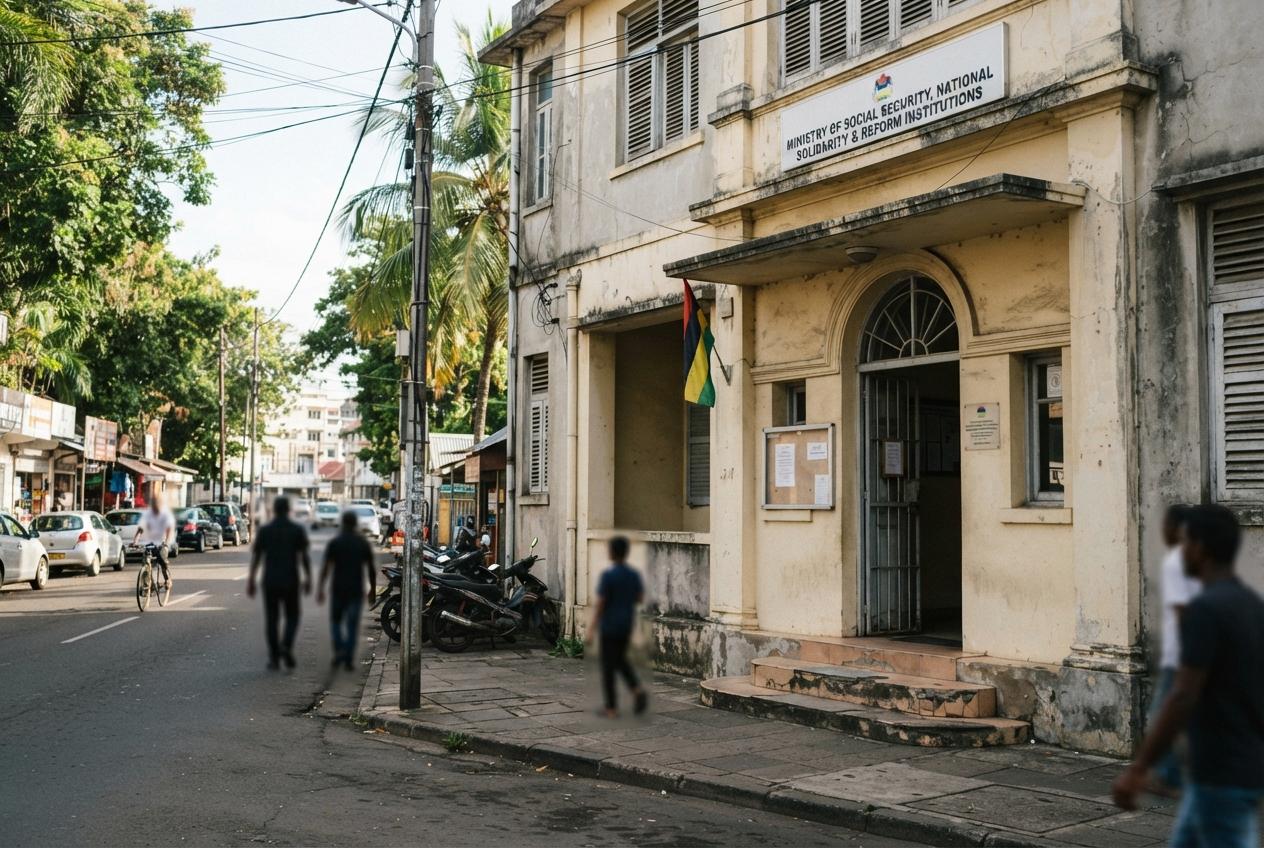
Activists in Mauritius are pressing for same-sex civil marriage after the country’s human rights commission found no explicit legal ban on such unions. With international backing now behind OUT Moris and allied groups, the campaign is urging ministers to address possible discrimination while protecting religious organisations’ freedom to set their own ceremonies.
Essential Takeaways
- A legal opening: The National Human Rights Commission found no clear statutory ban on same-sex marriage.
- International backing: The Peter Tatchell Foundation is supporting OUT Moris and other campaigners.
- Civil, not religious, marriage: Advocates are calling for equal state recognition, not compulsory religious ceremonies.
- A wider rights debate: The campaign follows Mauritius’s recent progress on LGBT+ legal equality.
- Next step: Activists want structured talks involving government, rights bodies and civil society.
A human rights campaign reaches a critical point
Mauritius’s same-sex civil marriage campaign has gained momentum after the National Human Rights Commission concluded that existing law does not expressly prohibit marriage between two people of the same sex. That finding has given campaigners a significant point of leverage, because it suggests the obstacle may lie in administrative practice rather than a direct legislative ban. According to Mamba Online, the decision has energised activists seeking a clear route towards marriage equality. [5]
The immediate concern is the Civil Status Office’s refusal to recognise same-sex couples, which campaigners say could amount to discrimination based on sexual orientation. It’s a technical-sounding dispute with very real consequences: whether couples can access the same legal security, family recognition and official status as everyone else. Mauritius News reported that the issue has become a prominent test of the country’s commitment to equal treatment. [3]
Why international support matters
The Peter Tatchell Foundation has backed OUT Moris, Young Queer Alliance, Collectif Arc-en-Ciel and other organisations calling for reform. The support adds an international voice to a campaign led by Mauritian activists, while keeping the focus on domestic law and the experiences of couples living in the country. The foundation’s own statement described the push as a matter of equal civil rights rather than special treatment. [2]
Pliny Soocoormanee, the foundation’s executive officer and a Mauritian living in England, has a personal connection to the issue. He entered a civil partnership in the United Kingdom with his partner, Jayraj Juggessur, but says that relationship isn’t currently recognised in Mauritius. That contrast neatly captures the problem facing couples whose legal status can change dramatically when they cross a border. Scene Magazine highlighted Soocoormanee’s role in the renewed call for reform. [6]
Civil marriage and religious freedom can coexist
Campaigners have been careful to distinguish civil marriage from religious ceremonies. Their argument is that the state should provide the same legal framework to all couples, while faith communities should remain free to decide which ceremonies they conduct. That distinction matters in Mauritius, a country where religious and cultural identities sit close to public life.
The Peter Tatchell Foundation has said no religious institution should be forced to conduct a ceremony that conflicts with its beliefs. At the same time, it argues that religious doctrine shouldn’t determine whether the state grants equal civil rights. Urania Institute’s coverage framed the debate around that same balance between freedom of religion and equality before the law. [7]
Mauritius’s legal landscape is already changing
The marriage campaign follows a broader shift in Mauritius’s treatment of LGBT+ rights. In 2023, the Supreme Court struck down the criminalisation of consensual same-sex relations, a ruling welcomed by the United Nations Development Programme as an important step towards equality and human dignity. That judgment changed the legal backdrop, even though decriminalisation didn’t automatically deliver equal marriage rights. [4]
For campaigners, the sequence is significant. Removing criminal penalties addressed one form of state discrimination; marriage recognition would address another, particularly in areas such as inheritance, medical decisions and family life. The progress also explains why activists see the NHRC’s latest conclusion as a moment that requires a government response rather than quiet administrative delay. [4]
What happens next for marriage equality?
The campaign is calling for serious talks between the government, OUT Moris, Young Queer Alliance, Collectif Arc-en-Ciel, the NHRC and wider civil society. A formal dialogue could clarify whether the government intends to amend legislation, issue administrative guidance or seek a court ruling on the scope of existing law. Mamba Online reported that campaigners view this as an opportunity to turn the commission’s conclusion into practical change. [5]
The central question is now less about whether same-sex couples deserve equal recognition and more about how Mauritius will deliver it. Any reform will need to be legally robust, publicly explained and sensitive to the country’s plural identity. For couples waiting for certainty, though, the desired outcome is refreshingly straightforward: the same rights, on the same terms.
Equal civil recognition could become the next major milestone in Mauritius’s LGBT+ rights story. [4]
Source Reference Map
Story idea inspired by: [1]
Sources by paragraph: