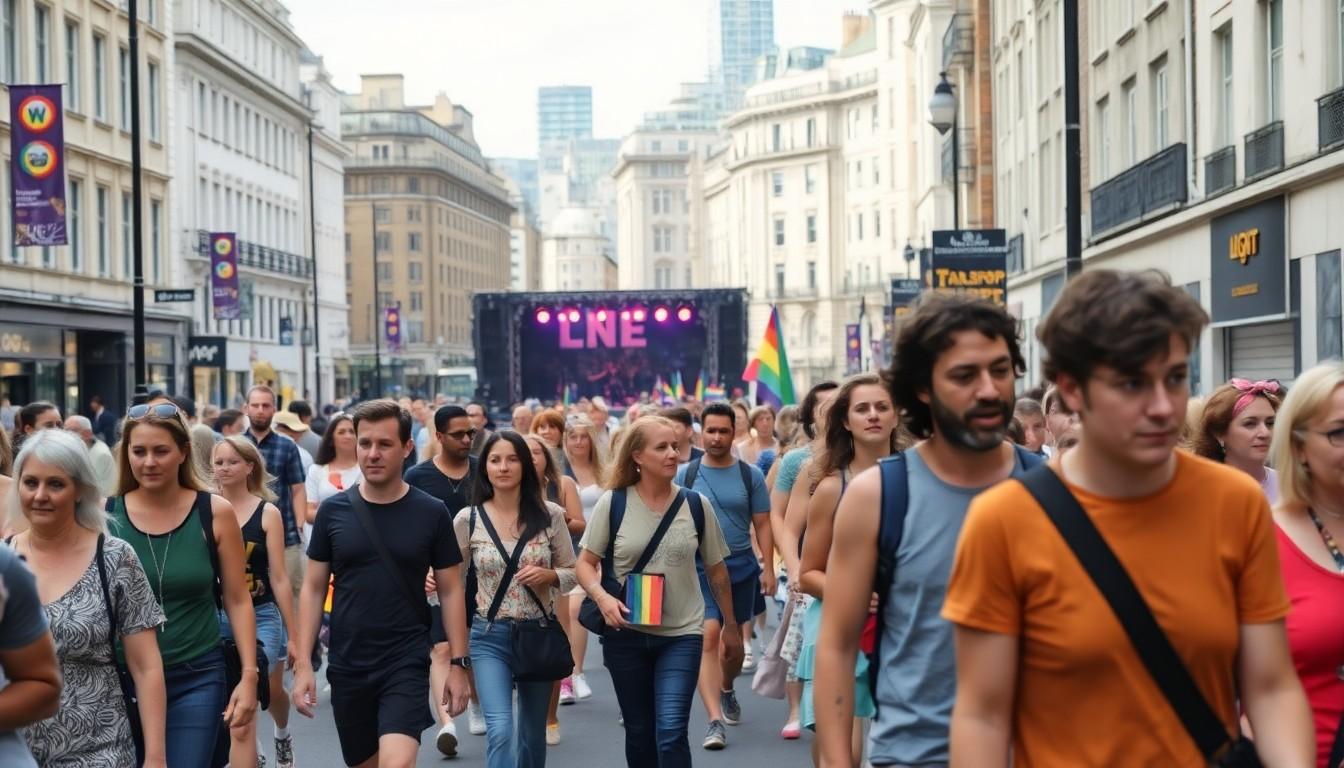
Pride in London will return on Saturday 3 July 2027, giving LGBTQ+ communities, allies and visitors plenty of time to plan for one of the capital's biggest free celebrations. Following a huge 2026 event, organisers are expected to reveal details on applications, volunteering, stages and participation in the months ahead.
Essential Takeaways
- Save the date: Pride in London 2027 is scheduled for Saturday 3 July.
- A huge turnout: The 2026 celebration drew around 1.8 million spectators and 25,250 parade participants.
- More than a parade: Six stages hosted performers and speakers across central London.
- Plans are still coming: Parade applications, volunteering and participation details will be announced later.
- A serious purpose: The event continues to spotlight allyship, trans rights and rising anti-LGBTQ+ hate.
London Pride 2027 has an official date
The diary-friendly news is finally here: Pride in London 2027 will take place on Saturday 3 July. That gives visitors, community groups and businesses a useful head start, particularly those travelling into the capital or hoping to join the parade rather than watch from the sidelines.
Pride in London is free to attend, but the scale of the occasion means planning matters. Central streets become busy quickly, public transport can feel packed and the best viewing spots tend to disappear well before the first procession arrives. Visit London lists the celebration among the capital's major annual events, making it one to watch when organising a summer weekend away. [4]
For now, organisers haven't released the full programme. Details about parade applications, volunteering opportunities, stages and ways to participate are expected over the coming weeks and months, so prospective attendees should keep an eye on official updates rather than relying on old schedules. [2]
Why the 2026 celebration set a high bar
Pride in London 2026 brought approximately 1.8 million spectators and 25,250 people into the parade, creating a colourful, noisy and distinctly joyful presence across the city. The event took place on Saturday 4 July under the theme "Many Voices. One Front", which focused on solidarity between generations within the LGBTQ+ community.
Six stages added to the sense that this was far more than a procession passing through central London. Trafalgar Square hosted headline performances from MNEK and Gossip's Beth Ditto, alongside rising performer Meek and speakers representing different parts of the community. ITV's coverage also highlighted the event's broad public reach and its importance in London's summer calendar. [3]
That scale can be thrilling, but it can also be overwhelming. If you're attending with friends, choose a meeting point away from the busiest streets, carry water and agree what to do if phone signals become unreliable. A little preparation leaves more room for the good stuff: music in the distance, bright flags overhead and that unmistakable communal buzz.
The parade's message remains sharply relevant
Pride's celebratory side is important, but the 2026 event also arrived amid concern over trans rights, anti-LGBTQ+ hate crime and the disappearance of queer venues. That tension gave the day an emotional edge, with celebration and protest sharing the same streets.
London Mayor Sadiq Khan told Attitude that people in positions of power shouldn't use the trans community as a "political football". He also stressed the value of allyship and described LGBTQ+ communities standing together as central to the year's theme. [2]
That message is likely to remain part of the conversation in 2027. Pride works best when the glitter and the politics aren't treated as opposites: one creates visibility and joy, while the other keeps attention on the rights and safety issues that brought people together in the first place.
How to plan for Pride in London 2027
The most useful first step is to decide what sort of day you want. Parade spectators may prefer a central viewing position, while families, first-time visitors and anyone seeking a calmer experience could look for stage events or community activities away from the densest crowds.
Londonist's practical guide to Pride in London recommends checking the latest route, transport advice and event information before travelling, as road closures and station changes can affect even familiar journeys. Comfortable shoes are a sensible choice too. Pride is a walking event in every sense, and stylish footwear can become a surprisingly painful souvenir. [6]
If you want to participate officially, wait for the 2027 application information rather than assuming last year's arrangements will carry over. Groups should also consider accessibility, stewarding, rest breaks and how they'll support members who may find large crowds difficult. The NHS East London Foundation Trust's account of its Pride involvement underlines how workplaces and organisations can take part in a visible, supportive way. [5]
Expect more details as the summer approaches
The announcement gives the 2027 celebration a clear anchor, but the shape of the event will emerge gradually. Organisers still need to confirm applications, performers, speakers, stages, volunteering and practical guidance, while visitors will want to know the route and transport arrangements closer to the date.
Other UK Pride organisers are also looking ahead to 2027, with events such as Liverpool Pride discussing new approaches centred on community involvement. That wider shift suggests audiences increasingly want celebrations that feel locally rooted, representative and useful beyond one spectacular day. [7]
For London, the challenge will be balancing enormous public demand with the personal, community-led spirit that makes Pride meaningful. After such a substantial 2026 turnout, expectations will be high, but the most memorable moments may still be the simplest ones: a shared chant, a supportive stranger or a flag lifted above the crowd.
Mark 3 July 2027 now, then watch for the practical details that will turn the date into a plan.
Source Reference Map
Story idea inspired by: [1]
Sources by paragraph: