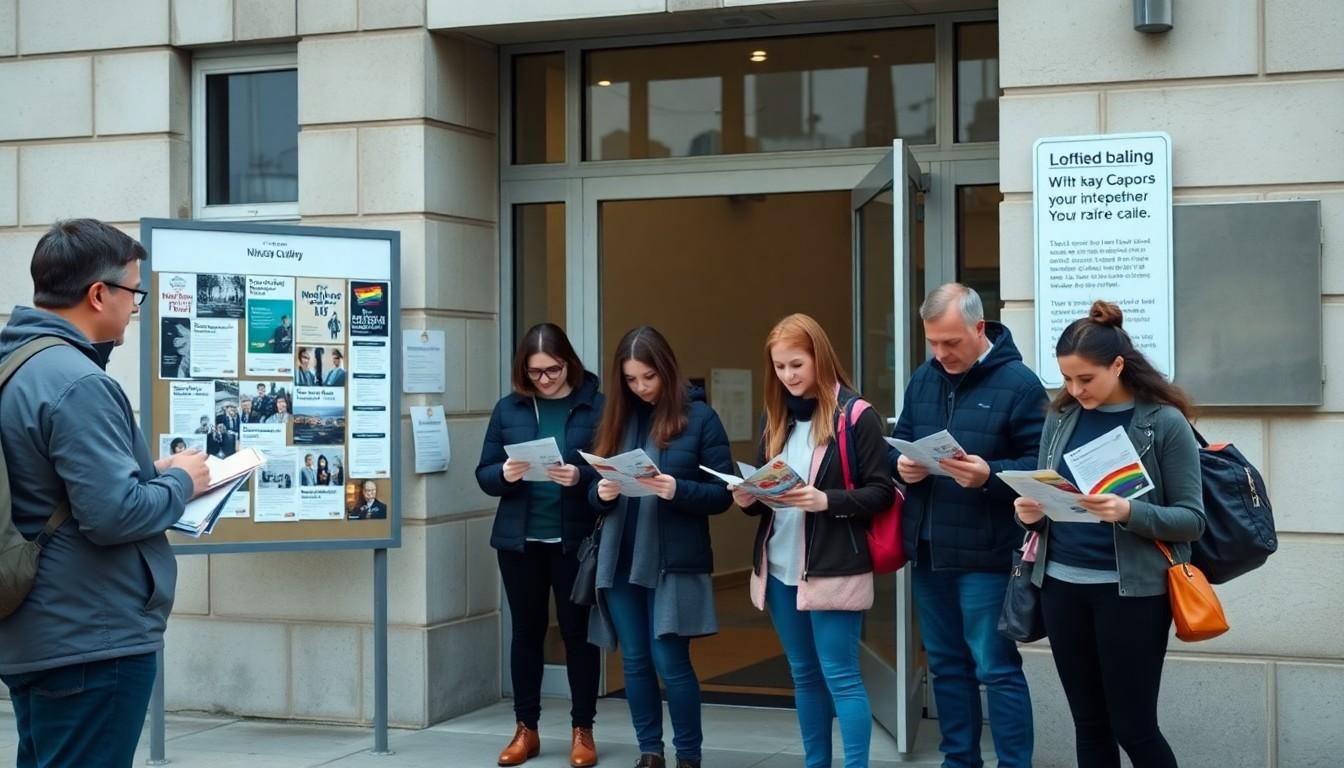
PFLAG National's Fighting For Our Pride campaign has been recognised in three Shorty Award categories, spotlighting a digital push that turns personal stories, local organising and online engagement into practical LGBTQ+ advocacy across the United States.
Essential Takeaways
- Three nominations: The campaign is shortlisted for Civic Engagement, LGBTQ+ and Youth & Family.
- Local action matters: PFLAG provides guidance for town halls, school boards, lawmakers and community meetings.
- Wide-ranging focus: The work addresses book bans, gender-affirming care and LGBTQ+ dignity in public life.
- Digital reach: The campaign reportedly reached 74,000 users and generated more than 8,500 social media engagements.
- Public voting: People can vote through the Shorty Awards website until 13 October.
A campaign built for action, not just applause
PFLAG National's Fighting For Our Pride campaign has picked up three nominations at the Shorty Awards, which celebrate creative work in social media and digital content. The nods recognise the campaign's presence in civic engagement, LGBTQ+ advocacy and youth and family communications.
That combination feels significant. Rather than treating online awareness as the finish line, PFLAG has used its campaign to help people take the next step, whether that's contacting an elected representative, speaking at a school board meeting or sharing a personal experience. PFLAG's campaign materials set out practical ways for supporters to participate.
The approach also reflects a broader shift in advocacy. A polished social post may catch attention, but a clear script for an email or a confident voice at a town hall can carry an issue into the rooms where decisions are made.
Why local LGBTQ+ organising remains central
PFLAG has more than 360 chapters across the country, giving the national campaign a distinctly local feel. Its resources encourage community members to connect personal stories with specific policy concerns, making advocacy feel less abstract and more grounded in daily life.
According to PFLAG's campaign information, the initiative has focused on access to books, gender-affirming healthcare and full recognition and dignity for LGBTQ+ people in public life. Those issues can look different from one state or school district to another, but the need for organised community responses remains familiar.
For people new to activism, that practical emphasis matters. Knowing what to say, whom to contact and how a public meeting works can make the difference between wanting to help and actually showing up.
From digital engagement to SXSW EDU
The campaign has also reached beyond traditional advocacy channels. PFLAG brought its message to SXSW EDU with a panel on LGBTQ+ access to books, moderated by journalist Nikole Hannah-Jones and featuring author Casey McQuiston, PFLAG National chief executive Brian K. Bond and American Library Association president Sam Helmick.
The event linked online campaigning with a live conversation about education, libraries and representation. PFLAG's wider communications strategy was designed to introduce the campaign's rallying cry to audiences beyond its established supporter base.
That matters because cultural conversations often shape political ones. A discussion about which books young people can read may begin in a classroom or library, but it quickly touches questions of belonging, safety and whose stories are considered acceptable.
The numbers behind the campaign
PFLAG says its online outreach reached 74,000 users, with a 35.4 per cent email open rate and a 2.4 per cent click-through rate. Its social media activity generated more than 8,500 engagements, suggesting that the campaign prompted measurable interaction rather than simply passing through people's feeds.
Those figures don't tell the whole story, of course. Advocacy is difficult to measure neatly, particularly when a digital message leads to a private email, a conversation with a councillor or a first visit to a local meeting.
Still, the results show why charities are investing in campaigns that blend clear information with emotional storytelling. The strongest work tends to offer both: a reason to care and a simple way to act.
How supporters can take part
Public voting remains open until 13 October through the Shorty Awards website. Supporters can back PFLAG in the three categories where Fighting For Our Pride has been nominated.
For anyone inspired by the campaign, the most useful starting point may be closer to home. Check your local PFLAG chapter, find out which issues are being discussed by your school board or state lawmakers, and use the organisation's guidance before making contact.
As Katie Blair, PFLAG's vice-president of advocacy, told The Advocate, voting for LGBTQ+ causes can be a useful rehearsal for civic participation. It's a neat reminder that public engagement isn't reserved for experts. Sometimes it starts with one message, one meeting or one determined conversation.
It's a small digital vote, but the campaign's bigger message is about turning solidarity into local action.
Source Reference Map
Story idea inspired by: [1]
Sources by paragraph:
- Paragraph 1: [2], [3]
- Paragraph 2: [3], [4]
- Paragraph 3: [4], [7]
- Paragraph 4: [3], [4]
- Paragraph 5: [3], [5]
- Paragraph 6: [5], [6]
- Paragraph 7: [3], [4]
- Paragraph 8: [3], [4]
- Paragraph 9: [2], [4]
- Paragraph 10: [2], [3]
- Paragraph 11: [2], [4]
- Paragraph 12: [2], [3]
- Paragraph 13: [2], [4]
- Paragraph 14: [2], [7]