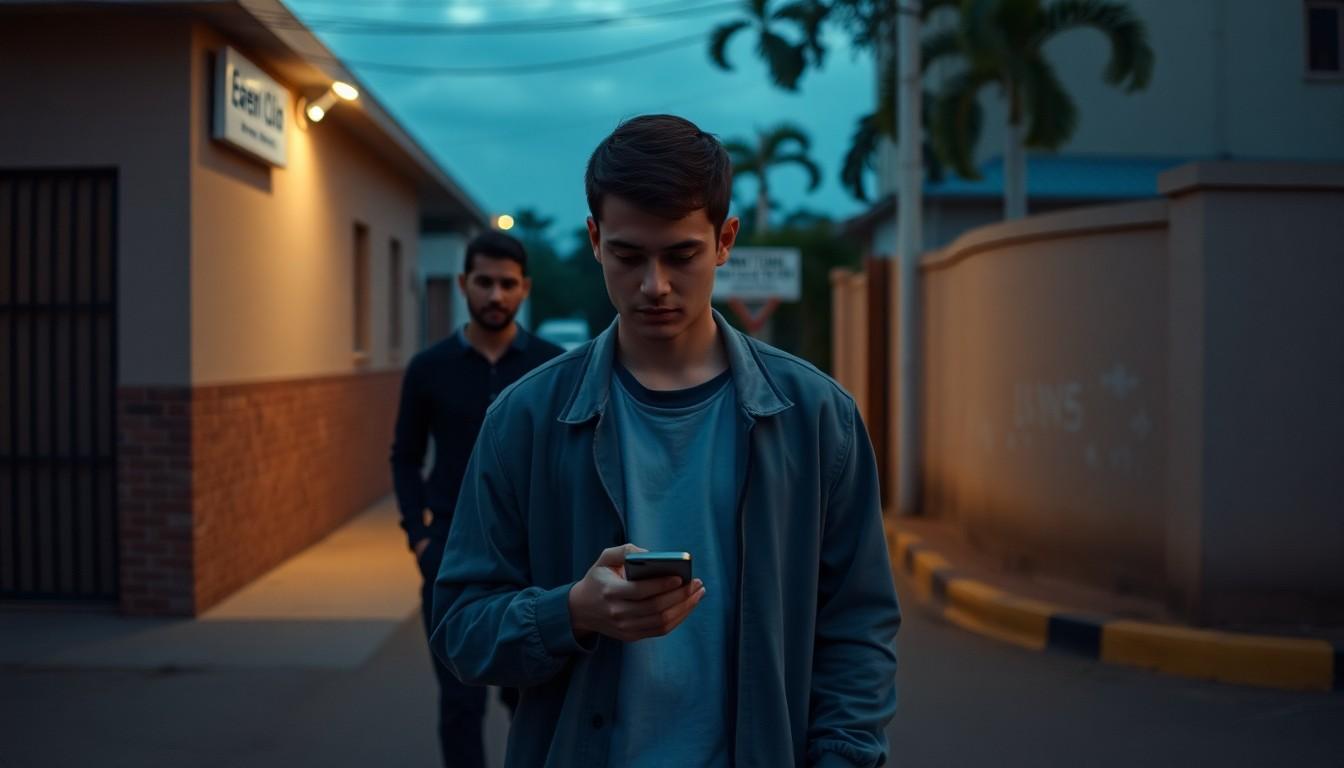
Young gay men in Nairobi are finding connection on Grindr, but dating in a criminalised and deeply watchful environment can make intimacy feel both precious and perilous. One personal story captures the tenderness, deception and emotional aftershocks behind discreet meetings, while wider research shows why online queer spaces matter - and why they can also expose users to risk.
Essential Takeaways
- Grindr can be a lifeline: For some gay men, the app offers rare access to conversation, recognition and community.
- Privacy shapes dating: Faceless profiles, discreet venues and hidden meetings reflect genuine safety concerns, not simply personal preference.
- Intimacy and risk overlap: Research links app-based queer dating with body pressure, harassment and other forms of vulnerability.
- Small gestures carry weight: A brief kiss or careful conversation can feel profound when public affection isn't safe.
- Trust needs evidence: Consistency, clear communication and sensible boundaries matter, especially when money and secrecy enter the picture.
When a dating app becomes a place to be seen
The most striking detail in this Nairobi gay dating story isn't the app itself. It's the emotional hunger behind it: the desire to be met as a whole person rather than reduced to a photograph, a body or a quick proposition.
For a medical trainee working punishing hours, Grindr became a doorway into a social world that exhaustion and secrecy had otherwise narrowed. The platform offered possibility, but it also demanded interpretation. With many profiles hiding faces, a short message or a carefully chosen phrase could become the first clue to someone's character.
That tension is familiar across queer dating apps. Reporting by Le Monde on Grindr and young gay men's sexuality describes a culture shaped by idealised bodies, sexual expectations and, in some cases, violence. The app can create access, but access isn't the same as safety or emotional availability.
Nairobi dating means reading the room
Public affection remains complicated for many queer people in Kenya. A couple may share a look, walk close together or find a shadowed corner, while avoiding the gestures that heterosexual partners can take for granted. The result is an odd emotional geography, where a quiet street or private cafe can feel more significant than a grand romantic setting.
Research published through the National Library of Medicine has examined how stigma and social conditions affect sexual health and wellbeing among men who have sex with men. The broader lesson is clear: when people have to conceal relationships, ordinary dating decisions become entangled with security, housing, family and work.
That doesn't make queer affection less real. If anything, it can sharpen the meaning of small acts. A hand briefly touching another hand, a patient conversation or a kiss offered without pressure may carry the emotional force of a much larger declaration.
The tenderness is real, but so is the danger
The story's early romance has an appealing softness. Two strangers meet after a long hospital shift, discover an easy rhythm and find a moment of calm away from Nairobi's noise. There is no need to overstate it: sometimes a first date is simply lovely, and that can be enough.
But the later deception changes how we read the encounter. A hidden partner, conflicting explanations and the quiet movement of money transform romance into a lesson in uneven trust. The betrayal isn't only personal. It grows in an environment where secrecy is normalised and people may maintain separate versions of their lives.
Studies indexed by PubMed and research in the International Journal of STD and AIDS have explored the links between digital dating, sexual health, stigma and vulnerability. Their relevance extends beyond one app or one city. Online platforms can help people find partners and support, yet the same privacy that protects users can also make deception harder to detect.
How to date more safely on queer apps
No checklist can remove the risks of dating under criminalisation, but a few habits can help. Start with a public meeting place, tell someone you trust where you're going and avoid letting a new connection control your transport, accommodation or spending. If a person repeatedly asks for cash, fuel money or urgent help before trust has formed, pause.
Pay attention to patterns rather than charm. Does the person answer straightforward questions? Are their stories consistent? Do they respect a no, accept your pace and show interest outside sex or financial favours? A warm message is encouraging, but reliability is what earns confidence.
It also helps to protect your digital footprint. Be cautious about sharing workplace details, private photographs or information that could identify your home. Grindr and similar apps can be useful, but they aren't substitutes for judgement, support networks or local knowledge.
What queer dating in Nairobi tells us about belonging
The story ultimately resists a simple verdict on Grindr. It isn't portrayed as purely liberating or wholly destructive. Instead, it becomes a mirror for the conditions around it: loneliness, desire, youth, secrecy, unequal power and the stubborn need to be recognised.
Recent reporting in El Pais on LGBTQ+ life and religious spaces in Kenya also points to a society where hostility and welcome can exist side by side. That contradiction matters. Queer people aren't only surviving discrimination; they're also building friendships, faith communities, relationships and private worlds of their own.
The heartbreak in this account doesn't cancel the beauty of its beginning. A dishonest partner can still be responsible for genuine tenderness, even if that makes the ending harder to process. Sometimes the most useful conclusion is not that the hope was foolish, but that hope deserves better protection.
Queer connection can be fragile, but it remains worth pursuing with care, boundaries and room for honesty.
Source Reference Map
Story idea inspired by: [1]
Sources by paragraph: