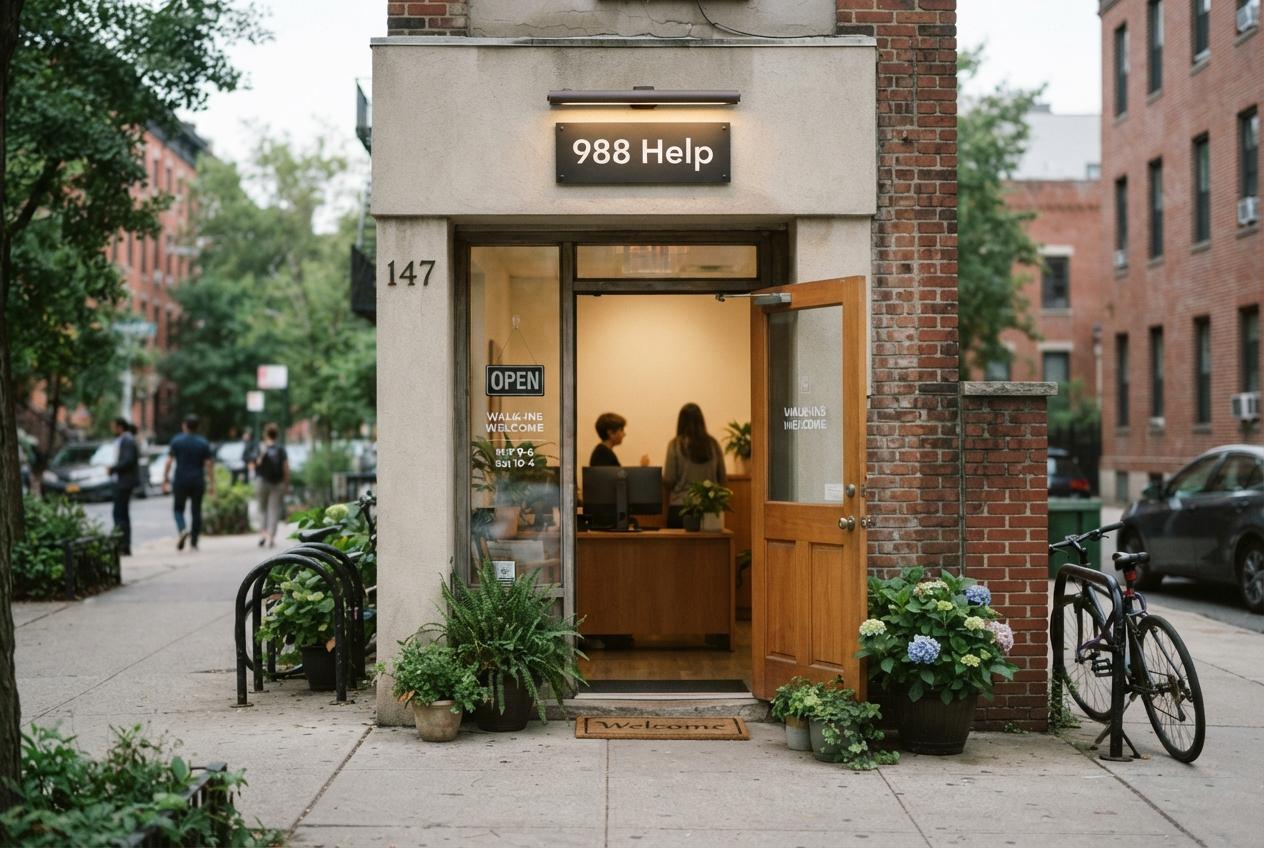
LGBTQ young people across the US can once again reach specialised support through the 988 Suicide and Crisis Lifeline by pressing 3. The service’s return follows months of backlash, campaigning and congressional pressure after it was suspended, restoring a crucial option for callers seeking an understanding, identity-aware response during an intensely difficult moment.
Essential Takeaways
- Press 3 is back: The LGBTQ-focused 988 service was reactivated on 30 September.
- Specialist support matters: Callers can connect with counsellors trained in LGBTQ youth issues.
- A major lifeline: The programme handled more than 1.2 million contacts before its suspension.
- Political pressure worked: Lawmakers and advocates pushed federal officials to restore the service.
- Immediate help is available: Anyone in the US can call or text 988; emergency services remain available when there’s immediate danger.
A vital option has finally returned
For a young person feeling frightened, isolated or unsure whether they can get through the night, a single phone menu can feel surprisingly important. Pressing 3 on the US 988 Suicide and Crisis Lifeline now once again connects LGBTQ callers with specialised support.
The option was restored on 30 September, the final day of Suicide Prevention Month, according to the Bay Area Reporter and other coverage. Its return ends a lengthy gap that left advocates asking why a service designed for vulnerable young people had been removed in the first place.
The wider 988 line remains available around the clock for anyone experiencing suicidal thoughts, emotional distress or a mental health crisis. Press 3 adds a more tailored route for LGBTQ youth, who may want to speak with someone familiar with questions around sexual orientation, gender identity, family rejection or discrimination.
Why the suspension caused such a backlash
The dedicated service was launched as a pilot soon after the 988 number was introduced in 2022. It was supported by federal legislation championed by Senator Tammy Baldwin, who has continued pressing the government to reinstate the specialist counsellors.
Reports from CBS News, NBC News and CNN described strong criticism after the administration ended the programme. LGBTQ lawmakers and mental health advocates argued that removing a targeted service could make it harder for some callers to seek help, particularly when trust and understanding are already in short supply.
The dispute quickly became about more than a telephone option. Supporters said it was about whether a distressed teenager could reach somebody who understood the pressure they were facing without having to explain every part of their identity first.
More than a million contacts show the demand
Before the service was suspended, the LGBTQ+ Youth Specialized Services programme had received more than 1.2 million crisis contacts and interactions, according to figures cited by the Bay Area Reporter and Senator Baldwin’s office. That level of use suggests the option wasn't a niche add-on sitting quietly in the background.
The numbers also underline a wider reality: young people often look for help in formats that feel safe, immediate and non-judgemental. A familiar, dedicated route can lower the emotional hurdle of making contact, especially when someone is already overwhelmed.
The Trevor Project remains another specialist source of LGBTQ youth support in the US, while 988 provides the national crisis network. These services aren't interchangeable, but together they offer more than one doorway into help, which matters when a caller may only have enough energy to try once.
What callers should know before reaching out
Anyone in the US can call or text 988 for crisis support. LGBTQ young people seeking the specialised service can follow the prompts and press 3, while callers who prefer texting can ask for help through the same national lifeline.
It's worth remembering that contacting a crisis service doesn't require having the perfect words. You don't need to prove that your situation is serious enough, and you can begin with something as simple as, "I'm not feeling safe" or "I don't know what to do next."
If someone is in immediate physical danger, call 911 or go to the nearest emergency department. For less urgent support, a trusted friend, family member, school counsellor or LGBTQ community organisation can help create a broader safety net around the person reaching out.
A small menu option with a big human meaning
Senator Baldwin welcomed the restoration but argued that the service should never have disappeared. Her comments reflect the frustration shared by advocates who spent months pressing federal officials to act, including at a time when lawmakers said funding had already been set aside.
Congresswoman Sharice Davids has similarly stressed that the issue isn't about political point-scoring, but about ensuring someone answers when a young person feels completely alone. That's the heart of the story: specialist crisis support isn't a luxury or a branding exercise. It can be the difference between a caller hanging up and staying on the line.
The return of Press 3 won't solve every challenge facing LGBTQ youth, but it does restore a practical, familiar lifeline. Sometimes the most meaningful progress is simply making sure the right person is there when the phone rings.
It's a small button with potentially life-changing reach.
Source Reference Map
Story idea inspired by: [1]
Sources by paragraph:
- Paragraph 1: [2], [4]
- Paragraph 2: [3], [5]
- Paragraph 3: [6], [7]
- Paragraph 4: [2], [3]
- Paragraph 5: [4], [6]
- Paragraph 6: [5], [7]
- Paragraph 7: [2], [3]
- Paragraph 8: [4], [5]
- Paragraph 9: [6], [7]
- Paragraph 10: [2], [3]
- Paragraph 11: [4], [6]
- Paragraph 12: [5], [7]
- Paragraph 13: [2], [3]
- Paragraph 14: [4], [5]
- Paragraph 15: [6], [7]