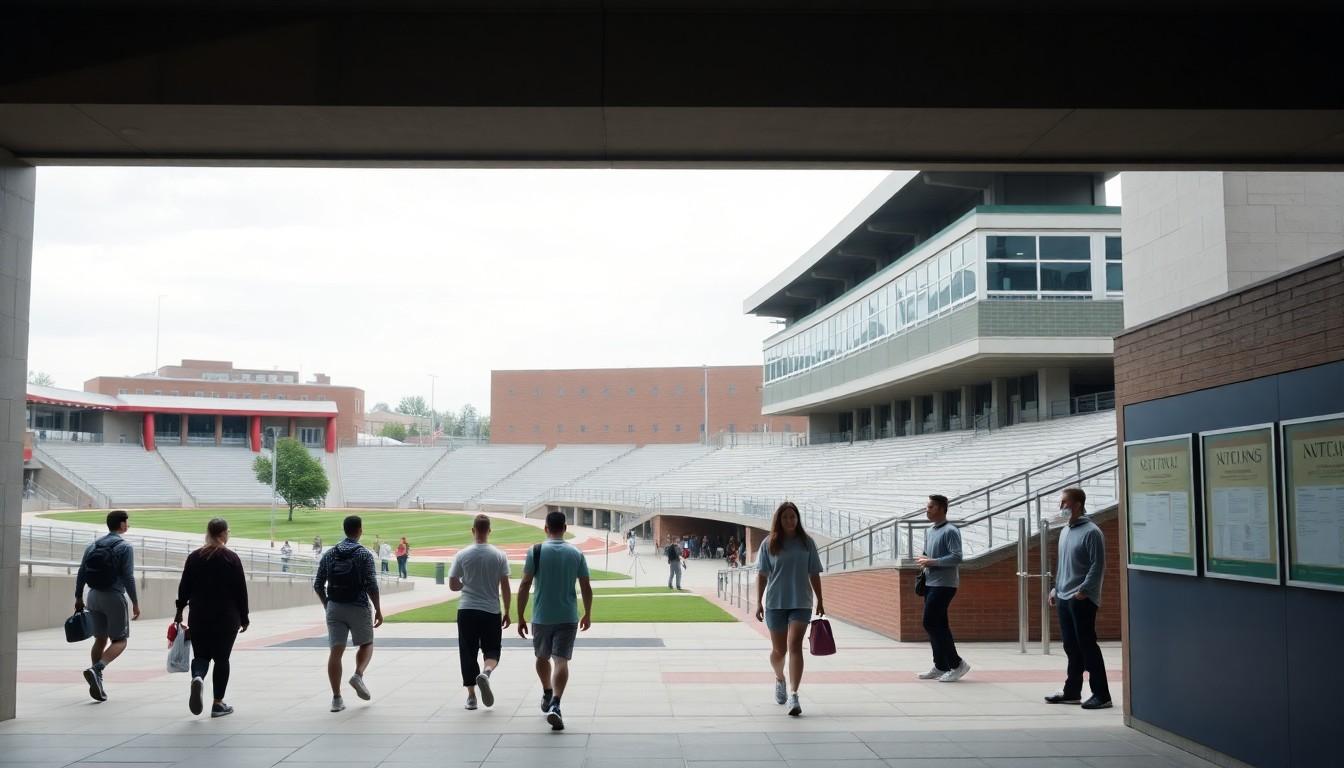
Rights groups and labour unions are pushing back after a dramatic day in Washington, where new Title IX rules narrowed protections for LGBTQ students and a Senate vote advanced a college sports bill critics say could weaken athletes' bargaining power and earning potential.
Essential Takeaways
- Title IX changes: The Education Department restored rules that exclude gender identity and sexual orientation from federal sex-discrimination protections.
- School response: Chicago Teachers Union President Stacy Davis Gates said contracts could help protect Black, Latino and LGBTQ pupils.
- College sports vote: The Senate passed the Protect College Sports Act by 77 votes to 22.
- Athletes' concerns: Labour groups argue the bill could restrict NIL earnings and make union organising harder.
- Next step: The legislation still needs to clear the House, where its future remains uncertain.
A sharp turn for student protections
The new Title IX position marks a major change for American schools and universities. Under the restored approach, federal protections no longer explicitly cover sexual orientation and gender identity, leaving LGBTQ pupils and athletes facing a less secure legal landscape.
That shift arrives alongside wider arguments about whether the federal government is retreating from civil-rights enforcement. Reports from Axios and the Associated Press have also highlighted renewed political scrutiny of how institutions handle sex discrimination and assault allegations, adding to the sense that Title IX is once again a national flashpoint.
For students, the consequences aren't abstract. A policy change in Washington can affect school investigations, sports participation and the way complaints are handled on campus. The legal wording may sound dry, but its impact is intensely personal.
Teachers' unions say schools must fill the gap
Stacy Davis Gates, president of the Chicago Teachers Union, said educators would use local agreements to defend pupils who may lose federal protection. Chicago's student population is notably diverse, making the debate especially immediate for teachers and families there.
Her argument is straightforward: schools can't promise belonging while removing some of the tools designed to enforce it. According to coverage from the Associated Press, that stance reflects a broader fight over whether civil-rights safeguards should depend on federal policy or be reinforced through local institutions.
It also shows why unions are involved beyond pay and working hours. In many districts, collective agreements can influence training, discipline, reporting procedures and support for vulnerable pupils. They aren't a perfect substitute for federal law, but they can provide a practical layer of protection when national policy shifts.
Why college athletes are fighting back
The Senate's 77-22 vote on the Protect College Sports Act has opened another front in the same power struggle. Supporters say national rules would bring order to a fast-changing college sports economy, particularly after court decisions and policy changes expanded athletes' ability to earn money from their name, image and likeness.
Critics, including the AFL-CIO and sports-labour advocates, see something more troubling. They say the bill could give the NCAA greater control over compensation, limit legal challenges and obstruct attempts by athletes to organise. Axios reported that the legislation has become a major test of how far Congress is prepared to regulate college sport on behalf of administrators, conferences and commercial partners.
The money involved makes the argument hard to ignore. Football and men's basketball generate enormous revenues, while athletes, many of them Black, remain at the centre of the product. The uncomfortable question is whether a system can call them students first while relying on their labour to power a multibillion-dollar entertainment business.
NIL earnings and collective bargaining are closely linked
Name, image and likeness payments are only one part of the dispute. The larger issue is who gets to set the rules, and whether athletes have a meaningful voice when those rules are written.
The Senate Commerce Committee's official announcement framed the bill as an effort to protect college sports and establish consistent standards. Labour groups counter that uniform rules imposed from above could prevent athletes from negotiating better terms together. In plain English, they fear a rulebook that looks tidy but leaves workers with little leverage.
That matters for women's sport, too. Collective bargaining can address pay, safety, healthcare, travel and parental support, rather than focusing solely on headline sponsorship deals. The Associated Press has reported on the continuing legal and political battles around college athletes' compensation, showing why this debate is unlikely to disappear with one Senate vote.
The next fight moves to the House
The legislation isn't finished. Because the Senate altered the measure, it must return to the House, where competing demands from conservatives, Democrats, universities and athlete advocates could derail it or produce further changes.
The political timing is awkward, with lawmakers facing pressure from powerful college-sports interests as well as civil-rights and labour organisations. Some Republicans want the measure tied to voting legislation, while opponents are urging the House to reject any arrangement that weakens athlete organising or reduces protections.
For students and athletes, the message is frustratingly familiar: rights can expand, then become bargaining chips. The coming debate will show whether Congress wants to modernise college sport with the workers involved, or simply give its most powerful institutions a clearer path to control.
It's a small line in a bill, but a very large question about who gets a say.
Source Reference Map
Story idea inspired by: [1]
Sources by paragraph: