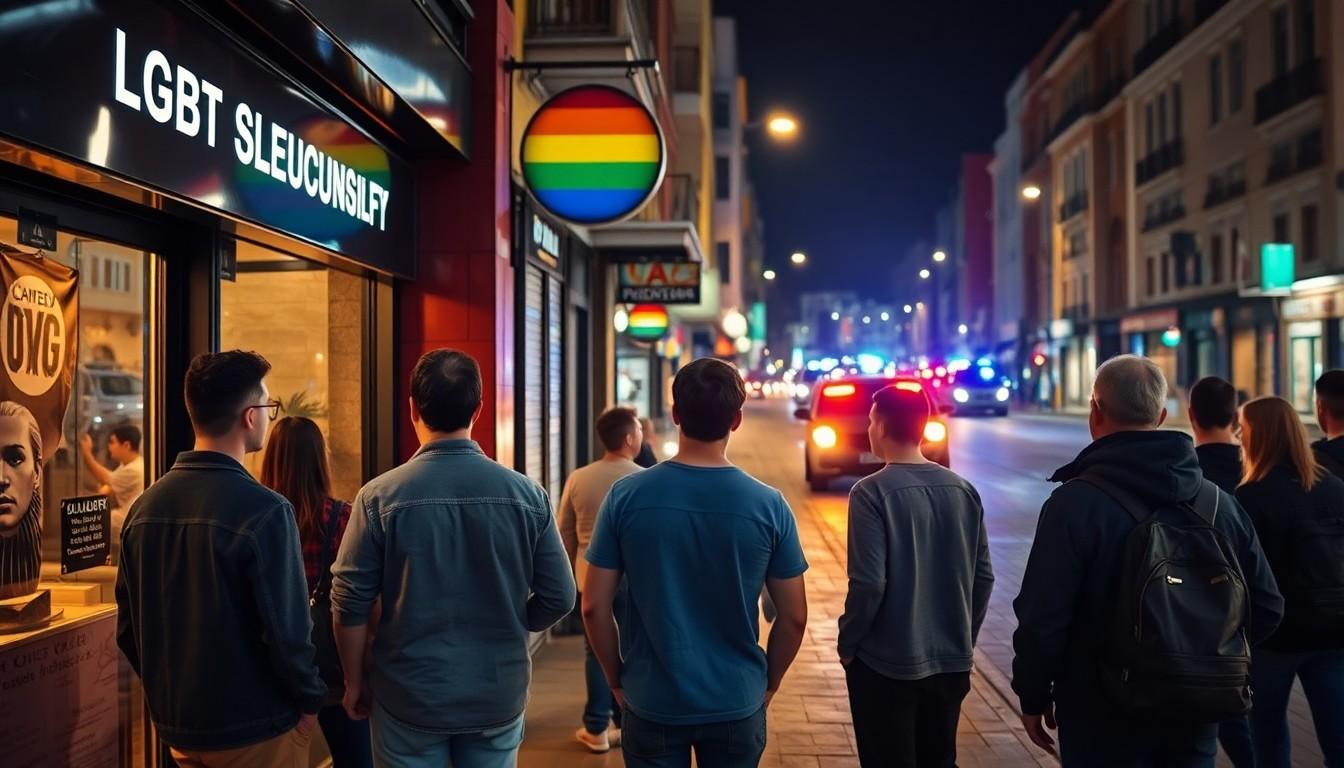
Travellers are looking more closely at Istanbul LGBTQ+ travel safety after Turkish authorities raided venues, organisations and homes in a nationwide crackdown. Despite the fear, nightlife has not disappeared: clubs have reopened, communities are still gathering, and visitors are weighing solidarity against personal safety.
Essential Takeaways
- Raids have intensified: Turkish authorities targeted LGBTQ+ venues, groups, activists and support organisations.
- Nightlife continues: Some Istanbul clubs remain busy, while others have closed or reduced access to private areas.
- Police presence is visible: Visitors have reported identity checks, surveillance concerns and officers outside LGBTQ+-friendly venues.
- The mood is mixed: Defiance and resilience sit alongside genuine anxiety among locals and travellers.
- Plan carefully: Check current conditions, protect people’s privacy and consider whether your trip could increase risk for local communities.
Istanbul nightlife is still open, but the mood has changed
The most striking detail is the contrast. Inside some Istanbul clubs, music, dancing and flirtation continue with familiar energy; outside, police vans and recent raids have made every entrance feel more watched. The result is a nightlife scene that remains vibrant but no longer feels carefree.
According to The Independent, some venues were packed shortly after raids, while others were almost empty. That uneven picture matters for visitors. A busy dancefloor doesn't necessarily mean the environment is safe, and a quiet bar isn't automatically closed for good.
Reports from LGBTQ+ Nation and Al Jazeera describe a wider campaign involving bars, activists and community organisations. For travellers, the practical message is simple: conditions can change quickly, even within the same neighbourhood.
Why the crackdown has alarmed travellers
Turkey has never been a straightforward destination for LGBTQ+ visitors. Homosexuality isn't criminalised, and Istanbul has long offered a lively queer social scene, but Pride events have faced restrictions and political rhetoric has become increasingly hostile.
The latest action has been linked to government appeals around family values, public order and traditional morality. International reporting from Deutsche Welle and the Associated Press says arrests and detentions have spread beyond nightlife venues, raising concerns about civil society and peaceful protest.
That distinction is important. A holidaymaker may have an enjoyable evening in a club, yet local residents, organisers and activists can face far greater exposure. The risks aren't shared equally, which is why visitors should avoid treating a lively night out as proof that everything is normal.
What visitors may notice on the ground
Travellers could encounter visible police patrols, identity checks, closed rooms or staff asking guests not to film. Those measures may feel minor in the moment, but in a tense environment even a casual photograph can expose someone who hasn't chosen to be public.
The Associated Press and UPI have reported on authorities' actions against LGBTQ+ spaces and groups. Meanwhile, accounts from Istanbul suggest that some venues are adapting quietly, limiting access to private areas or asking guests to put their phones away.
If you're visiting, respect those requests without argument. Don't photograph faces, don't post live locations and don't tag venues publicly unless staff have clearly said it's welcome. A discreet evening is not just good manners; it can help protect the people around you.
How to make an LGBTQ+ trip to Istanbul safer
Start with current information rather than old guidebooks or social media posts. Check reputable news coverage, contact accommodation staff discreetly and remember that online listings may not reflect a venue's present status.
Use ordinary travel precautions, but make them more deliberate. Keep identification secure, avoid confrontations with officials, travel with trusted friends late at night and have a clear route back to your accommodation. If a venue feels tense, leave early rather than trying to prove a point.
The Los Angeles Times has reported that the crackdown has also affected LGBTQ+ and HIV-support groups. That means community resources may be harder to access than usual, so travellers who rely on medication or specialist support should prepare carefully before departure and carry appropriate documentation.
Resilience shouldn't be mistaken for reassurance
There is something powerful about people returning to a club after it has been raided. It shows that Istanbul's LGBTQ+ community hasn't simply vanished, and that social life can become a form of resistance. But resilience is not the same as protection.
For some visitors, travelling to Istanbul may feel like a meaningful act of solidarity. For others, postponing a trip is the sensible choice. Neither decision should be made casually, and neither should put local people in greater danger.
The safest approach is to stay informed, spend thoughtfully and let the community set the pace. Istanbul's queer nightlife may still be dancing, but visitors need to listen carefully to what the room is telling them.
It's possible to travel with solidarity, but safety and discretion come first.
Source Reference Map
Story idea inspired by: [1]
Sources by paragraph: