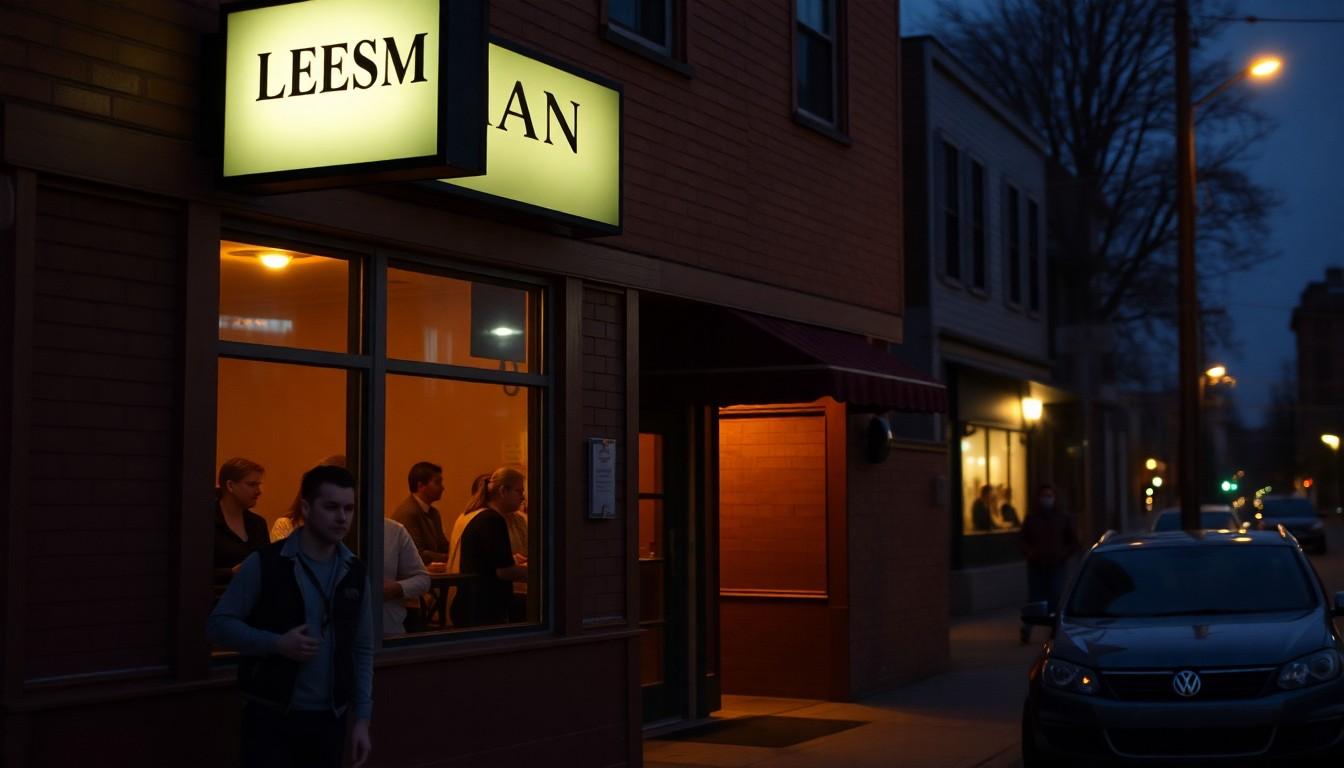
Readers are still dissecting the Last Ditch controversy in Greenfield, Massachusetts, but the bigger story is what happens when a small LGBTQ+-owned business becomes an internet-wide spectacle. The debate has raised questions about masking, queer community life, media ethics and whether every viral news story needs to become a film.
Essential Takeaways
- A local dispute went national: Coverage of Last Ditch drew intense online attention far beyond Greenfield.
- The business impact is real: Local owners reportedly found the sudden arrival of journalists and content creators disruptive.
- Adaptation interest has emerged: The Hollywood Reporter said talent representatives were receiving enquiries about scripted and documentary versions.
- Virality has consequences: Everyday people can become public characters before they understand how widely their stories may travel.
- The wider issue matters more: LGBTQ+-owned businesses, public health and financial pressure deserve more attention than online pile-ons.
How a small bar became a national conversation
The strange power of the Last Ditch story lies in its scale. A dispute involving one lesbian bar in western Massachusetts suddenly became a talking point for people who'd never visited Greenfield, never met the owners and probably couldn't have found the venue on a map a fortnight earlier.
The Atlantic's coverage of the masking debate helped place the story within wider arguments about queer community spaces, public health and political identity. But online discussion quickly moved beyond the original question, with strangers treating a complicated local disagreement like a referendum on LGBTQ+ culture itself.
That leap is familiar now. A messy, human situation becomes a neat morality play, complete with heroes, villains and a comment section demanding a verdict. Real life, inconveniently, is rarely so tidy.
Why the attention has been difficult for Greenfield
The Boston Globe's reporting brought national visibility to Last Ditch, but that attention didn't arrive in a vacuum. Small hospitality businesses are already navigating high costs, staffing pressures and cautious customers, so an unexpected crowd of reporters, streamers and online personalities can feel less like publicity than an invasion.
Boston.com reported on the fallout surrounding the bar and the effort to keep the venue going. The story illustrates a particularly awkward problem with viral coverage: the attention may benefit a publication, while the people and businesses at the centre of it absorb the practical disruption.
A local bar isn't a television set. It has staff to manage, bills to pay and neighbours to consider. Even sympathetic visitors can add pressure if they arrive looking for content rather than a drink, a conversation or an ordinary evening out.
The adaptation question is bigger than one possible film
According to The Hollywood Reporter, United Talent Agency was fielding interest in potential adaptations of the Globe article, including scripted and documentary projects. That doesn't mean a film is imminent. Most optioned stories never reach the screen, and producers often explore material long before a project has funding, a director or a workable script.
Still, the possibility says something about the current media economy. Viral attention is increasingly treated as proof that a story has entertainment value, even when its appeal depends on immediacy, outrage and the thrill of watching real people struggle in public.
Boston Spirit Magazine's account of the controversy captured how quickly the dispute spread across the internet. A documentary could, in theory, examine the pressures facing queer venues and the changing expectations around public health. A simple dramatisation of the online argument, however, risks turning a living community into background scenery for a ready-made culture-war plot.
When real people become characters
The internet has blurred the boundary between reporting and participation. Someone can give an interview to a newspaper, only to discover that their comments have become evidence in thousands of online arguments, reaction videos and private group chats.
Them's response to the controversy placed that concern at the centre of the discussion, alongside the broader precarity of LGBTQ+-owned businesses and the continuing health disparities experienced by queer people, particularly those living with disabilities or autoimmune conditions. Those subjects may be less instantly clickable, but they're far more consequential.
The example of Zola also hangs over this kind of adaptation culture. A viral story can create opportunities, but it can also leave its original creator fighting for recognition, control and fair compensation. Visibility isn't the same as power, and being widely discussed doesn't guarantee that the people involved will benefit.
A better lesson than "wokeness is over"
The loudest reactions have often tried to make Last Ditch stand for something much larger: the supposed collapse of progressive politics, the failure of queer solidarity or the end of pandemic-era caution. Those conclusions are tempting because they turn a local dispute into a grand national narrative.
But the Boston Globe's opinion coverage and related reporting suggest a less dramatic explanation. People under financial and emotional strain clash, especially when a community organisation is also a workplace, social hub and political symbol. That isn't a uniquely queer phenomenon, even if the consequences can feel sharper in a small LGBTQ+ venue.
The more useful lesson is about restraint. Not every compelling article needs a global debate, a documentary deal or a feature-film treatment. Sometimes a story can be interesting, troubling and worth learning from without turning the people involved into permanent public property.
It's worth asking what we gain before we make the next local controversy everyone else's business.
Source Reference Map
Story idea inspired by: [1]
Sources by paragraph: