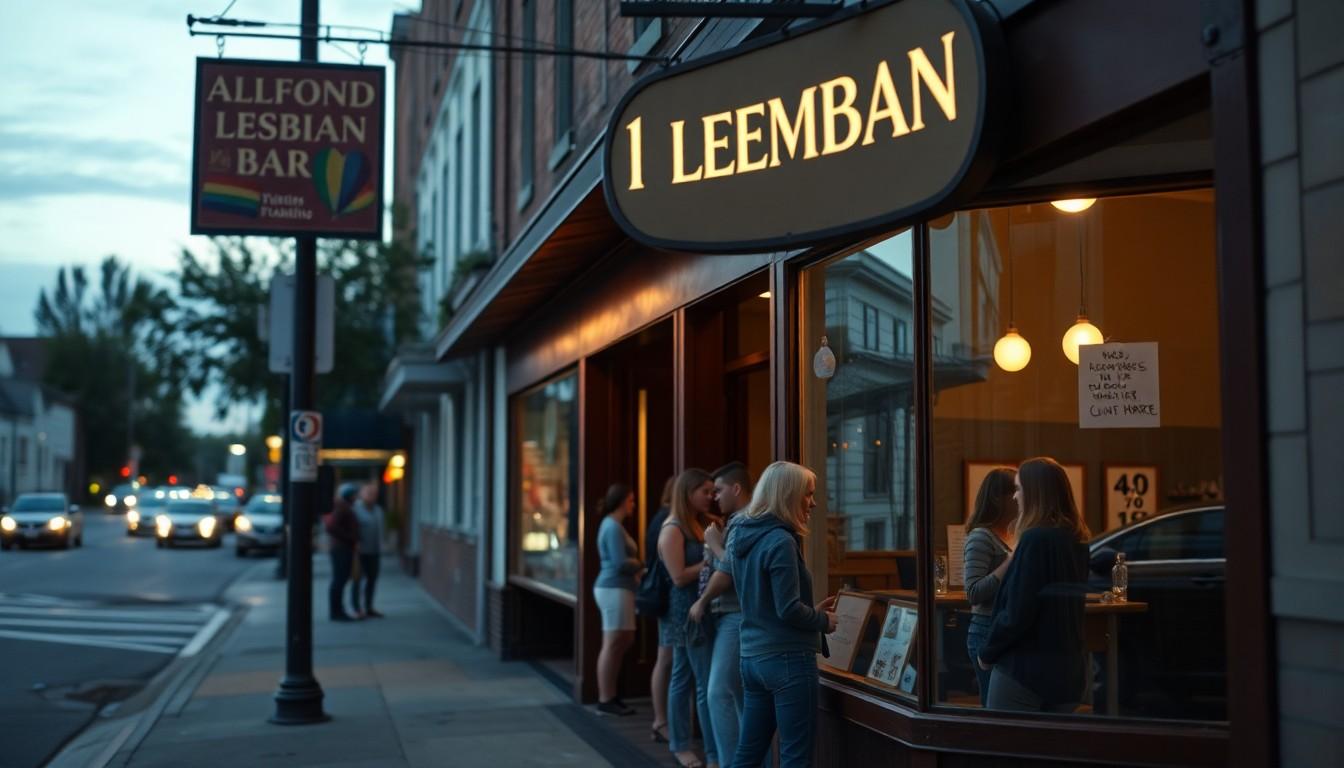
Readers are debating mask policies at Last Ditch, a lesbian bar in western Massachusetts, but the bigger story is financial survival. As the venue faces mounting pressure, its controversy highlights why queer bars matter, how few remain in the US and why compassionate debate could be more useful than another round of online outrage.
The viral argument is hiding a bigger emergency
Last Ditch opened in Greenfield in April 2025, hoping to create a welcoming home for lesbians and other queer patrons. Instead, a decision to make masks optional on one night each week triggered a fierce public dispute, with the backlash spreading well beyond Massachusetts. The Boston Globe reported on the controversy, while the story was later amplified across national and online media.
The argument is easy to follow because it compresses several urgent issues into one room: public health, access, financial survival and the question of what a queer venue owes its community. It also makes for irresistible internet content, complete with arguments over respirators and the sort of theatrical drama that social media loves. But behind the jokes is a small business trying to pay its bills.
According to the original account, Last Ditch's remaining founder, Jackie Matellian, is working four jobs and carrying responsibility for a $50,000 business loan. That changes the emotional temperature of the story. A debate about one evening's policy is important, but a permanent closure would affect every patron who relies on the venue. [2], [6], [7]
Lesbian bars are rare, valuable and still vulnerable
The Lesbian Bar Project was created in 2020 to document and support lesbian bars during the pandemic, when only around 16 were believed to remain in the United States. The number has since grown to roughly 36, according to figures associated with the project, but that recovery sits beside a much longer decline from about 200 venues in 1980. Wikipedia's overview of the project reflects that stark historical picture. [4]
Numbers don't quite capture the feeling of walking through the door. These places offer a soft landing, a chance to flirt without translating yourself and the quiet relief of seeing other people who understand the room instinctively. For someone newly out, or simply tired of explaining their identity, that ease can feel almost physical.
Modern lesbian bars are also broader than their name suggests. Many welcome bisexual, pansexual, trans and otherwise queer customers, creating social ecosystems rather than narrowly defined clubs. The result is a valuable kind of third space, but one that remains exposed to rent increases, staffing costs, insurance bills, gentrification and changing nightlife habits. [4]
What Last Ditch tells us about queer spaces
The Last Ditch dispute became a meme-ready culture-war story, with coverage and commentary turning the mask question into a spectacle. Know Your Meme's record of the online controversy shows how quickly the episode moved from a local business decision into a broader piece of internet discourse. That attention may bring visibility, but visibility isn't the same as dependable support. [5]
There are legitimate reasons for patrons to challenge a venue. Disabled and immunocompromised people, including those living with long COVID, may face serious risks in crowded indoor spaces. A bar that wants to serve its whole community should listen carefully to those concerns, communicate policies clearly and consider practical measures such as ventilation, quieter sessions or designated masked events.
At the same time, owners can't realistically solve every social and public-health problem alone. Lesbian bars are often expected to be businesses, community centres, crisis-response networks and models of perfect inclusion all at once. That is a punishing brief, especially when margins are thin and the venue is still finding its feet.
A better way to judge a lesbian bar
For patrons, the most useful question isn't simply whether a bar has made one decision you dislike. Ask whether it explains its choices, welcomes feedback and is willing to improve. Look for clear information about masks, accessibility, ventilation, staff conduct, bathrooms, pricing and event formats before visiting.
If you need a lower-risk night out, check whether the venue offers outdoor events, quieter hours or mask-required gatherings. If those options don't exist, a polite, specific request is more likely to help than a pile-on. Owners may not be able to meet every demand, but they can respond honestly and show what they're doing next.
Money matters, too. Buying a drink, attending a fundraiser, paying for a ticket or sharing accurate information can be more useful than expressing support in a comment thread. A bar can't survive on goodwill alone, and a community can't preserve a gathering place without treating it as both a social institution and a small business. [6], [7]
Keeping the doors open takes more than nostalgia
The online reaction to Last Ditch has exposed a difficult truth: queer communities can be pulled into fighting over limited spaces while larger economic pressures continue unchecked. The controversy has been entertaining enough to attract national attention, but rent, debt and operating costs are much less glamorous and far more decisive.
That doesn't mean patrons should stay quiet about safety, racism, harassment, transphobia, accessibility or poor treatment. Accountability is part of building a better venue. The challenge is to make criticism specific and constructive, giving owners a chance to respond while recognising that closing the doors would remove the space altogether.
The future of lesbian bars won't be secured by nostalgia or viral outrage. It will depend on practical solidarity, honest conversations and enough regular custom to keep the lights on. As the story around Last Ditch shows, sometimes protecting a beloved space starts with arguing less about winning and more about what would help it survive.
A thriving queer bar needs both accountability and a community willing to show up.
Source Reference Map
Story idea inspired by: [1]
Sources by paragraph:
- Paragraph 1: [2], [6]
- Paragraph 2: [2], [3]
- Paragraph 3: [6], [7]
- Paragraph 4: [4]
- Paragraph 5: [4]
- Paragraph 6: [4]
- Paragraph 7: [5]
- Paragraph 8: [2], [4]
- Paragraph 9: [2], [6]
- Paragraph 10: [6], [7]
- Paragraph 11: [5]
- Paragraph 12: [6], [7]
- Paragraph 13: [2], [4]
- Paragraph 14: [6], [7]
- Paragraph 15: [2], [5]