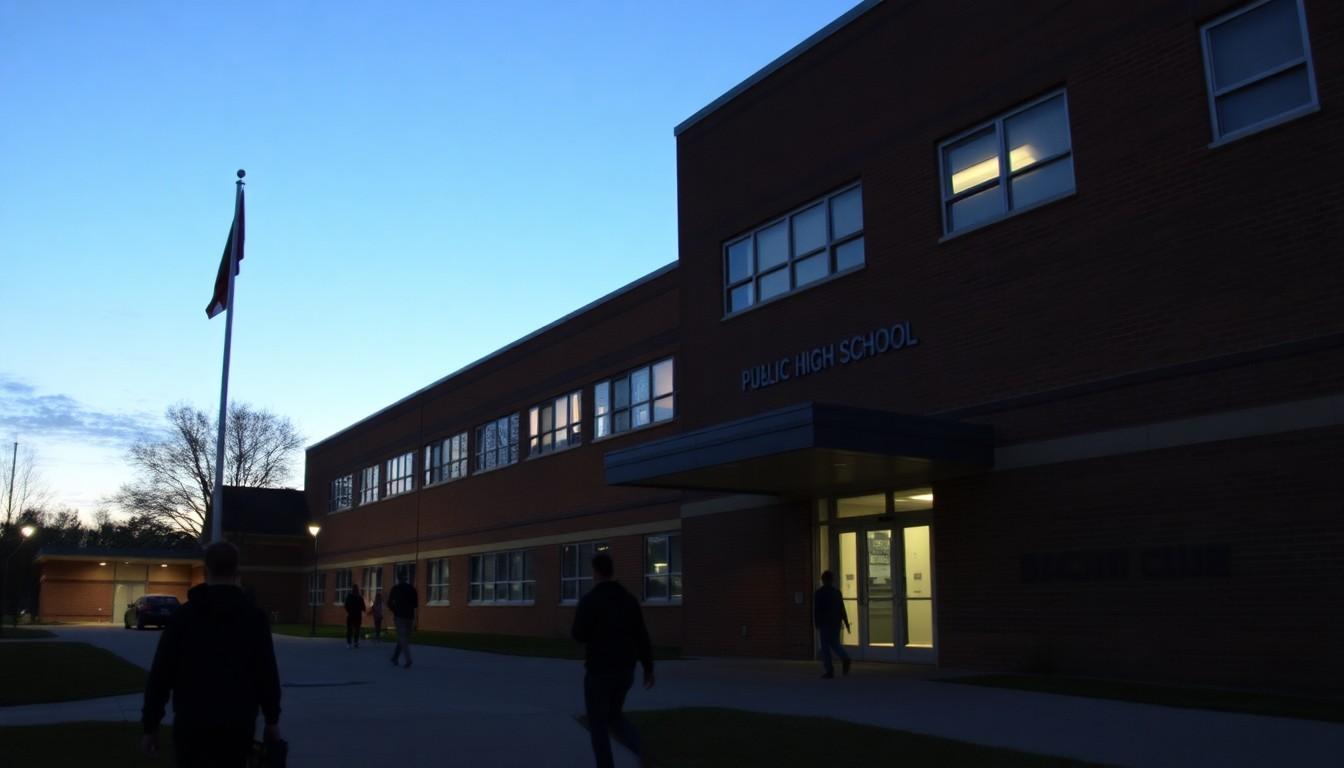
The Trump administration has moved to repeal Biden-era protections for LGBTQI+ pupils under Title IX, reshaping how schools handle alleged sexual discrimination across the United States. The decision matters most for transgender students, who could face fewer federal safeguards at school, in sport and when seeking help after mistreatment.
Essential Takeaways
- Federal rules withdrawn: The Education Department is ending Biden-era Title IX protections covering gender identity and sexual orientation.
- Transgender pupils most affected: Schools may no longer have to treat gender identity discrimination as sex discrimination under federal guidance.
- Legal disputes remain: Courts, states and advocacy groups are likely to continue challenging the policy.
- School policies could diverge: Protection may increasingly depend on state law and individual district rules.
- The change is deeply personal: For pupils and families, questions about toilets, sport, names and safeguarding aren't abstract legal details.
A major shift in how schools interpret Title IX
The administration's decision reverses a policy direction established under Joe Biden, when the Education Department argued that Title IX's ban on sex discrimination also covered sexual orientation and gender identity. According to UPI, the department's final rule removes that interpretation and restores a narrower reading of the 1972 law.
That may sound like a technical adjustment, but its effects could be felt in ordinary school life. A pupil's name, uniform, changing facilities or access to support can quickly become a legal and emotional flashpoint.
The move follows the administration's wider effort to unwind policies associated with transgender inclusion. LGBTQ Nation reported that officials presented the rollback as a return to the traditional meaning of sex under Title IX, while critics described it as a serious loss of protection. [2]
Why transgender pupils are at the centre of the dispute
Transgender students are likely to face the sharpest consequences because the withdrawn guidance explicitly connected gender identity discrimination with sex discrimination. Without that federal position, complaints involving bathrooms, pronouns, team participation or school records may become harder to pursue through the Education Department.
The practical outcome won't be identical everywhere. Bloomberg Law reported that federal policy interacts with a patchwork of state laws and local rules, meaning some pupils may retain broader protection while others are left with fewer clear routes for redress. [4]
For families, that uneven landscape could be exhausting. A student moving between districts, or simply trying to understand whether a school must act, may find that the answer depends less on a national standard and more on the state line outside the classroom.
The legal battle is far from over
The repeal doesn't settle the underlying argument. Earlier attempts by the Trump administration to deny Title IX protection to transgender pupils prompted lawsuits, and the issue has already travelled through federal courts. UPI reported that the administration's approach has been challenged by advocates and jurisdictions opposed to the change. [6]
The Washington Post also reported on settlements and disputes involving transgender students, highlighting how individual cases can shape national policy. Those cases often begin with a single school complaint but raise wider questions about federal authority, student safety and the limits of executive action. [5]
That means today's announcement may be one stage in a much longer legal contest. Schools could face competing instructions, while families wait for courts to clarify what the law requires.
What the rollback means for schools and families
School leaders will need to review complaint procedures, staff guidance and safeguarding policies. They may also have to balance the federal position with state-level protections, civil-rights obligations and their own commitments to pupil welfare.
Parents and pupils can start by checking their state education department and school district's current policy, keeping records of relevant incidents and seeking advice from established civil-rights or legal organisations where necessary. It’s sensible to look for the latest guidance rather than relying on older school handbooks, particularly during a period of rapid change.
Meanwhile, the policy debate is likely to remain politically charged. LGBTQ Nation described the ending of the rule as an injustice, while supporters see it as correcting what they consider an overreach by the previous administration. [3]
A change with consequences beyond the classroom
The wider significance is about who gets to define discrimination in American education. By withdrawing the Biden-era interpretation, the administration is not merely editing paperwork; it's narrowing the federal government's stated role in protecting LGBTQI+ pupils.
The consequences may unfold quietly at first, through revised complaint forms or altered staff training. But for a young person deciding whether to report bullying or ask for support, the message from policy can feel immediate and unmistakable.
Schools now face the difficult task of navigating a divided legal landscape while trying to keep pupils safe. That responsibility won't disappear because the federal rule has changed. [7]
A policy reversal can happen in a single announcement, but its effects may follow students for years.
Source Reference Map
Story idea inspired by: [1]
Sources by paragraph: