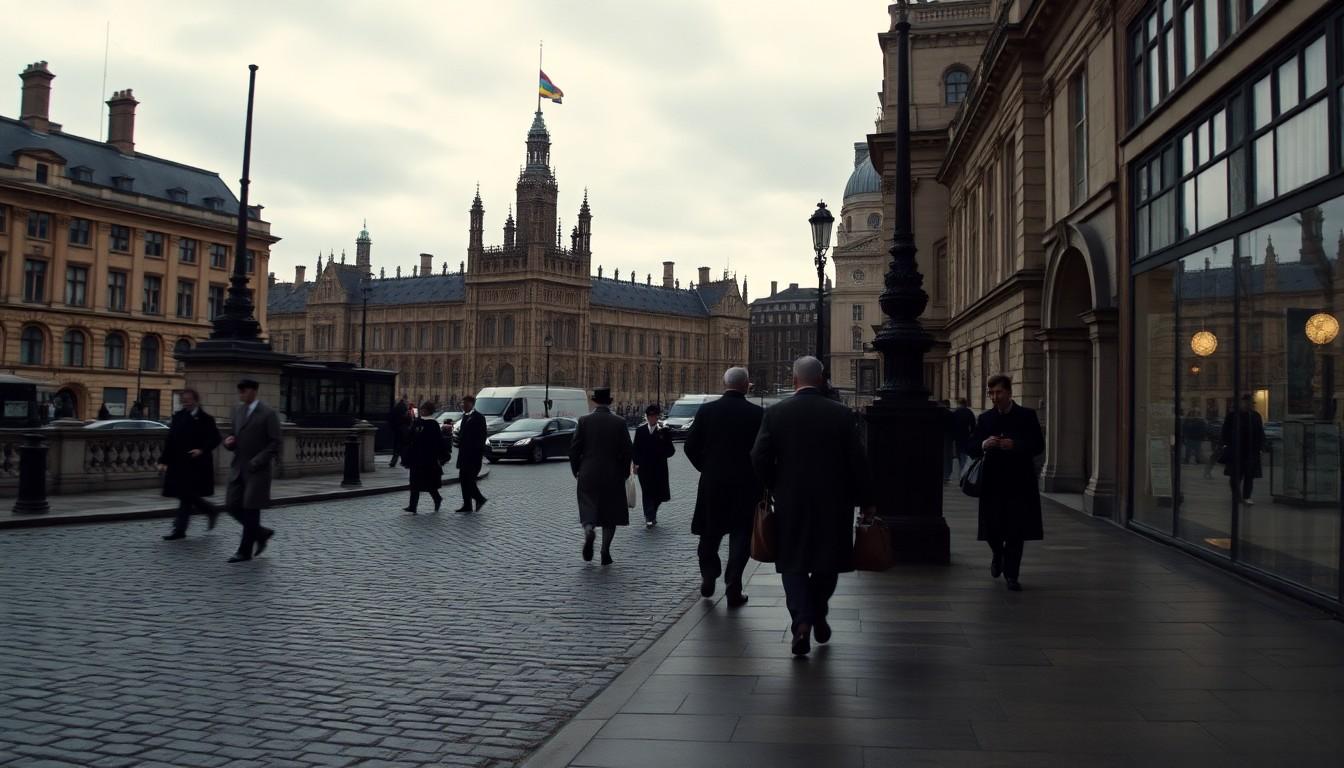
A possible screen adaptation of The Glamour Boys is reigniting interest in the queer British MPs who opposed appeasement in the 1930s, when homosexuality was criminalised and political dissent carried a heavy price. Their story offers both gripping historical drama and an uncomfortable reminder that courage often begins with refusing to stay quiet.
Essential Takeaways
- A hidden political network: Queer MPs and their allies found common ground while challenging appeasement.
- A dangerous era: Male homosexuality remained illegal in Britain, making public exposure potentially ruinous.
- A Berlin connection: Some members travelled to Berlin, then a major centre of queer culture and nightlife.
- A timely story: The group recognised the Nazi threat earlier than many politicians in Westminster.
- Screen potential: Filmmaker Wash Westmoreland has identified the story as a dream project for queer cinema.
The forgotten MPs who saw danger coming
The strongest part of The Glamour Boys isn't simply its cast of discreetly queer politicians. It's the contrast between their private vulnerability and their public determination. According to The Guardian, Chris Bryant's book follows MPs who pushed back against appeasement and warned about Hitler's ambitions before war became unavoidable.
That makes the story feel remarkably modern. These weren't outsiders shouting from the margins; they were parliamentarians operating inside Britain's most powerful institution, trying to make colleagues take an expanding dictatorship seriously. The tragedy is that their warnings were often met with indifference, caution or outright resistance.
Why being queer made their stand even riskier
In 1930s Britain, gay men faced criminal prosecution, social disgrace and the loss of their careers. The Guardian's account of the book underlines how much these MPs had to conceal, even as they challenged government policy in public.
That double pressure gives the history its emotional charge. They were already navigating a society that demanded silence about their personal lives, yet they chose to speak loudly about the danger abroad. It’s a sharp reminder that bravery doesn't always look theatrical. Sometimes it looks like turning up, reading the evidence and making the unpopular speech.
Berlin offered a glimpse of another life
Before the Second World War, Berlin was widely known for its lively queer culture, experimental art and nightlife. As reporting from GMA News and queer-history archives notes, the city offered visitors a striking contrast with Britain's more restrictive social climate.
For queer British MPs, travelling there could provide not only pleasure but perspective. Berlin showed what public queer life might look like when it was less tightly forced underground, even though the political situation was becoming increasingly threatening. That tension makes the setting especially cinematic: bright clubs and creative freedom shadowed by the growing presence of fascism.
The story has all the ingredients for television
Wash Westmoreland's interest in adapting The Glamour Boys reflects a wider appetite for queer stories that combine identity, politics and history. The idea was discussed during a fundraising panel for Outfest, where filmmakers were asked about their dream projects.
A series could move between Westminster debates, private friendships and Berlin's nightlife, allowing the historical stakes to build gradually. It could also avoid reducing the men to symbols. Their disagreements, compromises and personal risks are where the real drama lies, and that's precisely the sort of detail that can make a period story feel alive rather than dutiful.
Why this history still matters
The Glamour Boys is ultimately about recognising a threat while powerful people are still debating whether it exists. The Eton College account of the group highlights their resistance to appeasement and their role in challenging the prevailing mood of accommodation.
That message doesn't need heavy-handed explanation. History already supplies the warning. When minority voices are dismissed as alarmist, self-interested or inconvenient, the result can be more than political frustration. Sometimes, as these MPs understood, delay carries a cost.
It’s a story about queer courage, political foresight and the price of being right too early.
Explore the history behind The Glamour Boys and the people who refused to look away.
Source Reference Map
Story idea inspired by: [1]
Sources by paragraph: