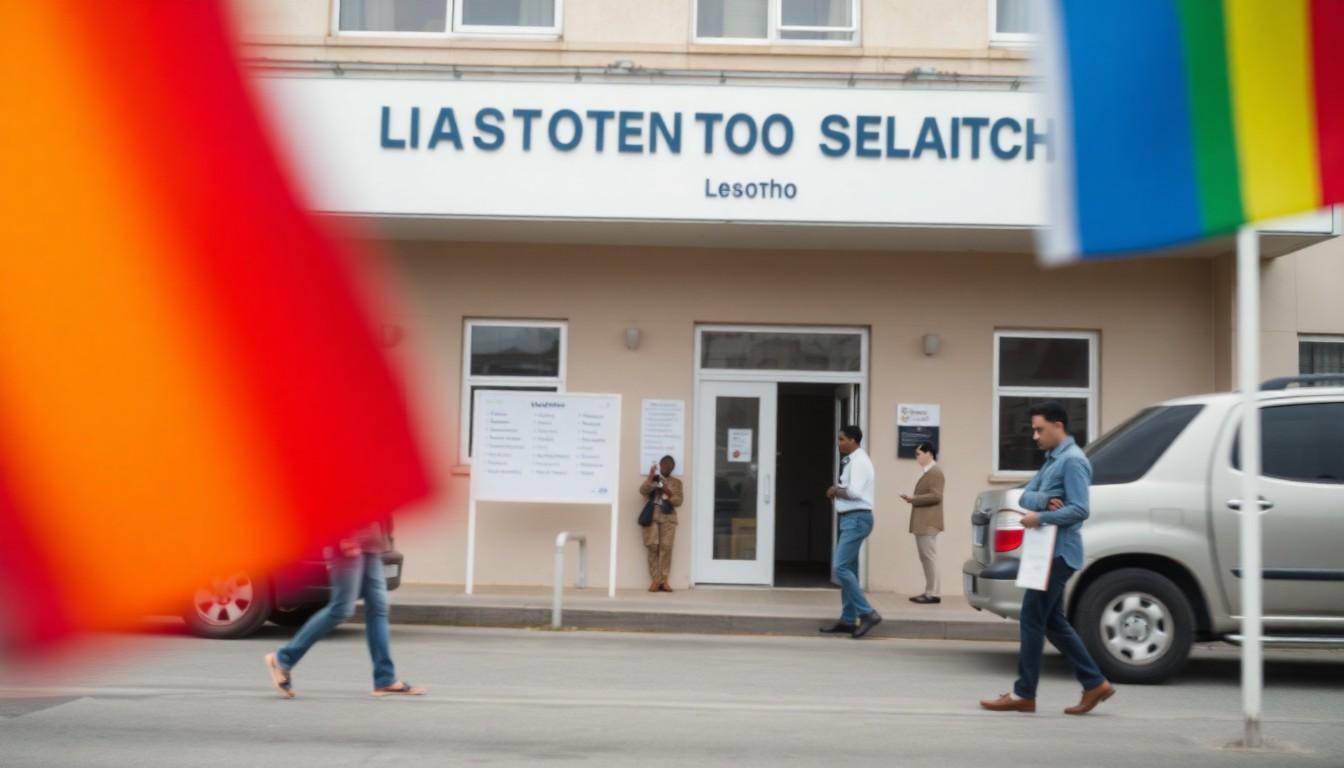
LGBTIQ+ people in Lesotho say the 2026 Population and Housing Census has made them feel recognised as part of the nation. By including questions on gender identity and sexuality, the country has opened a door to better planning, stronger services and a more accurate picture of Basotho life.
Essential Takeaways
- A landmark inclusion: Lesotho’s latest census includes questions recognising gender identity and sexuality.
- Recognition matters: LGBTIQ+ advocates say official data can support fairer planning and a stronger sense of belonging.
- Privacy remains crucial: Sensitive information must be collected securely and protected from misuse.
- The census is nationwide: More than 8,000 temporary workers supported the enumeration exercise.
- Results are pending: Officials must still complete analysis and approval before publishing the final figures.
Being counted feels like being seen
For many LGBTIQ+ people in Lesotho, the most immediate impact of the census isn't statistical. It's emotional. After years of being largely absent from official records, respondents say the exercise has offered a rare feeling of visibility and citizenship.
That matters in a country where public data influences decisions about schools, clinics, housing and infrastructure. The Bureau of Statistics says the census is designed to provide an updated picture of population size, distribution and living conditions, making inclusion more than a symbolic gesture. According to the Lesotho government, the exercise is intended to support national development planning with better evidence.
This is the first time the national census has formally recognised these aspects of identity, according to advocates involved in the consultation process. It may sound like a small change on a questionnaire, but for communities used to being discussed without being properly represented, it carries real weight.
Why inclusive census data could change planning
Good policy starts with knowing who needs what. When certain groups disappear from official data, their experiences can become easy to overlook, while funding decisions rely on assumptions rather than evidence.
LGBTIQ+ organisations say the new information could help identify gaps in healthcare, social protection, education, justice and other public services. It could also give advocacy groups firmer ground when asking government to address discrimination or unequal access.
The government has described the census as a major national exercise supported by the United Nations Population Fund. It follows earlier population counts held every decade, with the latest operation updating information collected in 2016. That long-term record is useful, but only if the questions reflect the society being measured.
There is a wider lesson here, too. A population isn't simply a headcount. It's a collection of different lives, households and circumstances, and the data works best when it reflects that full picture.
Inclusion needs strong privacy protections
Recognition brings opportunity, but it also creates responsibility. Questions about sexuality and gender identity can be deeply personal, particularly in communities where stigma, discrimination and violence remain concerns.
That means confidentiality can't be treated as a technical footnote. People need to know who can access their answers, how the information will be stored and whether individual responses can be traced back to them. The Bureau of Statistics is responsible for collecting and disseminating official data, while national authorities must ensure that sensitive information is handled responsibly.
The practical advice for respondents is simple: answer honestly only when you're satisfied that the process is safe and confidential, and ask enumerators to explain anything that isn't clear. For officials, the standard is higher still. Trust will depend on transparent safeguards, careful analysis and clear communication about what the data can and cannot reveal.
Lesotho’s census is a huge national operation
The 2026 Population and Housing Census covered population and housing units across Lesotho, with a reference night of 11 April 2026. The government says enumeration was completed successfully overall, although mop-up work continued in selected locations.
More than 8,000 temporary field staff were involved, underlining the scale of an operation that reaches from urban neighbourhoods to rural communities and cattle pounds. The Bureau of Statistics has said the data must now go through analysis and a comprehensive review before the official results are released.
That timing matters because early claims about census totals can be misleading. Lesotho's Media Institute has warned that supposed 2026 census results circulated before the official release were false. Until the Bureau publishes approved figures, readers should treat dramatic numbers shared online with a healthy pinch of salt.
Counting is only the beginning
The strongest message from advocates is that inclusion should lead somewhere. Being recorded in national data doesn't automatically produce safer services, fairer budgets or stronger legal protection.
The next step will be turning the findings into action: analysing inequalities, consulting LGBTIQ+ communities about what the numbers mean and using the evidence in policy and spending decisions. The Bureau of Statistics has the formal role of producing the data, but government departments and civil society will determine how useful it becomes.
For the people who finally feel represented, the census has already made a difference. But the real test will arrive later, when the figures are translated into clinics that understand their patients, services that don't exclude them and policies that recognise their lives. Being counted is a beginning, not a conclusion.
Recognition in the census matters most when it leads to recognition in everyday life.
Source Reference Map
Story idea inspired by: [1]
Sources by paragraph:
- Paragraph 1: [2], [3]
- Paragraph 2: [3], [4]
- Paragraph 3: [2], [6]
- Paragraph 4: [3], [7]
- Paragraph 5: [2], [3]
- Paragraph 6: [3], [4]
- Paragraph 7: [2], [3]
- Paragraph 8: [2], [4]
- Paragraph 9: [3], [6]
- Paragraph 10: [4], [5]
- Paragraph 11: [2], [3]
- Paragraph 12: [3], [4]
- Paragraph 13: [2], [3]
- Paragraph 14: [3], [5]
- Paragraph 15: [2], [4]
- Paragraph 16: [3], [7]