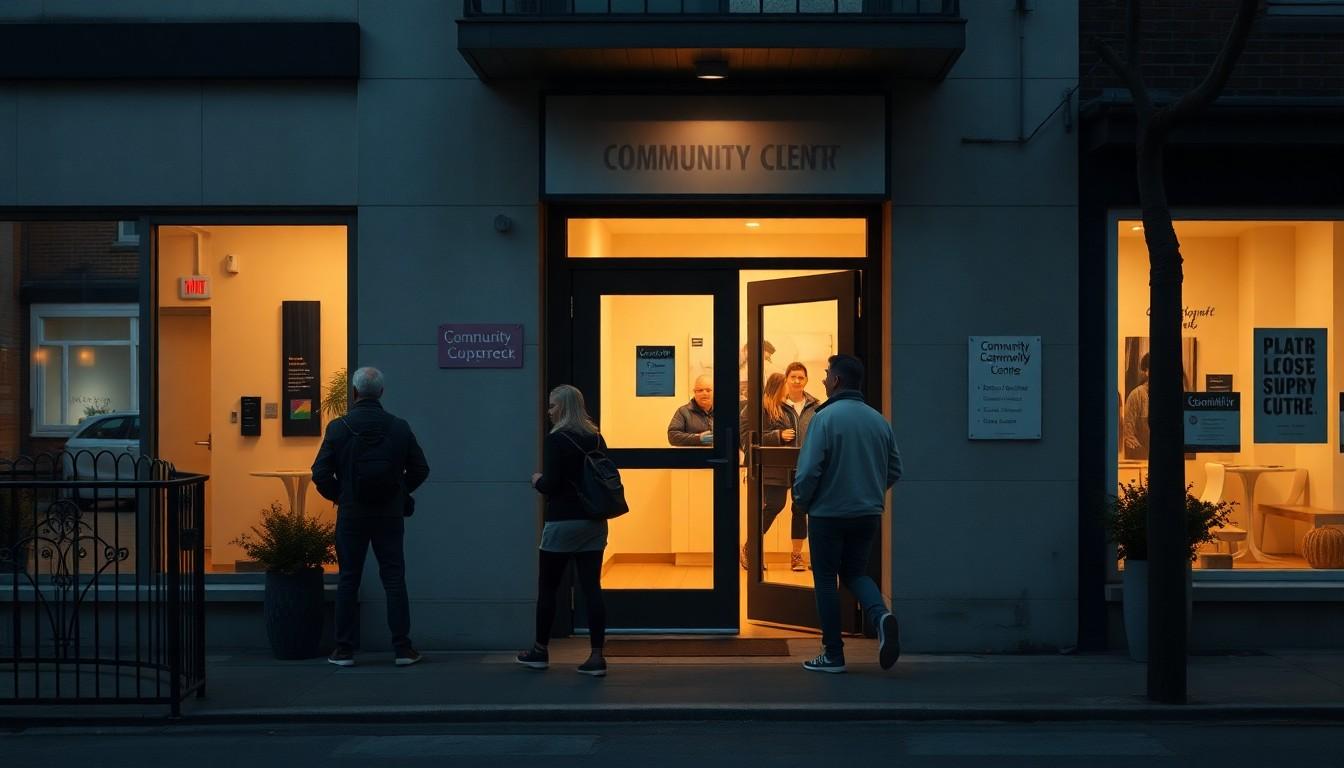
Loneliness is becoming an increasingly visible LGBTQ+ health issue, affecting people across ages, relationships and social circles. Understanding the difference between loneliness and isolation, spotting the warning signs and taking small steps towards genuine connection can make support easier to find.
Essential Takeaways
- Loneliness isn't the same as isolation: You can have regular contact with people and still feel emotionally disconnected.
- It can affect physical health: Persistent loneliness is linked with stress, disrupted sleep and poorer long-term wellbeing.
- Queer people face specific pressures: Rejection, minority stress, dating-app fatigue and ageing can all make connection harder.
- Quality matters more than numbers: One trusted relationship may offer more comfort than a large online following.
- Small steps can help: Volunteering, community groups, sport and a simple coffee invitation can gradually rebuild connection.
Feeling lonely in a crowded room
A packed bar, a busy group chat and a phone full of notifications can create the appearance of connection. Yet loneliness can still sit quietly underneath, with that oddly hollow feeling of being present but not truly seen.
For LGBTQ+ people, the idea of a chosen family is often presented as a reassuring answer to isolation. It can be life-changing, but it isn't universal. Family rejection, moving for safety or acceptance, relationship breakdown and feeling out of place in queer spaces can all leave people disconnected. The Centers for Disease Control and Prevention identifies relationships, community conditions and life circumstances as important influences on social connection.
The distinction matters. Social isolation describes a lack of contact with other people, while loneliness is the personal experience of wanting more meaningful or satisfying connection. As Simply Psychology explains, someone can live alone without feeling lonely, while another person may feel lonely despite being surrounded by friends.
Why loneliness is a health concern
Loneliness isn't merely an uncomfortable mood that disappears with a busy weekend. Ongoing disconnection can keep the body's stress response switched on, affecting sleep, energy and the ability to cope with everyday demands.
Public health guidance from the National Institute on Aging links loneliness and social isolation with risks to mental and physical health, particularly when they persist over time. The effects can also encourage habits that make wellbeing harder to protect, such as drinking more, smoking or becoming less active.
That doesn't mean feeling lonely automatically causes illness, or that someone should blame themselves for struggling. It does mean the feeling deserves attention, especially when it lasts for weeks or begins affecting sleep, mood, work or relationships. Think of it as a signal that needs care, rather than a character flaw.
LGBTQ+ people can face extra barriers to connection
Queer social life can be wonderfully rich, but it can also come with pressures that change over time. Friendships built around nightlife may become less appealing as people age, while dating apps can offer quick contact without the trust and warmth of a lasting relationship.
Minority stress adds another layer. Living with stigma, discrimination or the need to conceal part of your identity can make it harder to relax around others. Even after coming out, earlier experiences of rejection may continue to influence confidence and intimacy.
The wider LGBTQ+ population is also changing. Gallup data reported by Axios found that a growing share of US adults identify as LGBTQ+, particularly among younger generations. That visibility is encouraging, but it doesn't guarantee that people will find supportive, dependable relationships. More people identifying openly can sit alongside many individuals still wondering where they fit.
Is your social life nourishing you?
Loneliness often appears through patterns rather than one dramatic moment. You may leave conversations feeling depleted, withdraw despite wanting company, or scroll through polished images of other people's bodies, relationships and friendships while feeling left behind.
A useful check-in is to ask whether you feel emotionally safe with the people around you. Do you have someone you can contact without performing confidence? Do your interactions leave you steadier, or do they make you feel more rejected? Persistent low mood, poor sleep and the sense that nobody would notice your absence are signs that extra support may be needed.
A local council guide on loneliness similarly encourages people to recognise emotional disconnection, not just the number of contacts they have. If these feelings are intense or ongoing, speak to a GP, therapist, LGBTQ+ support organisation or trusted person. You don't need to wait until things feel unmanageable.
Small, reliable connections can make a difference
The most useful response doesn't have to be a grand reinvention of your social life. Try one repeatable action: invite someone for coffee, return to a hobby group, volunteer, join a choir, play a team sport or attend an LGBTQ+ community event. Regularity matters because trust tends to grow through repeated, low-pressure contact.
The National Institute on Aging recommends practical ways to stay connected, including reaching out, taking part in shared activities and building routines around social contact. For someone who finds large groups overwhelming, a small class or one-to-one meeting may be a better starting point than a crowded event.
Online spaces can help too, particularly for people in rural areas or those who aren't ready to attend something in person. The trick is to use them as a bridge to meaningful interaction, rather than treating likes and messages as proof that your deeper needs are being met. One honest conversation can feel far more nourishing than an evening of endless scrolling.
Connection doesn't have to be loud, glamorous or perfectly planned. Sometimes it starts with the simplest message: "I've been feeling a bit isolated. Fancy a walk?"
A small, consistent step towards someone else can make loneliness easier to name and easier to change.
Source Reference Map
Story idea inspired by: [1]
Sources by paragraph: