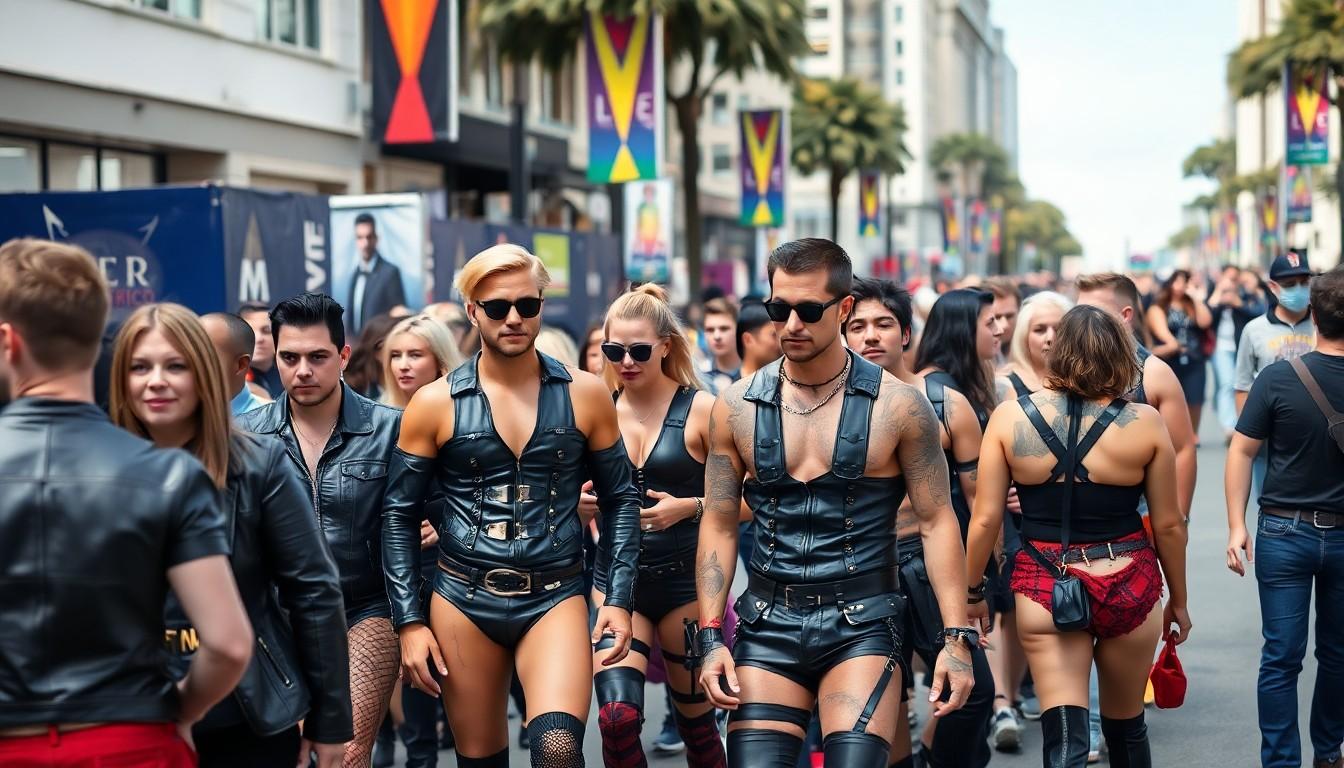
Visitors filled San Francisco’s SoMa district for Folsom Street Fair 2026, a long-running leather and fetish festival known for bold self-expression, playful spectacle and a strong sense of community. With event logistics, access details and street closures shaping the day, here’s what makes the fair matter beyond its eye-catching scenes.
Folsom Street Fair remains gloriously unapologetic
The biggest impression from Folsom Street Fair 2026 was its sheer energy. Under changeable September skies, tens of thousands of people gathered for a day where leather, latex, harnesses and creative performance were part of the visual landscape.
There was plenty of adult-themed display, but the atmosphere was broader than shock value. The fair’s real draw was its mix of freedom, humour and queer camaraderie, with spectators and participants sharing the streets in a mood that felt celebratory rather than purely provocative.
From protest to cultural landmark
Folsom Street Fair began as a deliberately confrontational response to San Francisco’s changing social and economic landscape. Decades later, it has become one of the city’s most recognisable annual events, even as its original rebellious edge continues to matter.
The official event information presents the fair as a community-led celebration supporting LGBTQ+ causes and related organisations. That charitable role gives the spectacle some useful context: this isn’t simply a flamboyant street party, but an event with an established civic and fundraising dimension.
What visitors can expect on the day
The fair brings together exhibitors, community groups, food vendors and performers across the SoMa area. Expect a dense, walkable crowd, loud music, eye-catching outfits and a friendly atmosphere that can shift quickly from theatrical to genuinely moving.
Visitors should also remember that this is an adults-only event. Comfortable shoes, water and a flexible plan are sensible choices, particularly when moving between busy areas or waiting at entrances. If you’re photographing people, ask first; consent is part of the etiquette, not an optional extra.
Getting around San Francisco during the fair
Street closures and transport changes can make driving to the event more trouble than it’s worth. San Francisco’s transport guidance typically directs visitors towards public transport, walking and alternative routes while the fair is in progress.
Check travel updates before setting out, particularly if you’re arriving from outside the city. The practical details may not be glamorous, but they can make the difference between starting the day excited and beginning it in a taxi queue with a dead phone.
Why the fair still feels important
San Francisco has changed dramatically, and long-standing residents often worry that its stranger, louder and more permissive traditions are being smoothed away. Folsom Street Fair pushes back against that beige version of the city, keeping space open for identities and desires that don’t fit neatly into polite public life.
That’s why the event’s continuing popularity matters. Beneath the leather and theatricality is a simple message: visibility can be joyful, communal and politically meaningful. For many attendees, that sense of belonging is likely to linger longer than any single costume or performance.
It’s a fair that proves San Francisco still knows how to make room for the wonderfully unexpected.
Source Reference Map
Story idea inspired by: [1]
Sources by paragraph: