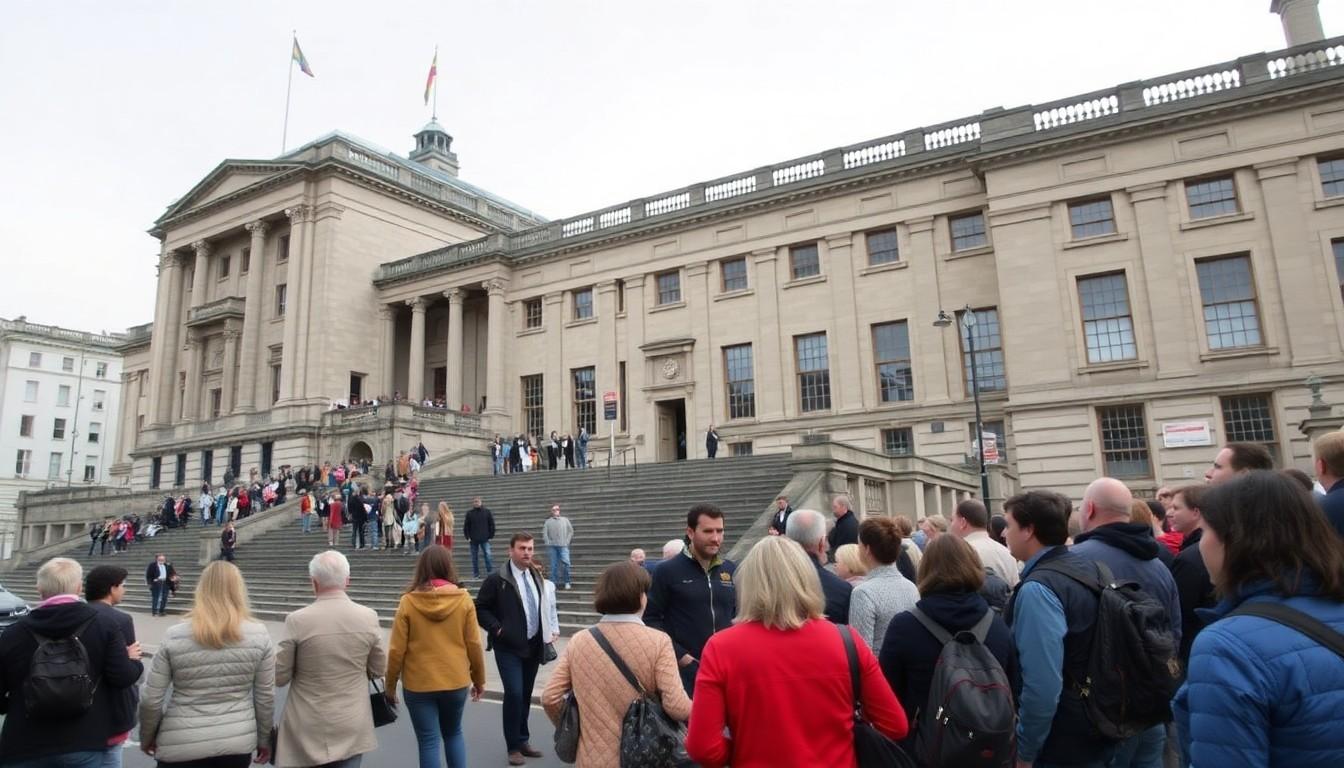
Campaigners gathered in Belfast to challenge conversion practices and demand equality, saying LGBTQI+ people deserve safety, dignity and the freedom to live openly. The demonstration has renewed attention on Northern Ireland’s stalled progress on LGBTQI+ protections, while supporters argue that public visibility still matters.
Protesters reject the idea of being “cured”
The central message was direct: LGBTQI+ people aren't ill, broken or in need of fixing. Campaigners used the rally to push back against conversion practices, which aim to change or suppress someone’s sexual orientation or gender identity. According to the Evening Standard, Rainbow Project representative Alexa Moore said the event was about affirming that people “don’t need to be cured”. [6]
That language matters because conversion practices can take many forms, from counselling and prayer to coercive or abusive interventions. The Rainbow Project, an LGBTQIA+ organisation working across Northern Ireland, provides support, advocacy and community-focused services for people who are too often left navigating hostility alone. [2]
Why Northern Ireland remains a focus for equality campaigners
Northern Ireland has made important changes, including the introduction of same-sex marriage, but campaigners say legal progress hasn't always been matched by consistent policy or strategy. Time reported that same-sex marriage became legal there in 2020, after years of political deadlock and campaigning. [7]
The Rainbow Project has warned that the absence of clear equality strategies represents a missed opportunity. Its criticism reflects a wider frustration: announcements can sound promising, but people need properly funded services, measurable commitments and policies that work in everyday life. [3]
Support groups say visibility still changes lives
For many attendees, a public gathering is about more than protest signs. It offers a visible reminder that LGBTQI+ people belong in Northern Ireland’s communities, workplaces, schools and families. That sense of solidarity can be especially important when political debates reduce personal lives to talking points.
The Rainbow Project’s work spans support, education and advocacy, helping people find practical assistance as well as community. Its public campaigning also keeps equality issues in view when other priorities threaten to push them down the agenda. [5]
Education is another key battleground
Schools sit at the heart of the debate because guidance shapes how young people are supported, protected and treated. The Rainbow Project has joined education unions, children’s rights groups and LGBTQIA+ organisations in calling for the reinstatement of trans guidance, arguing that pupils and staff need clear, inclusive support. [4]
For parents and teachers, the practical question is often simple: can a young person ask for help without fear of being dismissed or exposed? Clear guidance won't solve every problem, but it can give schools a firmer foundation and reduce the uncertainty that leaves vulnerable pupils carrying the burden themselves. [4]
What campaigners want next
The rally’s message now turns towards action. Campaigners are calling for stronger protection from conversion practices, renewed equality strategies and policies that recognise the experiences of LGBTQI+ people across Northern Ireland rather than treating inclusion as an occasional gesture. [3]
There is also a human point beneath the policy language. As Moore told the Evening Standard, people should be able to live, love and be themselves without being told they are wrong. That may sound like a basic demand, but for many LGBTQI+ people, it remains an unfinished one. [6]
It's a small sentence with a big implication: nobody should need permission to be themselves.
Source Reference Map
Story idea inspired by: [1]
Sources by paragraph: