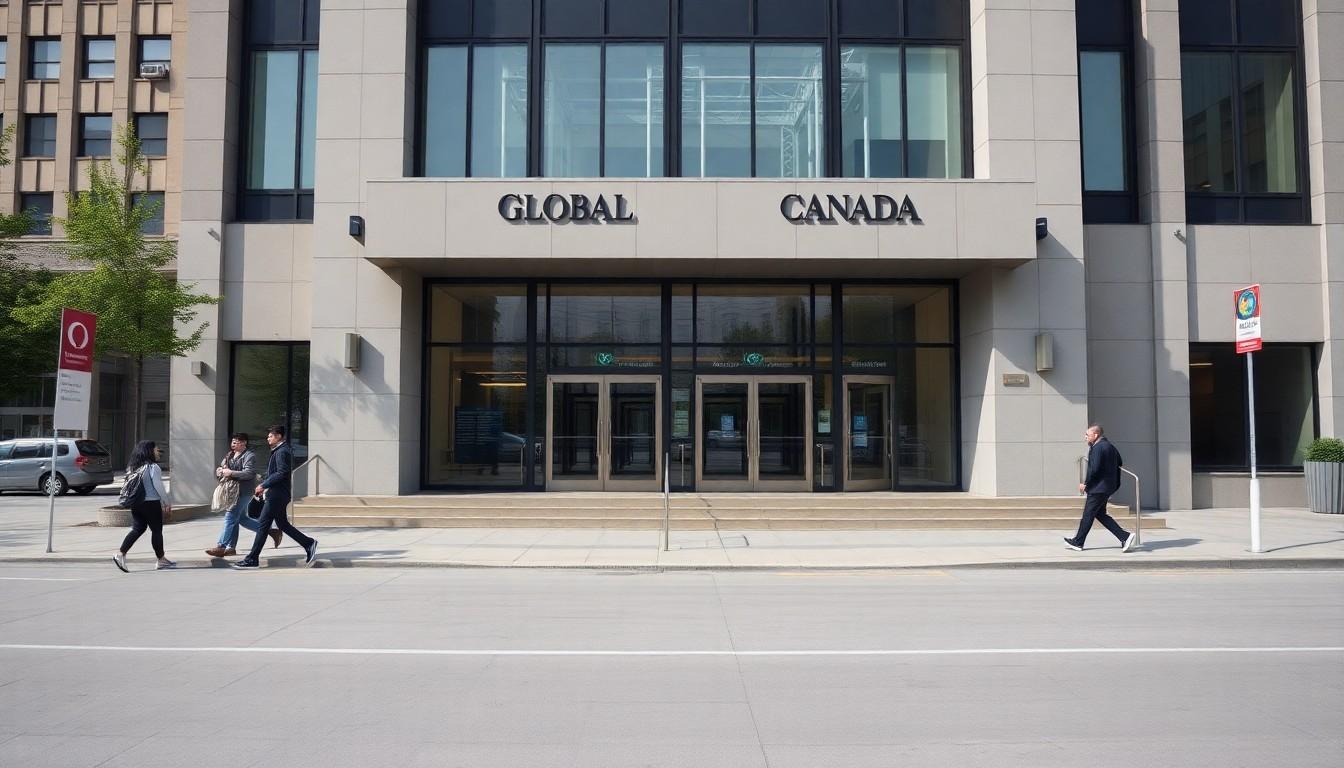
Ottawa says Canada remains committed to LGBTQ rights despite staying silent on a joint statement condemning Turkey’s crackdown. The government’s careful wording comes as trade talks with Ankara move forward, while Canadian advocacy groups urge stronger public pressure and Turkish partners ask allies to put human rights ahead of commercial diplomacy.
Essential Takeaways
- Ottawa’s position: Foreign Affairs Minister Anita Anand says Canada still supports LGBTQ2I+ rights, democracy and minorities.
- The criticism: Canada did not join a joint statement addressing Turkey’s treatment of LGBTQ rights defenders.
- Trade backdrop: Prime Minister Mark Carney has launched free-trade negotiations with Turkey.
- Advocacy groups’ message: The Dignity Network says Canada should raise the issue directly and consistently.
- Political support: Canada’s Parliamentary Pride Caucus has called for an end to persecution and the release of detainees.
Canada insists its LGBTQ rights policy has not changed
The central message from Ottawa is simple: silence on one international statement, the government says, shouldn’t be mistaken for a change in policy. According to CityNews, Anand told reporters that Canada’s support for the LGBTQ2I+ community remains firm, even though the country wasn’t among the signatories.
Her comments came after Global Affairs Canada responded to media questions with a broad statement supporting democracy and minorities, without specifically naming Turkey. That careful language has fuelled criticism, particularly because the issue involves people facing detention and prosecution for human-rights work.
Anand also avoided naming Turkey directly when answering questions. It’s a diplomatic distinction, but one that’s difficult to miss when activists are asking for public support.
Why Turkey has become a sensitive test
The dispute arrives at an awkward moment in Canada-Turkey relations. Carney announced the start of free-trade negotiations during a July visit to Ankara, while also indicating that his government would be more selective about publicly criticising human-rights records in countries including China and Saudi Arabia.
That creates a familiar foreign-policy tension. Governments want to protect economic relationships, but rights organisations argue that trade should not soften public opposition to repression. The Dignity Network’s work centres on supporting LGBTQ+ rights internationally, and its member organisations advocate for stronger pressure on governments that restrict civil society.
For observers, Turkey has become a test of whether Canada can pursue closer commercial ties while still speaking plainly about individual freedoms. The answer matters well beyond one joint statement.
Advocates want pressure behind closed doors and in public
The Dignity Network says Turkish partners want Canada to raise the issue through bilateral meetings, formal correspondence and international forums. Its position is that detention and prosecution of human-rights defenders for legitimate activity should be clearly condemned, not quietly folded into general language about democracy.
That approach reflects how international advocacy often works. A public statement can draw attention, while private diplomatic pressure may create room for negotiation. Campaigners are asking for both, rather than choosing one or the other.
The network’s wider membership model also highlights the importance of cooperation between Canadian organisations and partners abroad. For people working under pressure, a supportive message from a foreign government can be more than symbolism. It can signal that their cases are being watched.
The Parliamentary Pride Caucus adds a cross-party voice
Canada’s Parliamentary Pride Caucus has also spoken out, calling on Turkey to stop the persecution and release people detained for exercising freedom of speech. Its statement focused on a broad principle: LGBTQ+ people should be able to live openly, safely and with dignity.
Notably, the caucus did not issue demands aimed at the Carney government. That leaves Ottawa room to explain its own approach, but it also keeps attention on the gap between Canada’s stated values and its public diplomacy.
The caucus’ intervention shows that concern over the issue extends beyond one minister or one party. In practical terms, it gives advocates an additional platform as they press the government for a more direct response.
What Canada’s next move could signal
The immediate question is whether Ottawa will continue using general language or name Turkey directly in future statements. The government may argue that quiet diplomacy is more effective, especially while trade discussions are under way. Critics, meanwhile, will judge the policy by what Canada says publicly and whether that message reaches people facing pressure on the ground.
The Dignity Network’s approach suggests the debate is unlikely to disappear. Its members and partners are asking Canada to make human rights part of the wider conversation about political and economic relations, rather than treating them as a separate file.
For LGBTQ+ rights defenders in Turkey, the difference between support in principle and support that is publicly expressed can feel enormous. Canada’s next statement will show how much weight Ottawa is prepared to give that distinction.
Canada says its support remains clear, but advocates want to hear it said more plainly.
Source Reference Map
Story idea inspired by: [1]
Sources by paragraph: