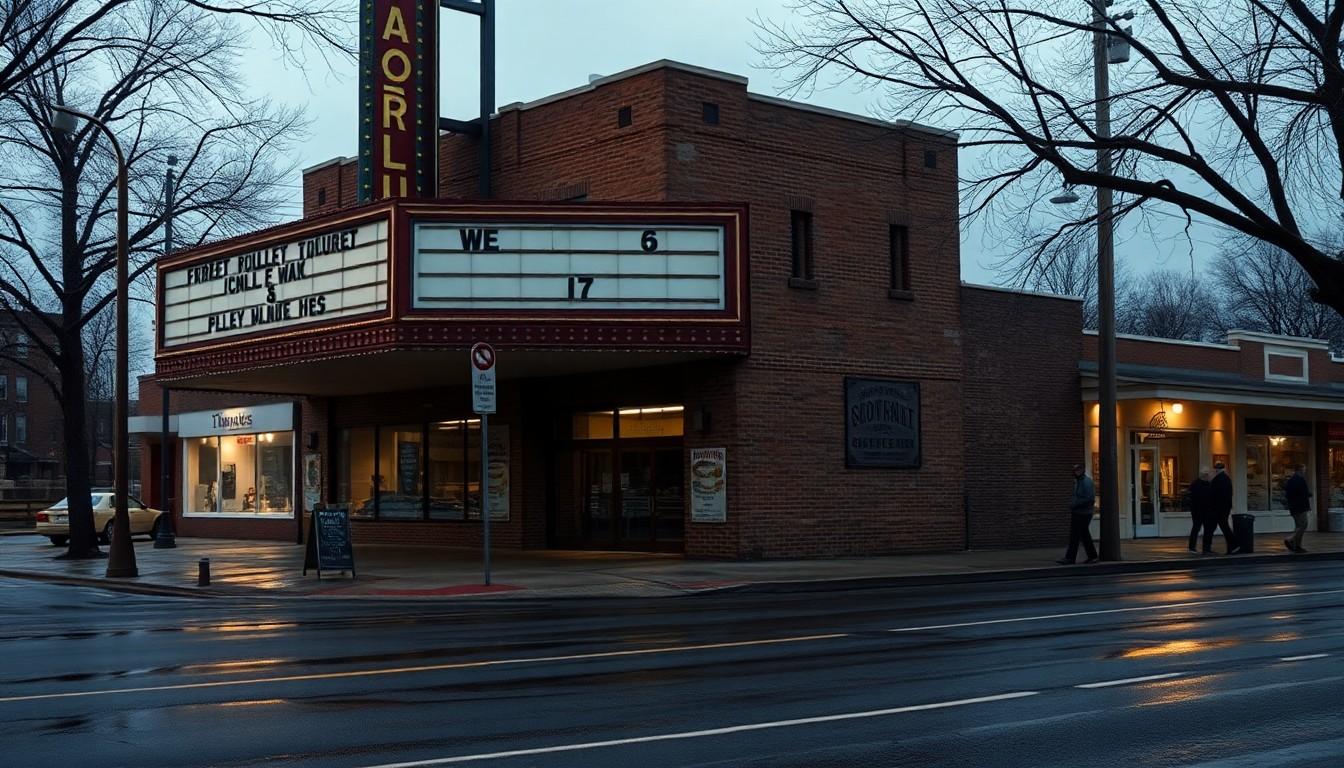
Viewers drawn to queer cinema, Southern gothic drama and simmering emotional tension are being invited back into a less familiar corner of film history. This week’s retrospective explores how heat, repression and desire collide on screen, while placing that tradition alongside better-known works by Tennessee Williams and other major Southern storytellers.
Essential Takeaways
- Southern gothic atmosphere: Heat, humidity and confined spaces often intensify characters’ hidden desires.
- Queer subtext matters: Many celebrated Southern dramas use coded relationships, rivalries and emotional intimacy.
- The tradition runs deep: Tennessee Williams, August Wilson and Lillian Hellman helped shape the genre’s familiar tensions.
- Lesser-known films deserve attention: Obscure adaptations can reveal how queer themes travelled beyond the canonical classics.
Why Southern heat remains such a powerful cinematic device
There’s a reason filmmakers keep returning to the Deep South when they want emotions to boil over. Thick air, faded rooms and long, uncomfortable silences create a physical sense of pressure, making every glance feel loaded and every family argument seem one step from collapse.
The appeal isn’t simply visual. Southern gothic stories often place characters in worlds where reputation matters enormously, but private longing has nowhere safe to go. That collision gives queer themes particular force, whether they’re spoken openly or suggested through rivalry, devotion and carefully managed distance.
The queer tradition behind the drama
Tennessee Williams remains the obvious reference point, with plays such as A Streetcar Named Desire and Cat on a Hot Tin Roof turning desire, shame and emotional dependency into high drama. His characters rarely enjoy the luxury of saying exactly what they mean, which makes the subtext as important as the dialogue.
August Wilson and Lillian Hellman brought different textures to the tradition, but their work also explored damaged families, social constraint and people struggling against the roles imposed on them. Together, these writers helped establish the familiar Southern screen language of beautiful decay and feelings that refuse to stay buried.
What makes a lesser-known adaptation worth watching?
A film outside the usual canon can feel rougher around the edges, but that’s often part of its charm. Instead of offering neatly resolved representation, it may present queer identity through mood, contradiction and the uneasy behaviour of people who don’t quite understand themselves.
That ambiguity can be frustrating, particularly for modern viewers accustomed to more direct storytelling. Yet it also offers a useful glimpse into how queer cinema worked when explicit representation was limited. The pauses, coded exchanges and charged silences become clues, and watching them accumulate can be strangely compelling.
How to read queer subtext without overexplaining it
The best approach is to watch for patterns rather than hunting for one definitive revelation. Notice who watches whom, which relationships receive unusual emotional intensity, and whether a character’s anger seems to conceal fear or attraction.
It’s also worth paying attention to setting. A crowded family home, a stifling bedroom or an isolated Southern town can all function as emotional traps. In these stories, the landscape isn’t just background scenery. It often reflects the characters’ sense of being watched, contained or unable to leave.
Why this tradition still resonates
Modern audiences may recognise the codes more quickly than earlier viewers, but the underlying feelings remain immediate. The fear of disappointing family, the exhaustion of performing a socially acceptable identity and the longing to be understood don’t belong to one era.
That’s why revisiting overlooked queer films can be rewarding, even when the storytelling is melodramatic. Beneath the sweat, secrets and theatrical confrontations is a simple human question: what happens when a person can no longer keep their true self hidden?
Small films can cast surprisingly long shadows, especially when they expose the desires polite society tries hardest to conceal.
Source Reference Map
Story idea inspired by: [1]
Sources by paragraph: