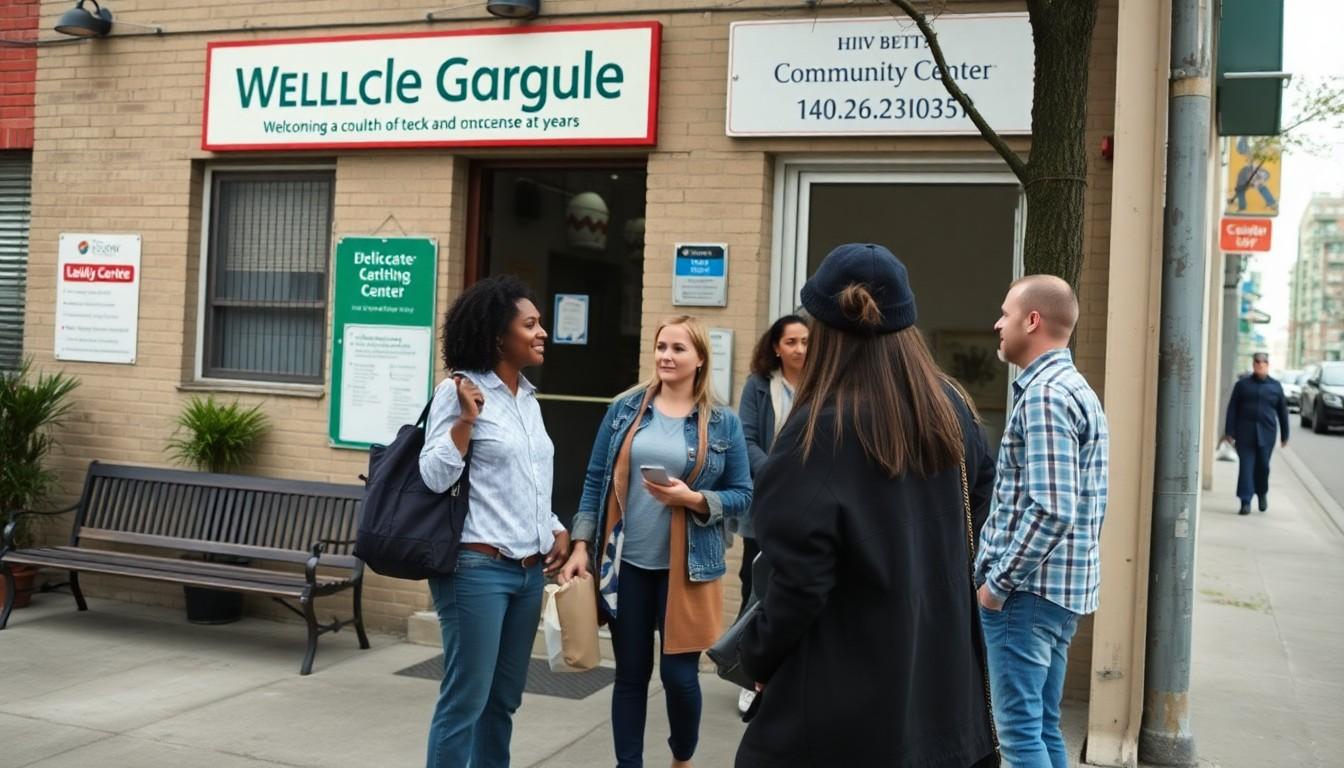
People are rethinking where HIV conversations happen, from clinics to brunches, ballrooms and online spaces. Deondre B. Moore of The Freelux Project is helping build trusted routes into testing, prevention and treatment for Black queer and bisexual men, while challenging stigma with a message that is both simple and powerful: HIV status never defines a person’s worth.
Essential Takeaways
- Trust comes first: People are more likely to engage with care when it arrives through familiar, affirming spaces.
- U=U still needs explaining: Undetectable HIV cannot be sexually transmitted, yet public understanding remains uneven.
- Community is healthcare: Trusted leaders can connect people with testing, PrEP, treatment and wider support.
- Stigma takes many forms: It can appear in families, dating, healthcare, faith communities and casual language.
- Representation matters: Black gay and bisexual men need meaningful roles in shaping the services designed for them.
A trusted bridge can change everything
The most important part of an HIV service might not be the waiting room. It could be the person introducing it, the setting where the conversation begins, or the feeling that nobody is judging you.
That idea sits at the heart of Moore’s work as Vice President of Community Impact at The Freelux Project. Rather than expecting Black queer and bisexual men to walk into traditional health settings, the organisation creates more culturally responsive routes towards support, including conversations around HIV, sexual health, mental wellbeing and relationships.
The difference can be surprisingly practical. A relaxed community event, a familiar social setting or a trusted online voice may make it easier for someone to ask about testing or prevention. From there, the aim is to build a safe, reliable link to clinical care, rather than treating community engagement as a one-off promotional exercise.
HIV knowledge still isn't reaching everyone
Modern HIV treatment and prevention have transformed what an HIV diagnosis can mean. Yet research linked to GLAAD’s State of HIV Stigma work suggests that knowledge has not kept pace with medical progress, with many people still uncertain about U=U and younger adults reporting limited confidence in their understanding of HIV.
That gap matters because confusion can feed fear, and fear can deepen medical mistrust. Moore argues that healthcare professionals need to communicate these facts more consistently, while trusted community influencers can help carry the message into places formal health campaigns often miss.
U=U is especially important here. When a person living with HIV is on effective treatment and has an undetectable viral load, they cannot sexually transmit HIV. It is a scientific fact, but it is also a deeply human message about intimacy, dignity and the possibility of a full life.
Stigma is bigger than one awkward conversation
Moore’s own HIV diagnosis, at 19, shaped his understanding of how quickly a health condition can overshadow a young person’s sense of self. Support from his family, particularly his mother, helped remind him that he remained the same person, with the same right to love, ambition, joy and connection.
That perspective is crucial because stigma rarely appears in just one obvious form. It can surface in a family reaction, a dating rejection, a careless joke, a healthcare interaction or the assumptions people make about someone taking PrEP or living with HIV.
The answer isn't simply telling people not to feel ashamed. Communities also need to create conditions where disclosure doesn't automatically feel dangerous. That means pairing accurate education with empathy, better representation and ordinary conversations that show people living with HIV as whole human beings, not medical labels.
Access means more than having a clinic nearby
Black gay and bisexual men continue to experience disproportionate effects of HIV, even as diagnoses fall. AIDSVu data cited in the interview showed a sharper reduction among white men who have sex with men than among Black men who have sex with men, highlighting the gap between available tools and genuine access.
Testing, PrEP and treatment can only make a difference when people can reach them, trust them and see themselves reflected in the services. Cost, transport, inconvenient opening hours, discrimination and concerns about confidentiality can all turn a supposedly available service into a difficult one to use.
That is why community-based HIV support increasingly reaches beyond clinics. Telehealth, nightlife, barbershops, churches, ballroom communities, Pride events and social media can all become entry points, provided they lead to dependable care rather than stopping at awareness.
The next step is investment, not just outreach
There is a meaningful distinction between asking how to reach a community and asking how to invest in it. The latter gives Black gay and bisexual men a stronger role as decision-makers, educators, navigators and leaders, rather than positioning them only as patients or campaign audiences.
The Freelux Project’s model reflects that shift, using welcoming spaces to open conversations and then connect people with practical services. It recognises that community isn't an optional extra attached to healthcare; it can be part of the infrastructure that makes healthcare work.
Moore’s message for National Gay Men’s HIV/AIDS Awareness Day is ultimately straightforward. Everyone deserves to feel seen, valued and free to experience love and fulfilment, whatever their HIV status. That is a hopeful ambition, but it also comes with a clear demand for better information, kinder systems and more trust.
It's a small sentence with a wide reach: HIV status is part of someone's life, not the whole of who they are.
Source Reference Map
Story idea inspired by: [1]
Sources by paragraph: