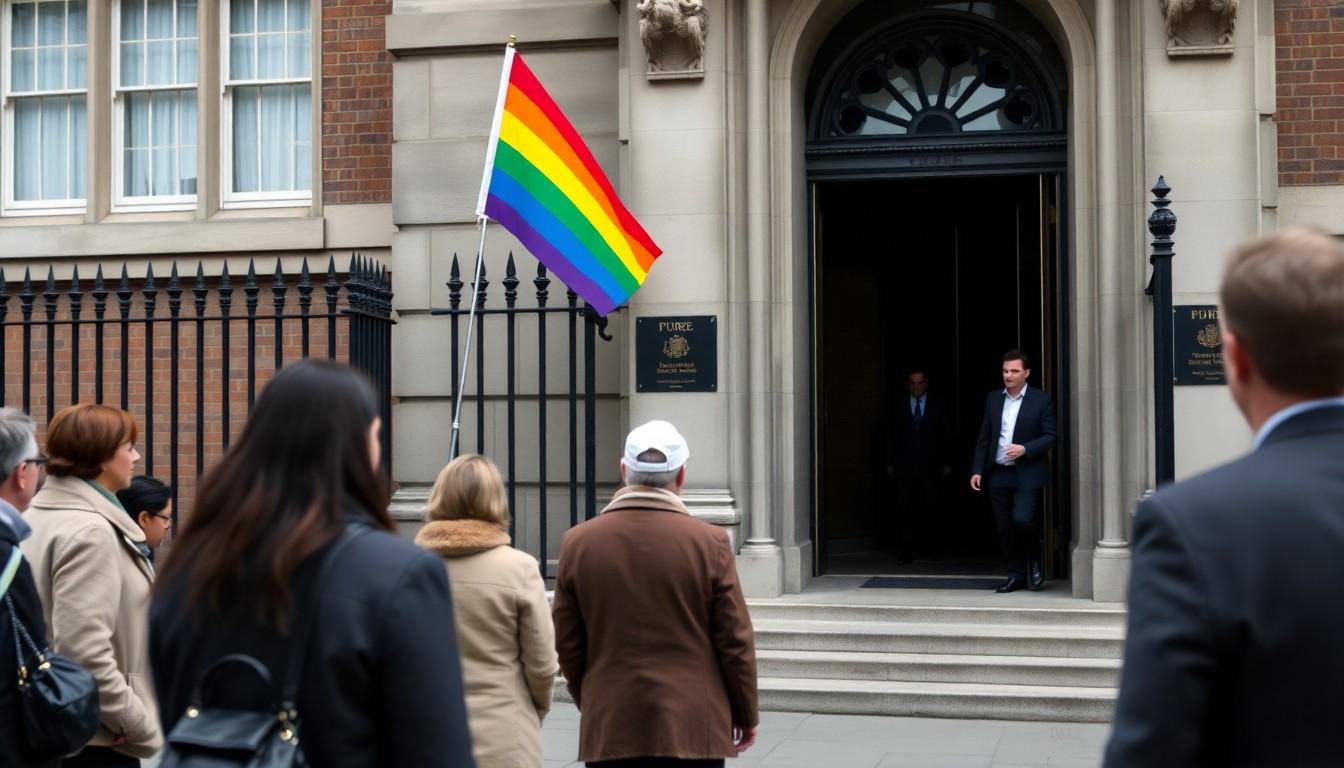
The UK Government's draft conversion practices bill has prompted a heated debate about consent, safeguarding and gender identity. Here’s what the short proposal says, why campaigners support or oppose it, and what still needs clarifying before it could become law.
Essential Takeaways
- The bill is still a draft: It isn't legislation yet, and further parliamentary scrutiny would be needed.
- It covers more than sexual orientation: The proposal also addresses practices linked to gender identity.
- Intent matters: The central question is whether behaviour is coercive, abusive or genuinely harmful.
- Safeguards are crucial: Religious speech, counselling and private conversations would need clear protection.
- The wider debate is unsettled: Northern Ireland has pursued its own approach to criminalising conversion practices.
What the draft bill is designed to do
The proposed conversion practices bill aims to criminalise attempts to change or suppress a person's sexual orientation or gender identity through coercive or abusive conduct. The Government's published draft sets out definitions and offences, but it isn't yet a finished law. According to the official explanatory material, the proposal is intended to target harmful practices rather than ordinary discussion, support or disagreement. [2]
That distinction sounds straightforward, but the detail matters. A law that reaches into counselling, pastoral care or family conversations would need carefully drawn boundaries, particularly where people are vulnerable or where views differ sharply. The Government's wider equality programme has also focused on removing barriers and improving protections, adding to the political context around the proposal. [6]
Why gender identity has become the flashpoint
Earlier debates about conversion therapy largely centred on attempts to change someone's sexual orientation. The new proposal also includes gender identity, which is why the argument has become considerably more politically charged.
Supporters say trans people deserve protection from intimidation, manipulation and degrading treatment. Critics worry that unclear wording could blur the line between abusive intervention and lawful questioning, advice or therapeutic support. That tension isn't a technical footnote; it's the heart of the debate.
The issue also sits alongside a broader Government focus on sex equality and workplace protections. Its gender pay gap and menopause action plans, for example, show how ministers are presenting equality policy as a practical issue affecting women's working lives. [7]
What counts as a conversion practice?
The phrase can sound broader than it is. In practical terms, the important questions are likely to include what was done, whether pressure or coercion was involved, the person's circumstances, and whether the conduct caused serious harm.
The draft legislation is only six clauses long, but brevity doesn't necessarily mean simplicity. Definitions would have to work across very different settings, from organised abuse to one-to-one conversations. The Northern Ireland Assembly's work on a separate Conversion Practices Criminalisation Bill illustrates how devolved lawmakers are also grappling with the same difficult balance. [3]
For anyone trying to understand the proposal, the safest approach is to look for the actual wording rather than rely on campaign slogans. Terms such as consent, suppression, harm and intent could determine how the law operates in real cases.
How would it fit with existing protections?
The Equality Act 2010 already provides protections against discrimination linked to characteristics including sexual orientation and sex. A new criminal offence would therefore sit alongside existing civil law, potentially giving police and prosecutors powers in situations that currently fall outside the criminal framework.
That overlap makes precision even more important. New legislation should close genuine gaps without creating confusion about which disputes belong in criminal courts and which are better handled through employment, education or equality law. Government policy in other areas, including its approach to academy trust inspections, shows how much implementation detail can shape the effect of a headline reform. [5]
There is also a wider lesson from historic policy failures. The Government's apology over forced adoption practices demonstrates why safeguards, accountability and institutional humility matter when the state intervenes in sensitive family and personal decisions. [4]
What happens next?
A draft bill is a starting point, not a settled outcome. It would need consultation, debate and amendment before ministers could introduce a final version, and MPs would then have the opportunity to scrutinise its wording in detail.
The strongest eventual law would protect people from coercion while preserving legitimate conversation, professional care and religious freedom. That may satisfy neither side of the culture-war argument completely, but it would be a more useful test than political applause.
The debate is likely to continue, especially over gender identity and the boundaries of lawful advice. For now, the key question is less whether harm should be prohibited and more how Parliament can define that harm clearly enough to protect everyone.
A careful law could protect vulnerable people without turning ordinary disagreement into a criminal matter.
Source Reference Map
Story idea inspired by: [1]
Sources by paragraph: