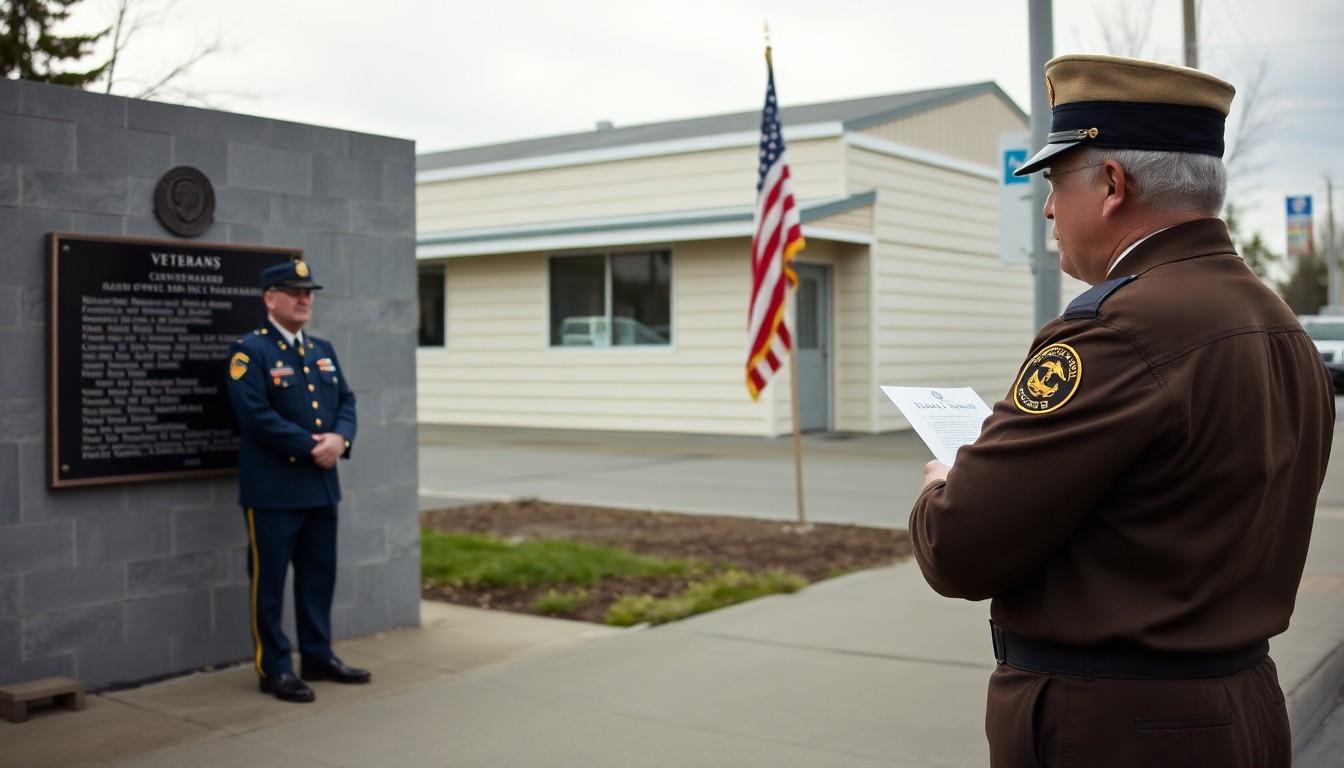
Fifteen years after Don’t Ask, Don’t Tell ended, LGBTQ+ veterans are gaining more than the right to serve openly. Across America, former service members are seeking corrected records, fairer benefits and public recognition, reminding communities that military service and identity should never have been treated as competing choices.
Essential Takeaways
- A historic repeal: Don’t Ask, Don’t Tell officially ended on 20 September 2011, allowing gay, lesbian and bisexual service members to serve openly.
- A lasting cost: Thousands were discharged under the policy, with consequences that could follow them into civilian life.
- Records can change: Some veterans can seek upgrades to discharge status and corrections to military records.
- Benefits still matter: Campaigners continue pushing for fair access to healthcare, housing and other veterans’ support.
- Recognition is growing: Communities and lawmakers are increasingly acknowledging LGBTQ+ veterans as part of military history.
The uniform no longer requires silence
The most important legacy of Don’t Ask, Don’t Tell is also the simplest: LGBTQ+ service members no longer had to conceal their identity as a condition of serving openly.
The policy, introduced in 1993, was presented as a compromise. In practice, it left people navigating a tense contradiction. They could be trusted with deployment, danger and responsibility, yet still be expected to keep their relationships and sexuality out of sight. History.com describes the arrangement as an uneasy middle ground rather than a genuine resolution. [7]
That silence came with a real human cost. According to PBS NewsHour, more than 13,000 service members were discharged under the policy before its repeal, while the wider impact reached families, careers and access to military benefits. [6] For many veterans, the end of DADT wasn't simply a change in regulations. It was the moment their private life stopped being treated as a security problem.
Fifteen years later, the paperwork still tells a story
Ending the policy didn't automatically erase its consequences. A discharge linked to sexual orientation could affect employment, healthcare, education and veterans’ benefits long after someone had left the armed forces.
The American Legion has highlighted efforts to help veterans discharged under DADT seek upgrades and regain recognition for their service. [3] The process can involve reviewing military records and establishing whether the discharge was connected to the former policy, so anyone considering an application should check the current requirements carefully.
Legal organisations have also worked on discharge upgrades for LGBTQ+ veterans. Impact Fund notes that correcting a record can be significant both practically and emotionally, especially when an old classification continues to shape how a veteran is treated. [4] A document may look dry, but it can carry decades of shame, lost opportunity or unfinished business.
Benefits are part of the unfinished conversation
Recognition is meaningful, but it doesn't pay the rent or replace healthcare. That's why lawmakers have continued proposing measures aimed at addressing the damage caused by DADT and ensuring affected veterans aren't left outside the support system they helped defend.
A bill reintroduced by Representatives Chris Pappas, Sharice Davids and Andy Levin sought to protect VA benefits for LGBTQ+ veterans discharged under the policy. [2] The proposal reflects a broader point: service members shouldn't lose access to earned support because a discriminatory rule once forced them out.
The Department of Defense maintains resources on DADT, including information about the policy's history and its repeal. [5] Veterans looking for help should also consider speaking with an accredited veterans’ service officer or a specialist legal organisation before submitting paperwork. Advice is especially useful where records are incomplete or the original discharge reason is unclear.
Recognition changes the conversation
There’s a difference between being legally allowed to serve and being fully recognised as part of military history. For years, LGBTQ+ veterans were often expected to discuss their service while editing out the personal truth surrounding it.
That is beginning to shift. PBS NewsHour’s reporting on the policy’s aftermath shows how repeal changed the public conversation, while veterans’ organisations have continued drawing attention to those who were discharged under DADT. [6] Public recognition matters because it gives families and younger service members a fuller account of who served and what they endured.
It also makes the subject less abstract. The debate isn't only about a past policy or a line in a record. It's about the veteran who lost a career, the partner who couldn't be acknowledged and the older service member still trying to have their contribution treated fairly. That feels like overdue history, not special treatment.
What veterans can do now
Veterans affected by DADT may wish to gather discharge papers, personnel records and any documents showing the reason for separation. The American Legion recommends seeking help with the review process, particularly where an upgrade could affect benefits or access to services. [3]
Legal guidance can be valuable too. Impact Fund’s work on LGBTQ+ veteran discharge upgrades underlines the importance of specialist support when a case involves discrimination or a complicated service record. [4] The Department of Defense’s online resources provide further historical and administrative context. [5]
The wider lesson is quietly powerful. Repeal opened the door to honest service, but fairness also means looking back at those who were pushed through it. For LGBTQ+ veterans, the goal isn't only to be remembered. It's to have their service recognised without an asterisk.
The uniform no longer comes with a silence clause, but the work of repairing the record continues.
Source Reference Map
Story idea inspired by: [1]
Sources by paragraph: