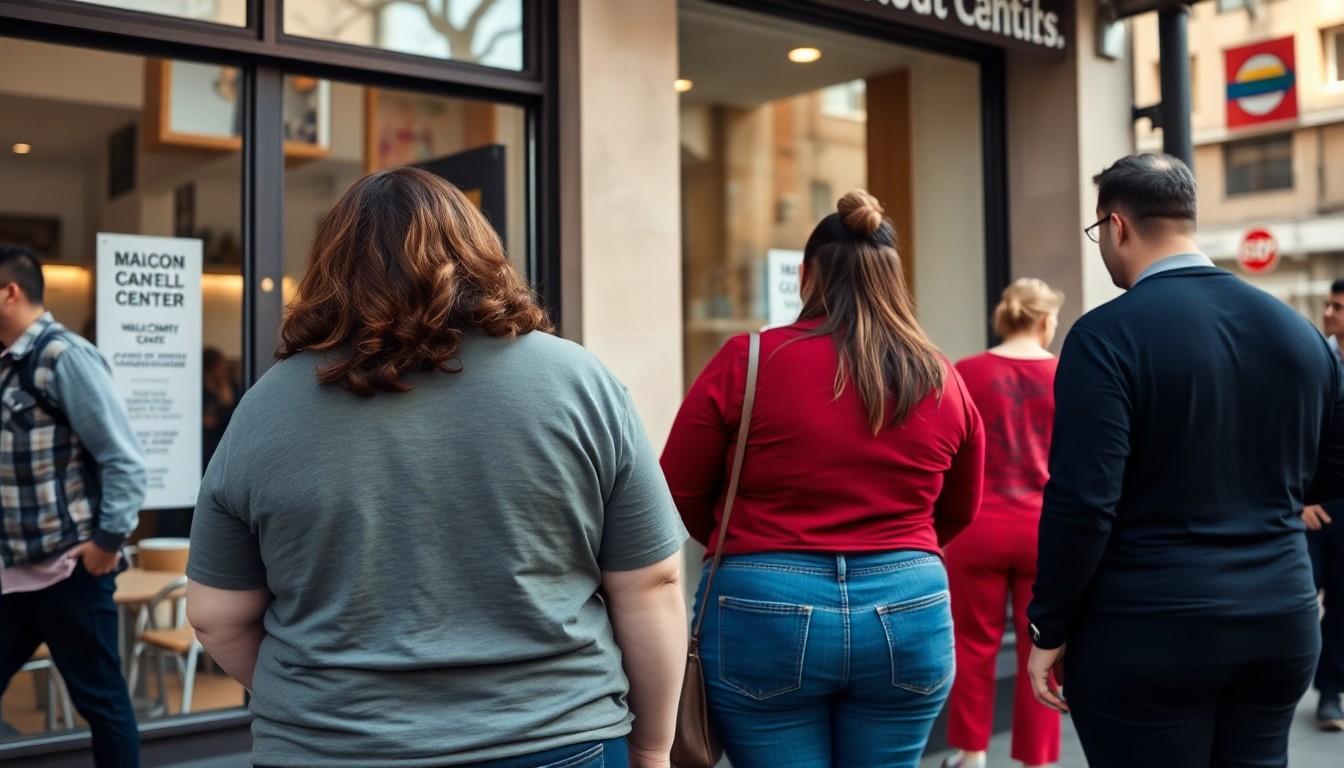
Growing up gay can be complicated enough without wondering whether your own type fits the picture. For men drawn to bigger, hairier and older bodies, bear culture has offered visibility, friendship and a sense of belonging, both online and in queer communities across the UK and beyond.
When coming out doesn't feel like the whole story
For some gay men, the first revelation is simply being attracted to men. The second is realising that the men they desire don't resemble the polished, youthful bodies often placed at the centre of mainstream gay imagery.
That disconnect can feel strangely isolating. A teenager may know exactly what he likes, yet lack the vocabulary to describe it, or any visible community that makes those preferences feel ordinary. The bear label helped change that by giving a name to a broad body-positive culture rather than a narrowly defined look.
According to Wikipedia's overview of gay bear culture, the term generally refers to gay or bisexual men associated with larger, hairier and often more traditionally rugged appearances. It isn't a strict checklist, though, and the community has always been more varied than the stereotype suggests.
Bear culture offers more than a body type
The appeal isn't only physical. Bear communities are often built around social connection, humour, mutual recognition and the simple relief of not having to explain yourself every time you walk into a room.
BearWWW describes bear culture as a community shaped by shared identity and social spaces, while Prague Bears presents it as an inclusive network that can include bears, admirers, cubs and other friends. That flexibility matters because the label isn't a uniform or exclusive category. It can be an identity, an attraction, a social home, or sometimes just a useful signpost.
There can be something quietly powerful about seeing a body that was once treated as invisible being celebrated instead. The message is not that one shape is better than another, but that desire and confidence don't have to follow the narrowest version of gay beauty.
Why representation can affect wellbeing
Visibility isn't a magic cure for insecurity, but it can make a meaningful difference. Research indexed by PubMed and discussed through studies available on PubMed Central has linked LGBTQ+ wellbeing with social support, belonging and reduced minority stress.
That context helps explain why representation matters beyond dating preferences. If someone repeatedly sees people like themselves mocked, ignored or framed as undesirable, it can shape how they understand their own body. Conversely, finding affirming peers may offer a much-needed counterweight.
Bear culture doesn't erase discrimination within or beyond the wider LGBTQ+ community. It does, however, create spaces where men who may feel overlooked elsewhere can be recognised on their own terms. Sometimes that starts with something as simple as a photograph, a club night or a friendly conversation online.
The label is broad, and that's a good thing
A common mistake is treating "bear" as a fixed uniform: large, hairy and older, with no room for variation. In reality, community definitions often include a wider range of bodies and identities, from cubs and otters to admirers and men who simply feel connected to the scene.
BearWWW's explanations underline that the culture has developed its own vocabulary, while Prague Bears describes a community that welcomes different roles and appearances. Those distinctions can be useful, but they shouldn't become another set of rules people feel pressured to pass.
If you're exploring gay bear culture, start with curiosity rather than a measuring tape. Look for groups, events or online spaces that make room for different ages, sizes, ethnicities, abilities and gender expressions. A healthy community should leave you feeling more comfortable, not as though you've arrived for an audition.
Finding community without losing yourself
Online spaces have made it easier to find language and connection, particularly for people living far from large LGBTQ+ centres. They can also help newcomers discover local events, social groups and friendships before taking the leap into an unfamiliar room.
Still, digital visibility has its own limits. Profiles and photographs can turn any identity into a performance, and even communities built around body acceptance can reproduce familiar hierarchies. The most useful spaces tend to be those where conversation, consent and kindness matter as much as appearance.
For anyone who once felt impossibly rare, finding a community can be a surprisingly emotional experience. It doesn't change who you are. It simply makes it easier to see that you were never as alone as you thought.
Explore communities that make room for the whole person, not just the label.
Source Reference Map
Story idea inspired by: [1]
Sources by paragraph:
- Paragraph 1: [2]), [3]
- Paragraph 2: [2]), [7]
- Paragraph 3: [3], [4]
- Paragraph 4: [5], [6]
- Paragraph 5: [5], [6]
- Paragraph 6: [3], [7]
- Paragraph 7: [2]), [3]
- Paragraph 8: [4], [7]
- Paragraph 9: [3], [4]
- Paragraph 10: [5], [6]
- Paragraph 11: [3], [4]
- Paragraph 12: [2]), [7]
- Paragraph 13: [3], [4]
- Paragraph 14: [5], [6]
- Paragraph 15: [2]), [3]
- Paragraph 16: [4], [7]