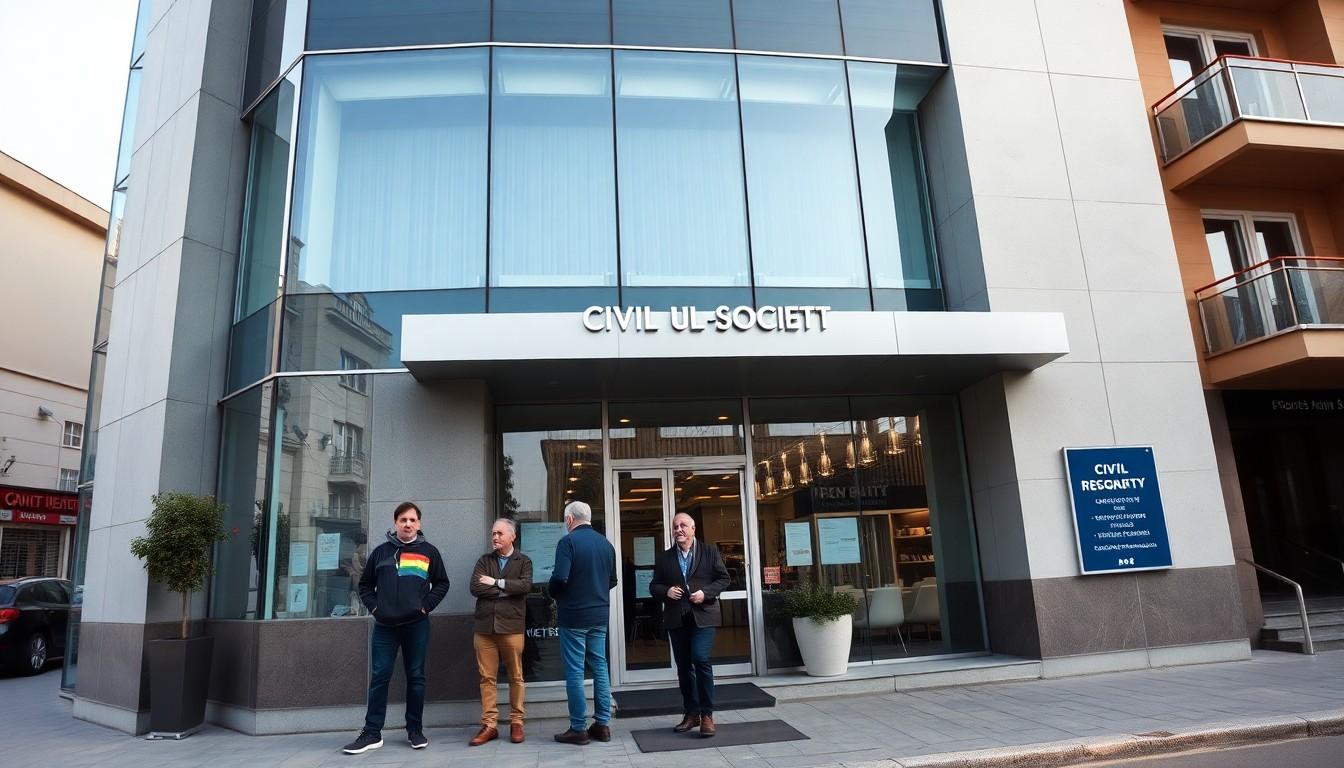
Turkish authorities have launched a reported crackdown on LGBTQ and HIV support groups, intensifying fears among activists and public-health organisations. The campaign matters beyond Turkey's borders because it could disrupt discreet, trusted services for people seeking advice, testing and protection in an already hostile climate.
Essential Takeaways
- Groups under pressure: LGBTQ and HIV-support organisations are reportedly facing official scrutiny and disruption.
- Health risks: Closing trusted services can make testing, treatment guidance and prevention harder to access.
- Activists concerned: Advocacy networks fear the measures may silence community voices as well as restrict practical support.
- Wider impact: The developments have prompted international attention over civil liberties and public health.
- A fragile safety net: Community groups often provide discreet help to people who may avoid formal institutions.
A crackdown with consequences beyond politics
The reported campaign is not simply a dispute over permits or paperwork. For many LGBTQ people and those living with HIV, support groups can be the first place to find reliable information, confidential guidance and a sympathetic ear. Remove that quiet safety net and the consequences can be immediate, from missed testing to greater isolation.
Reports from the Los Angeles Times and the Washington Post describe Turkish authorities targeting organisations connected with LGBTQ rights and HIV support. The details vary by group, but the broad concern is clear: pressure on civil-society organisations can quickly become a health issue, not just a political one.
Why HIV support services matter
HIV organisations often do work that is practical rather than headline-grabbing. They help people understand testing, treatment and prevention, while also challenging the shame that can stop someone from seeking care. Their staff and volunteers may be trusted precisely because they offer privacy and community understanding.
The Philadelphia Inquirer reported that the affected groups are part of a wider support network serving people who can face discrimination in mainstream settings. That makes disruption especially troubling. If people worry that asking for help could expose them to official attention or social hostility, they may simply stay away.
LGBTQ groups face a familiar pattern of pressure
Turkey has seen growing restrictions and hostile rhetoric directed at LGBTQ people in recent years, according to coverage from the Houston Chronicle and Business Day. Organisations working in this area can find themselves navigating legal uncertainty, public criticism and administrative barriers all at once.
The result is a chilling effect. Even when a group isn't formally closed, inspections, threats or the risk of prosecution can make fundraising, volunteering and public outreach far more difficult. It also leaves individuals wondering whether a leaflet, helpline or meeting place is still safe to use.
The public-health fallout could be lasting
Public-health experts have long warned that stigma makes prevention and treatment harder. When community-based services disappear, people may delay testing, avoid clinics or struggle to remain engaged with care. That's particularly serious for groups already facing discrimination or limited access to healthcare.
Reuters-style international coverage carried by Business Day highlighted the concern that government action could undermine essential HIV services. The point is easy to miss amid the political headlines, but public health depends on trust. A service that feels confidential and welcoming can reach people whom official institutions may not.
What happens next?
International scrutiny is likely to grow as rights groups, health organisations and foreign governments assess the reported measures. The Washington Post and other outlets have framed the developments as part of a broader debate over Turkey's treatment of civil society and minority communities.
For those affected, the immediate priority will be preserving access to information and care. Human-rights groups may seek legal challenges or alternative support channels, while activists will continue trying to document what happens. Behind every organisation name, though, are people looking for somewhere safe to ask a question, book a test or feel less alone.
Protecting community support protects public health, too.
Source Reference Map
Story idea inspired by: [1]
Sources by paragraph: